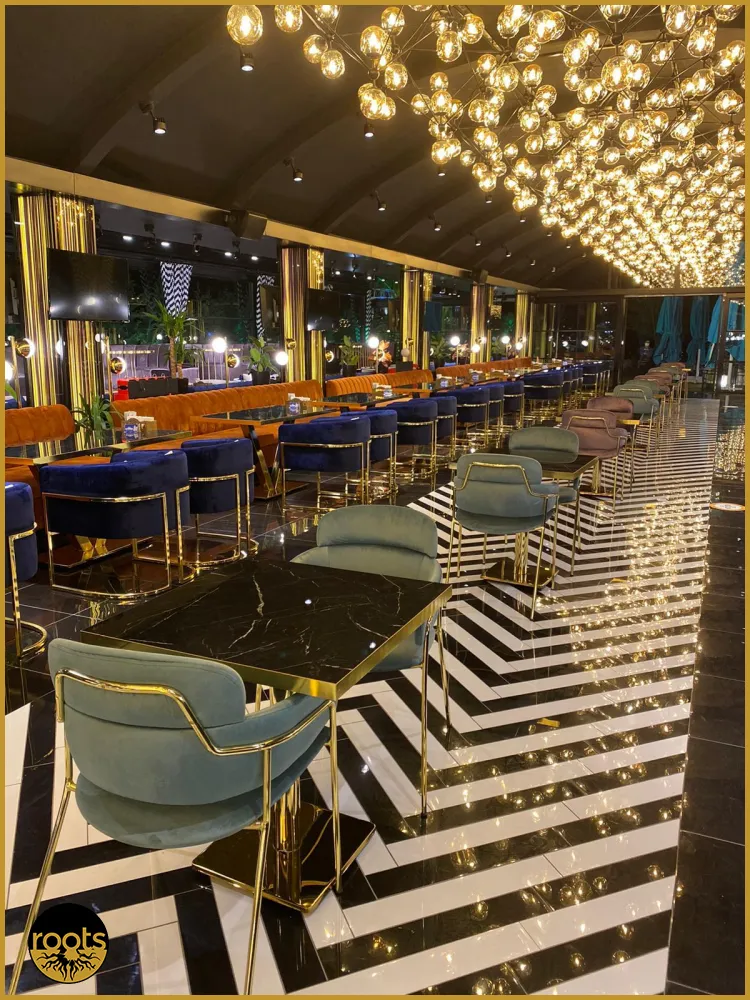
The Role of Architectural Restaurant Design in Business Success
A restaurant's success is directly related not only to the quality of the menu offered but also to the atmosphere guests feel in that space. Architectural restaurant design, beyond aesthetic expectations, is a professional engineering and art discipline that optimizes operational efficiency and customer satisfaction. A correct interior layout transforms the brand's identity into a physical space, helping to build a loyal customer base.
Interior designs cover a wide range, from a venue's acoustics to its lighting angle, from the distance between the kitchen and the service area to furniture ergonomics. This process is the most powerful silent communication tool that gives the business's target audience the message "you can spend quality time here."
The Balance of Functionality and Aesthetics in Restaurant Interior Design
The most common mistake encountered in restaurant projects is focusing only on visuals while ignoring functionality. However, a successful design must have a layout that does not restrict the movement area of the service staff and where guests feel comfortable.
- Ergonomics: Every detail, from chair heights to table widths, must support comfort during long seating periods.
- Traffic Flow: The lines between the kitchen exit, the payment point and restroom access must not overlap, preventing chaos during busy hours.
- Acoustic Planning: Sound reflections in the venue must be balanced with insulation materials in a way that does not make it difficult for customers to hear each other.
Material Selection and Durability Criteria
Restaurants are the commercial areas with the highest human traffic. For this reason, the materials to be selected are expected to both create an aesthetic language and demonstrate high strength. The following table presents a comparison of the material types frequently preferred in architectural processes:
| Material Type | Area of Use | Durability Level | Cost Axis |
|---|---|---|---|
| Natural Stone (Marble/Granite) | Countertops, Floor Covering | Very High (Medium stain resistance) | High |
| Solid Wood | Tables, Wall Panels | Medium (Requires maintenance) | Medium - High |
| Industrial Epoxy | Floor, Kitchen Areas | Very High (Hygienic) | Economical |
| Metal and Alloys | Lighting, Decorative Details | High | Medium |
Critical Points to Consider in the Design Process
As an investor or business owner, considering the following criteria before receiving a professional design service will facilitate your decision-making process:
- Lighting Strategy: Maximizing the use of daylight and establishing a warm/cold light balance in the evening hours determine the appearance of the food and the energy of the venue.
- Kitchen and Dining Area Balance: How much of the total square meters will be allocated to the kitchen and how much to the customer area is directly linked to the menu content and service speed.
- Ventilation and Air Conditioning: Preventing kitchen odors from seeping into the dining area is of vital importance for the prestige of the venue. An invisible but effective HVAC system must be planned.
- Compatibility with Brand Identity: The design language between a modern Fine-Dining restaurant and a Fast-Casual venue offering quick service must be completely different.
Frequently Asked Questions
How to Make the Right Decision in Conclusion?
Architectural restaurant design is not just a decoration process, but an investment in the future of the business. At the decision-making stage, instead of just looking at visuals, it is necessary to proceed with an approach that analyzes the operational flow of the space, the lifespan of materials and the psychological expectations of the target audience. Professional interior design reduces operating expenses in the long term while elevating brand value.











































































