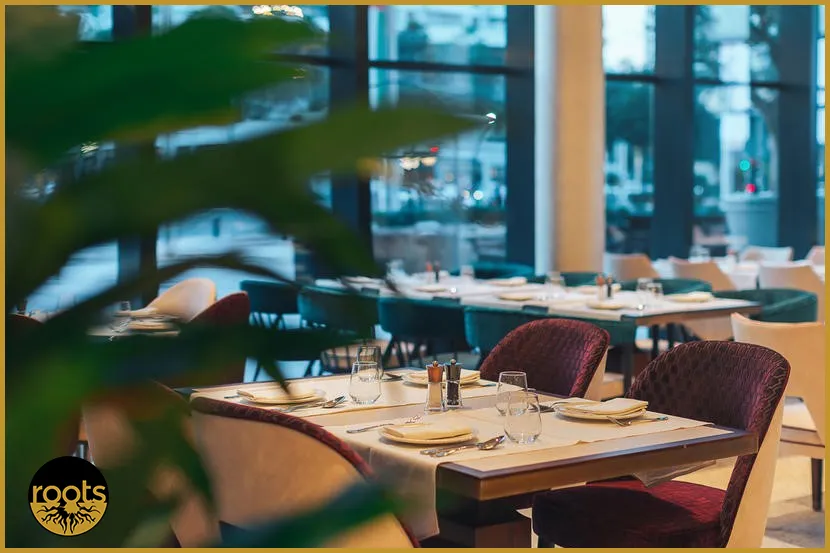
Architectural Restaurant Design: Transform Your Spaces
The success of your restaurant is directly related not only to the flavors you offer but also to the experience you provide to your guests. At this point, architectural restaurant design and restaurant interior designs come into play. Creating spaces that reflect the spirit of a restaurant, support its concept, and leave a positive impression from the very first moment they welcome your guests is one of the cornerstones of a successful business.
In this comprehensive guide aimed at maximizing the user experience, we will address all the details you need to consider when choosing the right interior design for your restaurant. You will find the information you need to create a design that maximizes the potential of the space, strengthens your brand identity, and appeals to your target audience.
What Is Restaurant Interior Design and Why Is It Important?
Restaurant interior design is a comprehensive process that is not limited to aesthetic concerns but also brings together functionality, comfort, safety, and brand identity. A well-designed restaurant:
- Captivates your guests and offers an unforgettable experience.
- Strengthens your brand identity and your concept.
- Increases operational efficiency and enables your staff to work more comfortably.
- Appeals to your target audience by determining the atmosphere of the space.
- Increases customer satisfaction and therefore profitability.
In summary, your restaurant's interior design is the first and most lasting connection you establish with your visitors.
Who Is Restaurant Design Suitable For?
Restaurant design appeals to a wide audience, from entrepreneurs establishing a new business to those who want to renovate their existing spaces:
- Those planning to open a new restaurant: To create the most suitable, eye-catching, and functional space for their concept.
- Those who want to renovate their existing restaurant: To improve the customer experience and stand out from the competition by updating old or outdated designs.
- Those who want to strengthen their brand identity: To create a consistent brand image that is in harmony with their spaces.
- Those experiencing operational problems: To increase staff efficiency by improving the flow of the space.
- Those who want to increase customer satisfaction: By creating more comfortable, inviting, and aesthetic spaces.
Which Needs Does It Meet?
Effective restaurant design meets versatile needs:
- Concept Determination and Implementation: Creates an atmosphere suited to the type of cuisine your restaurant offers, its target audience, and its overall vision.
- Space Organization and Flow: Optimizes customer and staff circulation, offering both a comfortable experience and increased operational efficiency.
- Creating Aesthetics and Atmosphere: Determines the character and emotional impact of the space through colors, lighting, furniture, and decorative elements.
- Comfort and Ergonomics: Creates functional areas where guests can sit comfortably and staff can move easily.
- Brand Identity Integration: Integrates brand elements into the space, from the menu to staff uniforms, from wall decoration to music selection.
- Acoustic and Lighting Solutions: Offers a comfortable conversation environment and lighting scenarios suited to the purpose of the space.
In Which Situations Should It Be Preferred?
It is possible to benefit from a professional design process at every stage of your restaurant:
- The initial setup of a new restaurant: To build on the right foundation from the very beginning.
- Rearrangement or renovation of the space: To modernize the existing structure, adapt to new trends, or improve problematic areas.
- A major change in brand identity: In the event of a concept or target audience change, for the space to reflect this change.
- The desire to gain a competitive advantage: To stand out from other businesses in the sector.
- Solving the underlying reasons for customer complaints or low customer satisfaction: To eliminate problems originating from the space itself.
In What Ways Does It Differ from Alternatives?
Professional architectural restaurant design differs from ordinary decoration or choices made on one's own in many ways:
- Comprehensive and Strategic Approach: Not only aesthetics but also functionality, brand strategy, target audience analysis and operational needs are taken into consideration.
- Expertise and Experience: Architects and designers have expertise in correct material knowledge, current trends, compliance with regulations and making the best use of the space's potential.
- Originality and Customization: Custom solutions are produced according to the unique needs and concept of each restaurant. A brand-specific identity is created, away from standard solutions.
- Long-Term Value: Good design makes the space more durable, requiring less maintenance and preserving its value over time.
- Problem-Solving Ability: Designers resolve complex problems such as narrow spaces, lighting issues and sound acoustics with creative solutions.
What Should Be Considered in Material Selection?
In restaurant design, material selection is critically important both aesthetically and functionally. Factors such as durability, ease of maintenance, safety and cost should be taken into consideration.
| Material Type | Durability | Indoor/Outdoor Use | Cost (Average) | Advantages | Disadvantages |
|---|---|---|---|---|---|
| Natural Stone (Marble, Granite, etc.) | Very High | Both Indoor and Outdoor | High | Aesthetic, Prestigious, Long-Lasting, Easy to Clean (some) | Heavy, Difficult to Apply, Costly, Some May Stain |
| Wood (Solid, Veneer, Composite) | Medium - High (Depending on Processing and Type) | Generally Indoor (Outdoor Types Available) | Medium - High | Warmth, Naturalness, Variety | Sensitive to Moisture (some), Flammable, May Require Maintenance |
| Concrete / Decorative Plaster | High | Both Indoor and Outdoor | Low - Medium | Modern, Industrial Look, Durable, Versatile Application | Risk of Cracking (with Poor Workmanship), May Stain (Requires Protection) |
| Ceramic / Porcelain Tile | High | Both Indoor and Outdoor | Low - Medium | Water and Stain Resistance, Wide Variety, Easy to Clean | Risk of Fragility (if dropped), Slippery Surfaces (Pay Attention to Selection) |
| Metal (Stainless Steel, Iron, etc.) | Very High | Both Indoor and Outdoor | Medium - High | Industrial, Modern Look, Durable, Hygienic (Stainless Steel) | Appearance May Feel Cold, May Require Maintenance (Iron) |
| Fabric and Upholstery | Variable (Depending on Area of Use and Quality) | Generally Indoor | Variable | Comfort, Variety of Colors and Patterns, Softness | May Stain, Risk of Wear, Flammable (Compliance with Fire Regulations Is Important) |
Material selection should be suitable for your restaurant's frequency of use, concept and budget. For example, stain-resistant and easy-to-clean materials should be preferred for a dining area with intensive use.
What Should Be Considered Before Purchasing?
Paying attention to the following points before starting a restaurant design project or investing in an existing project will ensure that the process proceeds smoothly and the goals are achieved:
- Conduct a Detailed Needs Analysis: Have a clear idea about the current state of your venue, your target audience, the services you will offer, and your budget.
- Get Professional Support: Working with an experienced architect or interior architect ensures that the process is both more efficient and more successful.
- Clarify Your Concept: Determine who your restaurant will be, what it will offer, and what kind of atmosphere you want to create.
- Determine Your Budget: Create a realistic budget for design, materials, implementation, and possible unexpected expenses.
- Review References: Check the previous projects and references of the designers you are considering working with.
- Keep Communication Strong: Maintain continuous and open communication with your design team.
- Be Flexible: Being flexible during the planning phase makes it easier to cope with unexpected situations.
- Research Regulations: Make sure you will comply with legal regulations such as fire safety, disabled access, and hygiene standards.
Frequently Asked Questions (FAQ)
The length of the design process varies greatly depending on the size and complexity of the project and the approval processes. While a simple renovation takes a few weeks, designing and implementing a restaurant from scratch can take several months.
Lighting is one of the most powerful elements that directly affects the atmosphere of a venue. The right lighting determines the warmth, intimacy, or energy of the space. It makes your guests comfortable, enhances the visual appeal of the food, and highlights the venue's standout features. It is possible to create the desired effect by using different scenarios (ambient, task lighting, accent lighting).
To create a sense of spaciousness in small venues, light color palettes, abundant use of natural light, mirrors, vertical lines, multi-functional furniture, and simple designs that do not disrupt the flow of the space can be preferred. In addition, lighting techniques aimed at making the ceiling appear higher can also be used.
Of course it is possible. Even small touches can make a big difference. For example, a modern look can be achieved through methods such as renewing the furniture, updating the wall colors, adding new lighting elements, and revitalizing the space with artworks or plants.
The budget determination process depends on many factors such as the size of the venue, its current condition, the scope of the work to be done (renovation, decoration, furniture purchase, etc.), material quality, and the designer's fee. Generally, approximate costs are calculated by determining the main items of the project (structural changes, electrical/plumbing, flooring, walls, ceiling, lighting, furniture, decoration). A professional designer will guide you through this process and help you create a realistic budget.
Conclusion: Make a Difference with Your Venue
The architectural design and interior arrangement of your restaurant is not just an aesthetic choice, but also one of the cornerstones of a successful business. It shapes every element, from the first impression that greets your guests to the overall experience you offer them. The right design strengthens your brand identity, increases operational efficiency, and most importantly, creates an unforgettable atmosphere that your guests will want to return to again and again.
In light of the information we have covered in this guide, you can determine the most suitable design strategies for your restaurant, fully reveal the potential of your venue, and create a distinctive identity that appeals to your target audience. Remember, a well-designed venue, combined with your delicious food, directly affects customer satisfaction and the success of your business.











































































