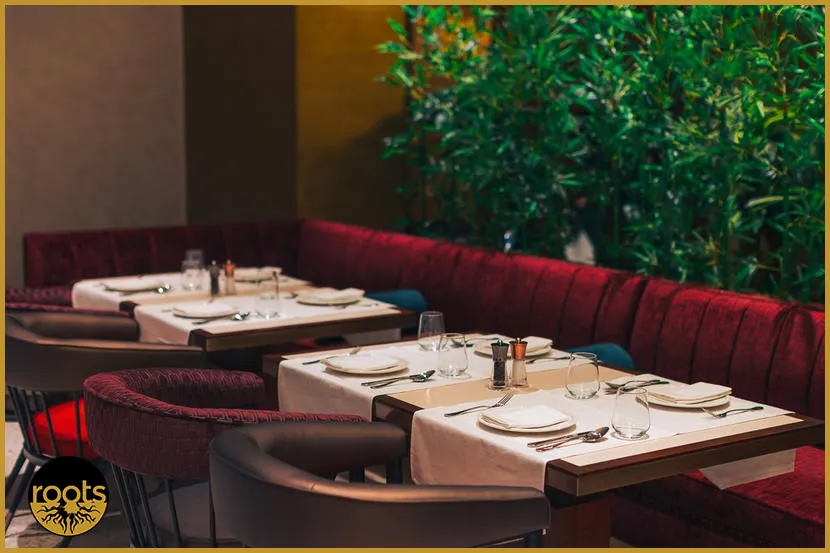
Architectural Restaurant Design: Interior Solutions That Transform the Customer Experience
The success of your restaurant is directly related not only to the flavors you offer but also to the atmosphere you present to your guests. Architectural restaurant design forms the foundation for creating a functionally and aesthetically superior experience that reflects the identity of your venue. Restaurant interior designs can increase the value of your brand and maximize customer satisfaction through proper planning and creative approaches.
What Is Restaurant Design and Why Is It Important?
Restaurant design is a holistic process that encompasses both the physical structure and the visual and sensory elements of a dining venue. This process covers a wide range, from kitchen layout to seating areas, from lighting to material selection. A well-executed restaurant design;
- Strengthens Brand Identity: The atmosphere of the venue enables you to establish a strong connection with your target audience.
- Elevates the Customer Experience: A comfortable, inviting and functional environment encourages your guests to stay longer and return.
- Increases Operational Efficiency: A cleverly planned layout allows your staff to serve faster and more effectively.
- Provides a Competitive Advantage: A unique design sets you apart from your competitors and makes you stand out.
What Do Comprehensive Restaurant Interior Designs Offer?
Restaurant interior designs do not only address aesthetic concerns but also produce solutions suited to the purpose of the venue, its target audience and its business model. These comprehensive approaches include:
- Concept Development: An original concept that defines the spirit and story of the venue is created.
- Space Planning (Layout): The most efficient placement of all functional areas such as the kitchen, service areas, seating arrangements and restrooms.
- Design and Material Selection: Ensuring that every detail, from wall coverings to flooring materials, from furniture to lighting fixtures, is suited to the concept and durable.
- Lighting Design: Lighting solutions that define the atmosphere of the venue, support functionality and enhance visual appeal.
- Acoustic Arrangement: Work on sound insulation and absorption to provide a comfortable listening environment.
- Ergonomics: Design principles that increase the comfort and efficiency of both customers and staff.
- Brand Integration: Ensuring that the logo, color palette and overall brand identity are felt in every detail of the venue.
Who Is It Suitable For?
Architectural restaurant design and professional interior solutions are critical for your business in the following situations:
- Those Who Want to Open a New Restaurant: To create a memorable and functional venue from scratch.
- Those Who Want to Renovate Their Existing Venue: To bring an old or outdated venue in line with current concepts and increase customer appeal.
- Those Who Want to Strengthen Their Brand Identity: To ensure that their venues reflect the value and prestige of their brand.
- Those Who Want to Improve the Customer Experience: To build a loyal customer base by enhancing comfort, atmosphere and service quality.
- Those Who Want to Solve Operational Problems: To increase efficiency by improving in-venue flow.
Which Needs Does It Meet?
Professional restaurant designs meet various fundamental needs of businesses:
- Aesthetic Satisfaction: Creates a visually pleasing, inviting and memorable atmosphere.
- Functionality and Ergonomics: Offers an efficient workspace by optimizing customer and staff movement.
- Building Brand Image: Creates a strong brand identity and perception aimed at the target audience.
- Customer Satisfaction and Loyalty: Increases customer loyalty through a comfortable and enjoyable experience.
- Cost Effectiveness: Can reduce operating costs in the long term through durable material selection and optimized planning.
- Compliance with Legal Requirements: Designs are developed in accordance with standards such as fire safety and accessibility.
What Sets It Apart from Alternatives?
Unlike ready-made decoration solutions or unplanned renovations, architectural restaurant design is a customized, holistic and strategic approach. Professional design services:
- Offers Originality: It reveals the unique potential of each space and gives it a distinctive identity.
- Captures the Spirit of the Space: It is not just a visual arrangement; it creates the story and ambiance of the space.
- Thinks Long-Term: It offers future-oriented solutions by considering durability, functionality and relevance.
- Maximizes Efficiency: It optimizes all processes from customer flow to kitchen operations.
- Provides Professional Expertise: It achieves the best results with expertise in areas such as material knowledge, ergonomics, lighting and acoustics.
Points to Consider in Material Selection
The materials to be used in restaurant interiors are of great importance in terms of both aesthetic appearance and functionality. Factors such as durability, ease of cleaning and cost should be taken into consideration.
| Material Type | Durability | Indoor/Outdoor Use | Cost (Average) | Features |
|---|---|---|---|---|
| Natural Stone (Marble, Granite) | Very High | Both Indoor and Outdoor | High | Luxurious appearance, resistant to scratches and stains. |
| Ceramic/Porcelain Tile | High | Both Indoor and Outdoor | Medium | Wide range of patterns and colors, easy to clean, moisture-resistant. |
| Wood (Natural or Composite) | Medium - High (Depending on Coating and Maintenance) | Mainly Indoor (Outdoor with Special Treatments) | Medium - High | Warm and natural atmosphere, can be scratched, may be sensitive to moisture. |
| Concrete (Polished/Decorative) | High | Both Indoor and Outdoor | Medium | Modern and industrial appearance, may be sensitive to stains. |
| Metal (Stainless Steel, Iron) | High | Both Indoor and Outdoor | Medium - High | Industrial, modern or classic appearance, easy to clean. |
| Glass (Tempered, Decorative) | Medium - High | Mainly Indoor (Outdoor with Special Safety Types) | Medium | Reflects light, creates a sense of spaciousness, can break. |
| Synthetic Leather/Fabric (PU Leather, Velvet, etc.) | Medium (Depending on Use) | Indoor | Medium | Comfortable seating areas, options resistant to staining are available. |
Points to Consider Before Purchasing
Before receiving a restaurant design service or starting the renovation process, it is important to pay attention to the following points:
- Define a Clear Concept: Clarify which style you want your venue to reflect, your target audience and your brand values.
- Define Your Budget: Create a realistic budget for all items such as design, implementation, furniture, lighting and decoration.
- Evaluate Your Venue's Potential: What are the advantages and disadvantages of the existing structure? Which areas can be improved?
- Get Professional Support: Working with experienced architects and interior designers makes the process more efficient and successful. Review references.
- Prioritize Functionality: As well as aesthetics, do not overlook the operational flow of the venue, staff comfort and customer comfort.
- Material Quality and Durability: Choose materials suitable for intensive use, easy to clean and long-lasting.
- Remember the Role of Lighting: Lighting directly affects the atmosphere and perception of the venue. Consider functional and ambient lighting together.
- Ensure Acoustic Comfort: High sound levels can negatively affect the customer experience. Evaluate sound insulation and absorption solutions.











































































