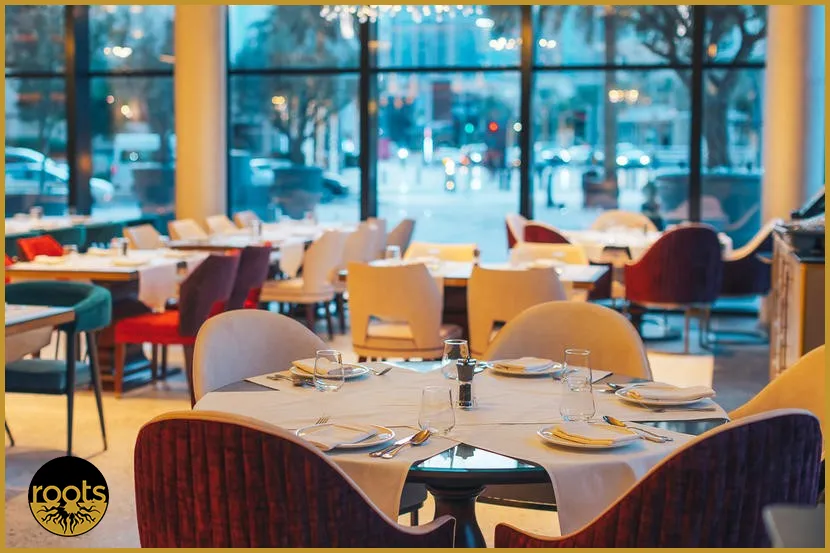
Architectural Restaurant Design: The Intersection of Experience and Functionality
The success of a restaurant is directly related not only to the flavors it offers but also to the spatial experience it provides to its guests. Architectural restaurant design, beyond aesthetic concerns, is the physical embodiment of operational efficiency, customer psychology and brand identity. A correct interior layout optimizes the entire journey of the customer from the moment they enter the door until the moment they leave.
Why Are Restaurant Interior Designs Important?
Interior design reflects the "spirit" of a business. A good design meets the following basic needs:
- Operational Flow: It ensures that the traffic between the kitchen and the service area progresses without interruption.
- Customer Comfort: With lighting, acoustics and seating arrangement, it allows customers to spend longer and more enjoyable time in the space.
- Brand Differentiation: In the highly competitive gastronomy sector, it enables differentiation from competitors by creating a unique visual language.
- Cost Management: It reduces long-term operating expenses through energy efficiency and durable material choices.
Who Is It Suitable For?
This service is suitable for entrepreneurs planning to open a new business, restaurant owners who want to modernize their existing space, and chain brands that want to carry their corporate identity into the physical space. The design process is built on different dynamics depending on the type of venue (fine-dining, fast-food, bistro or cafe).
| Material Type | Durability | Area of Use | Cost Axis |
|---|---|---|---|
| Natural Wood | Medium (Requires Maintenance) | Floor, Wall Panels, Furniture | High |
| Industrial Steel | Very High | Kitchen Units, Decorative Details | Medium - High |
| Marble & Natural Stone | High (Stain Sensitivity) | Countertops, Reception Desks | High |
| Ceramic & Tile | High | Floor, Wet Areas, Kitchen | Medium |
| Raw Concrete (Epoxy Coating) | Very High | Modern/Industrial Floors | Economical - Medium |
Points to Consider Before Purchasing and Design
Before starting to work with an architectural office or entering the design process, you should consider the following points:
- Target Audience Analysis: The habits of the audience who will come to the venue (quick meals or long dinners?) form the basis of the design.
- Kitchen and Dining Area Balance: How much of the square meters will be allocated to the kitchen and how much to the tables directly affects the turnover capacity.
- Lighting Strategy: Adjustable (dimmable) systems that will change the atmosphere of the space during day and night transitions should be preferred.
- Regulations and Permits: Legal obligations such as ventilation, fire exits and disabled access are an integral part of the design.
Aspects That Distinguish It from Alternatives
Professional architectural design is different from a mere "decoration" service. While decoration embellishes the existing structure, architectural design constructs the structure of the building, the installation infrastructure and ergonomic standards from scratch. A professional approach combines aesthetics with engineering solutions.
Frequently Asked Questions
1. How long does the restaurant design process take?
Depending on the size of the venue and the complexity of the concept, the project design phase generally varies between 4-8 weeks, while the implementation phase can vary between 2-4 months.
2. Why is acoustic treatment necessary?
One of the biggest complaints in restaurants is noise pollution. Sound-absorbing panels used on ceilings or walls increase comfort by allowing guests to hear each other easily.
3. What kind of design approach should be followed for small spaces?
In small areas, a sense of spaciousness should be created by preferring mirrors, light color palettes and modular furniture. In addition, the use of vertical spaces is critical for storage.
Result-Oriented Design Approach
A successful restaurant interior design manages the guest's perception of the space. While the right material selection reduces operating costs, the right lighting and layout take customer satisfaction to the highest level. Clarifying workflow charts with your technical team before investing will prevent errors that may occur during implementation.
Even though trends change in modern restaurant design, quality and functionality are always permanent. For the long-term success of your business, it is recommended that you focus on visionary projects that blend aesthetics with technique.











































































