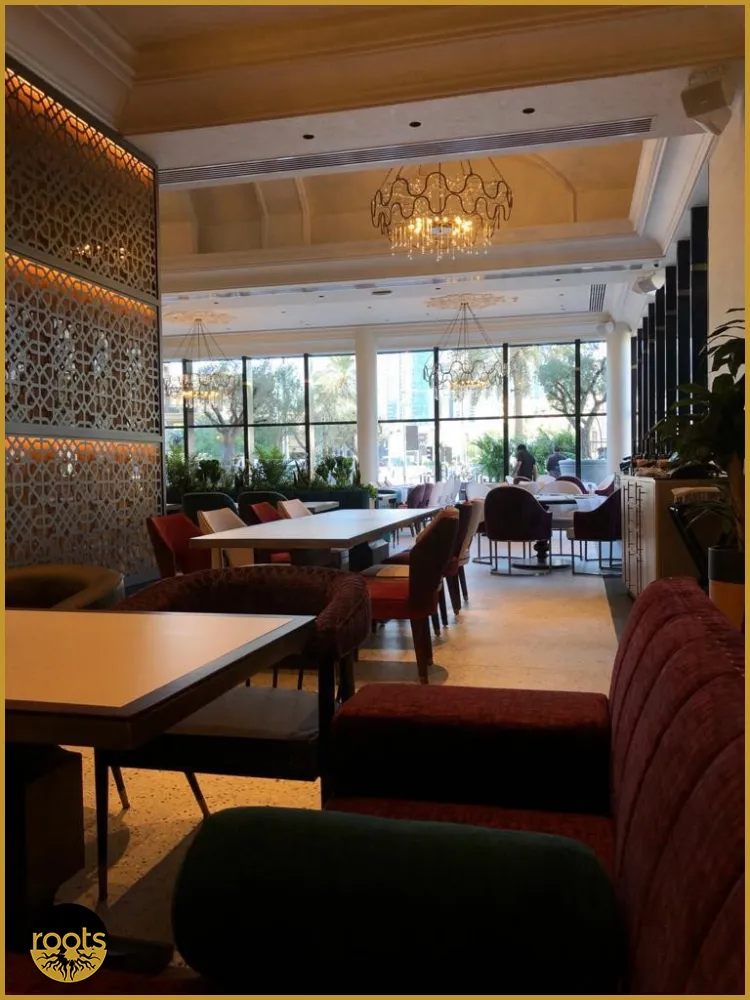
Architectural Restaurant Design and Interior Solutions
The success of your restaurant is directly related not only to the flavors you offer but also to the experience you provide to your guests. Architectural restaurant design constitutes one of the cornerstones of this experience. Many factors such as the atmosphere of your venue, the comfort of your guests, service quality and even brand perception are shaped by the right interior design.
What Is Restaurant Design and Why Is It Important?
Restaurant design is a holistic process that encompasses not only the visual aesthetics of a dining venue but also its functionality, user experience and brand identity. A good restaurant design:
- Increases customer satisfaction.
- Raises the efficiency of the venue (for example, service flow, seating arrangement).
- Strengthens brand value and memorability.
- Enables you to differentiate from competitors.
- Allows staff to work more comfortably and efficiently.
Who Is It Suitable For?
Architectural restaurant design and professional interior solutions are ideal for all businesses in the following situations:
- Restaurants to be newly opened: Those who want to create a venue from scratch that suits their target audience and concept.
- Those who want to renovate their existing restaurant: Those who want to modernize their old and outdated venues and increase their customer appeal.
- Those who want to strengthen their brand identity: Those who want to create a consistent visual identity that suits their restaurant's concept and values.
- Those who want to improve the customer experience: Those who aim to offer their guests a more comfortable, enjoyable and unforgettable experience.
- Those who want to increase operational efficiency: Those who want to optimize service flow and facilitate communication between the kitchen and service.
Which Needs Does It Meet?
Professional restaurant design meets many fundamental needs of your business:
- Aesthetics and Atmosphere: It determines the overall mood of the venue, attracts your guests and offers them a pleasant environment. The desired atmosphere is created with color palettes, lighting, furniture selection and decorative elements suited to your concept.
- Functionality and Usability: It provides a layout where customers can move comfortably and staff can work efficiently. Elements such as seating arrangement, service areas and kitchen access are optimized.
- Customer Flow Management: It ensures a smooth transition between the entrance, welcome, waiting areas, seating arrangement and exit points. It helps prevent the confusion that may occur during busy times.
- Brand Integration: It creates a strong brand perception by integrating your restaurant's logo, colors and overall identity into every corner of the venue.
- Material Selection and Durability: It ensures the selection of durable and aesthetic materials suited to the purpose of use and intensity of the venue. This also offers a cost advantage in the long term.
- Lighting Design: It offers the right lighting solutions for both the functional and aesthetic needs of the venue. The atmosphere is enriched with different types of lighting (general, task, accent).
When Should It Be Preferred?
Investing in restaurant design can be a strategic decision at different stages of your business's life cycle:
- When Opening a New Venue: To correctly position the brand identity and target audience from the very beginning.
- When Completely Renovating an Existing Venue: To gain a competitive advantage by fully updating the physical structure, aesthetics and functionality of the venue.
- When Changing the Concept: When there is a change in the business's menu, target audience or service approach, so that the venue also adapts to this new identity.
- When Wanting to Increase Market Share: To perform better than the current situation, attract more customers and build loyalty.
Material Selection: Durability, Aesthetics and Cost
The selection of materials used in restaurant interiors is of great importance in terms of both aesthetic appearance and operational requirements. Different types of materials offer various advantages and disadvantages:
| Material Type | Durability | Indoor/Outdoor Use | Cost | Prominent Features |
|---|---|---|---|---|
| Natural Stone (Marble, Granite, etc.) | Very High | Indoor (High-traffic areas, counters) and Limited Outdoor | High | Prestigious, natural, various patterns. May require maintenance. |
| Ceramic and Porcelain | High | Indoor and Outdoor (Floor, wall coverings) | Medium | Easy to clean, high scratch and stain resistance, wide design options. |
| Wood | Medium-High (With Protection) | Mainly Indoor (Floor, furniture, wall panels) | Medium-High | Creates a warm and natural atmosphere. Protection from moisture is important. |
| Metal (Stainless Steel, Iron, etc.) | High | Indoor and Outdoor (Furniture, lighting, decoration) | Medium-High | Offers industrial, modern or rustic looks. Durable and easy to clean. |
| Concrete/Micro Cement | High | Indoor and Outdoor (Floor, walls, counters) | Medium | Offers an industrial and minimalist look. Application details are important. |
| Decorative Plaster and Paints | Medium | Mainly Indoor | Low-Medium | Offers various textures and colors at an affordable cost. Determines the overall character of the space. |
The most important points to consider in material selection; are compatibility with the overall concept of the space, guest comfort and safety, ease of maintenance and longevity.
What Are Its Differences from Alternatives?
Professional architectural restaurant design offers the following advantages beyond what you would do yourself or a random decoration choice:
- Holistic Approach: It focuses not only on visuals but also on functionality, ergonomics and brand strategy.
- Revealing the Potential of the Space: It ensures the most efficient use of the area and reveals hidden potentials.
- Professional Insight and Experience: It ensures the most accurate decisions are made by taking into account industry trends, material knowledge and legal regulations.
- Custom Solutions: It develops original designs suited to the unique needs and concept of each restaurant.
- Cost Efficiency: By preventing wrong investments in the long term, it creates cost advantages at every step from material selection to layout plan.
Things to Consider in the Purchasing and Decision-Making Process
There are some critical points you should consider before receiving an architectural restaurant design service or shaping your own design:
- Concept and Target Audience Definition: The type of cuisine your restaurant offers, the customer profile it targets (families, business people, young people, etc.) and the atmosphere it wants to create must be clearly defined.
- Budget Determination: A realistic budget covering all items such as design, renovation and furniture should be created.
- Space Analysis: The physical characteristics, advantages and disadvantages of the existing space should be examined in detail.
- Functionality and Flow Plan: A planning should be made to optimize customer and staff movements, service flow, kitchen and bar layout.
- Material and Lighting Strategy: Material and lighting solutions suitable for the concept of the space, durability requirements and budget should be selected.
- Brand Consistency: It should be ensured that the design is compatible with the brand identity of the restaurant (logo, colors, slogan, etc.).
- Legal Requirements: Compliance with all relevant legal regulations such as fire safety and hygiene standards should be ensured.
- Getting Professional Support: Working with an experienced architect or interior architect ensures that the process progresses more professionally and successfully. Examining references and previous projects will be beneficial.
Frequently Asked Questions (FAQ)
The design period varies depending on the size of the space, the complexity of the concept and the scope of the renovation. A detailed concept and drawing process can generally take between a few weeks and a few months. The implementation (renovation) period is added on top of this period.
Of course! The design process proceeds in line with your vision and expectations. Designers stay in constant communication with you to understand your concept and obtain your approval at every stage of the design. Your contribution is critical to the success of the project.
One of the most important elements determining the atmosphere of your restaurant is lighting. General lighting (illuminating the entire space), task lighting (for specific areas such as tables and counters) and ambient lighting (decorative lights, pendants) can be used together. The choice of color temperature suitable for the concept (warm or cool tones) also directly affects the atmosphere. For example, warm tones can be preferred for a more intimate and romantic environment, while different lighting combinations can be preferred for a more energetic and modern space.
The restaurant design cost varies greatly depending on many factors such as the square meters of the space, the quality of the selected materials, the size of the renovation, and furniture and decoration details. Therefore, it is difficult to give an exact figure. However, working with a professional designer will ensure that you spend more efficiently and in a controlled manner in the long term. By clearly sharing your expectations and budget in the initial meetings, you can receive a price offer specific to you.











































































