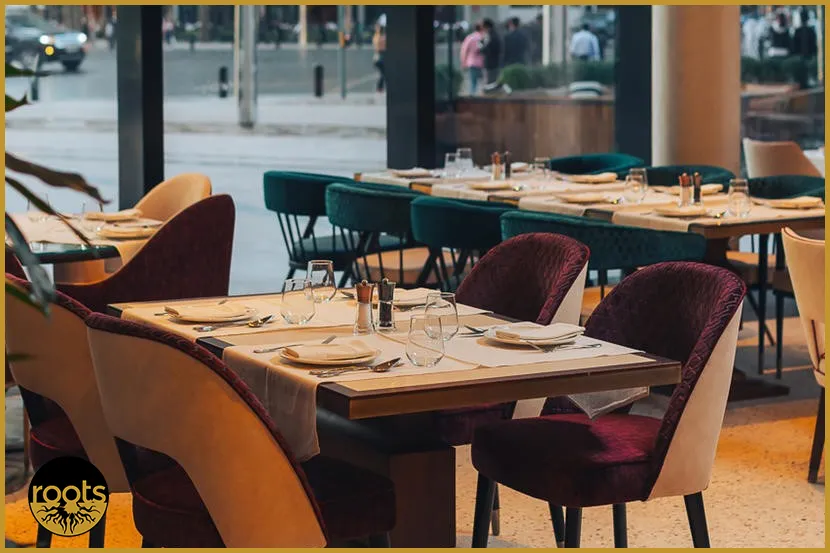
Architectural Restaurant Design and the Keys to Success in Interior Spaces
The success of your restaurant is directly related not only to the flavors you offer but also to the atmosphere and experience you present to your guests. A well-designed restaurant interior reflects your brand's identity, increases customer satisfaction and encourages repeat visits. In this comprehensive guide, you will discover the finer points of restaurant interior designs, the things to pay attention to and how you can manage this process in the most efficient way.
Why Is Restaurant Interior Design So Important?
Restaurant interior design is a critical element that conveys a business's identity, target audience and the quality of the service offered to visitors at first glance. A correct design:
- Strengthens brand perception and increases memorability.
- Improves the customer experience and raises satisfaction.
- Optimizes the working efficiency of the staff.
- Attracts the target audience by determining the overall atmosphere of the space.
- Creates a unique identity that distinguishes you from your competitors.
Who Is Restaurant Interior Design Suitable For?
This design service appeals to a wide audience, from entrepreneurs planning to open a new restaurant to business owners who want to renew the atmosphere of their existing spaces. The main target groups are as follows:
- Those Opening a New Restaurant: Those who want to create the first interior where they will bring their concepts to life and reflect the spirit of their brand.
- Those Who Want to Renovate Their Existing Restaurants: Those who want to keep up with current trends, increase the comfort of the space or adopt a different concept.
- Those Who Want to Offer a Different Experience: Businesses that aim to go beyond the ordinary and give their guests an unforgettable atmosphere.
- Chain Restaurant Operators: Those who want to create a homogeneous design language in different locations while maintaining brand standards.
Which Needs Does It Meet?
Effective restaurant interior design contributes to the success of your business by meeting various fundamental needs:
- Functionality and Ergonomics: Seating arrangements that ensure customers' comfort, working areas where service staff can move smoothly.
- Creating Aesthetics and Atmosphere: Creating the desired atmosphere with color palettes, lighting, furniture and decoration elements suitable for the overall concept of the space.
- Customer Experience Optimization: Increasing customer loyalty and positive feedback by offering a memorable experience.
- Space Usage Efficiency: Increasing capacity and revenue potential by utilizing the existing area in the most effective way.
- Emphasis on Brand Identity: Visually reflecting the restaurant's concept, story and values in the space.
In Which Situations Should It Be Preferred?
Restaurant interior design stands out as a strategic investment in certain situations:
- When creating a new concept or brand.
- When you want to increase the performance of an existing restaurant and modernize it.
- When you want to stand out in a highly competitive market.
- When you think customer complaints are related to the physical conditions of the space.
- When you aim to increase the capacity and efficiency of your space.
- When you want to create a special atmosphere or theme.
In Which Aspects Does It Differ from Its Alternatives?
Restaurant interior design refers to a process far beyond random decoration or merely choosing furniture. With a professional approach:
- Comprehensiveness: Not only aesthetic concerns but also many factors such as functionality, ergonomics, lighting, acoustics and customer flow are handled together.
- Concept Focus: A holistic design strategy is developed in line with the restaurant's concept, target audience and brand identity.
- Professional Technical Knowledge: Technical issues such as architectural standards, material knowledge, material durability and budget management are handled professionally.
- Originality: An inimitable design specific to each space and each brand is put forward.
- Long-Term Investment Value: A well-made design increases your business's brand value and profitability in the long term.
Things to Consider in Material Selection
| Material Type | Durability | Indoor/Outdoor Use | Average Cost | Prominent Features |
|---|---|---|---|---|
| Wood | Medium - High (with appropriate treatments) | Ideal for indoor spaces, requires special coatings for outdoor use. | Medium - High | Creates a warm, natural and inviting atmosphere. Offers various looks with different types. |
| Natural Stone | High | Suitable for indoor and outdoor spaces. | High | Provides a luxurious, durable and timeless look. Resistant to moisture and heat. |
| Concrete | Very High | Suitable for indoor and outdoor spaces. | Low - Medium | Offers an industrial, modern and minimalist style. Easy to clean. |
| Metal (Stainless Steel, Iron, etc.) | High | Suitable for indoor and outdoor spaces. | Medium - High | Creates modern, industrial or retro looks. Requires easy maintenance. |
| Ceramic and Porcelain | High | Suitable for indoor and outdoor spaces. | Low - Medium | Offers various color, pattern and texture options. Easy to clean and hygienic. |
| Decorative Paint and Coatings | Medium | Generally for indoor spaces. | Low - Medium | Offers an economical solution with a wide range of colors and textures. Different effects can be created. |
What Should Be Considered Before Purchasing?
Restaurant interior design is an investment decision. Here are some critical points you should pay attention to before starting this process:
- Determine Your Budget: Create a realistic budget for design, implementation, furniture and decoration.
- Clarify Your Concept: What kind of cuisine will you offer? Who is your target audience? Which atmosphere do you want to create?
- Evaluate the Physical Conditions of the Space: Consider factors such as the size and shape of the area, natural light conditions, and existing infrastructure (electricity, water, etc.).
- Get Professional Help: Working with an experienced architect or interior designer ensures the process runs smoothly and successfully.
- Keep Communication Channels Open: Stay in constant communication with the designer and clearly express your expectations.
- Review References: Understand the designer's style and working principles by reviewing their previous projects.
- Make a Detailed Contract: Prepare a clear contract including the scope, delivery dates and payment terms.
Which style should I choose for my restaurant?
The choice of style is entirely related to your restaurant's concept, target audience and the cuisine it will offer. For example; warm wood tones and authentic details can be preferred for a traditional Turkish cuisine, while minimalist lines and vibrant colors can be preferred for a modern cafe. An expert architect will guide you in making this decision.
What is the role of lighting in restaurant design?
Lighting is one of the most powerful elements that directly affects the atmosphere of a space. Proper lighting both meets functional requirements (for example, well-lit service areas) and creates the desired ambiance (for example, dim lights for an intimate dinner). By using layered lighting (general, task and accent lighting), you can make the space richer and more inviting.
How can I make my existing restaurant more attractive with small touches?
You can improve the atmosphere in your existing space without making major changes. Steps such as updating the color palette, adding new accessories (paintings, plants, cushions), changing lighting fixtures, making small furniture arrangements or applying decorative coatings to walls can make the space look more spacious and modern. Additionally, improving sound insulation can significantly enhance the customer experience.
How can budget overruns be prevented in restaurant design?
The most effective way to prevent budget overruns is to carry out clear and detailed budget planning at the very beginning of the design process. It is important to share this budget with the designer and work on cost-effective solutions. Choosing materials that balance quality and cost, avoiding details that appear unnecessary, and clearly defining the project scope will help you stay true to your budget.
The interior design of your restaurant is a special space that tells the story of your brand and where you host your guests. Managing this process meticulously is of critical importance for both the prestige and the financial success of your business. With a professional approach, it is possible to create a space that is flawless in both aesthetic and functional terms.











































































