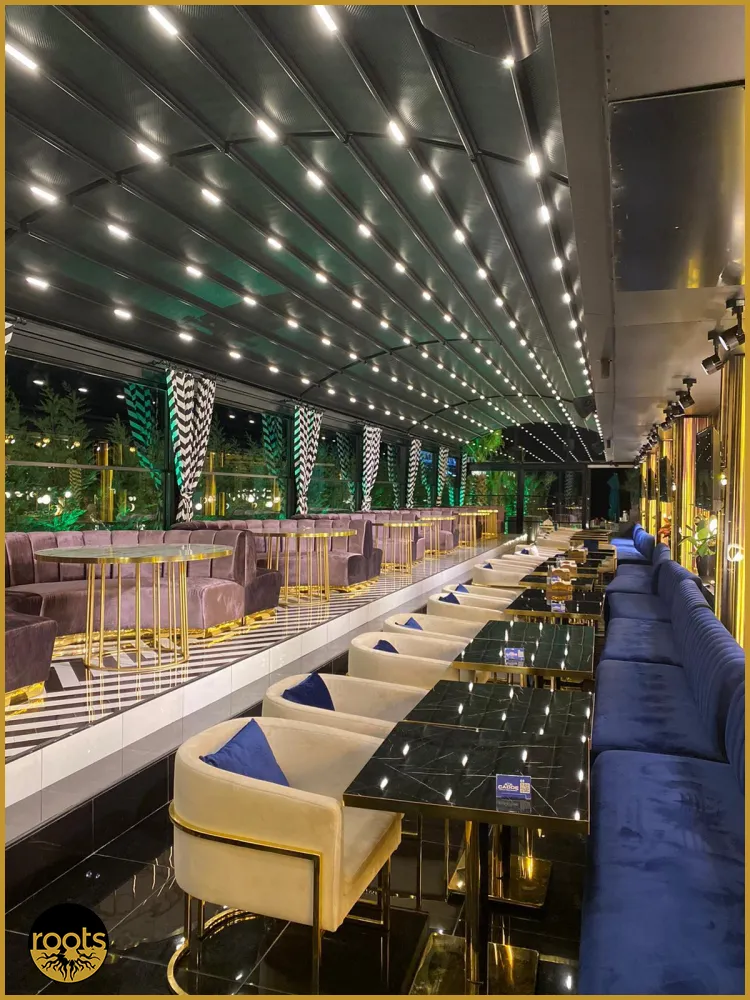
ARCHITECTURAL RESTAURANT DESIGN AND INTERIOR STRATEGIES
For a restaurant business, the physical space is not just an area where food is eaten, but the most fundamental element that reflects the brand's identity and determines customer loyalty. Architectural restaurant design goes beyond aesthetic concerns; it consists of a combination of operational efficiency, staff workflow and guest comfort. Professional interior design ensures that a business not only looks "beautiful" but is also commercially sustainable.
Why Is Restaurant Interior Design Important?
A well-structured restaurant design determines the atmosphere the customer feels from the moment they walk through the door. In this process, technical details such as acoustic control, lighting balance and thermal comfort are as decisive as the taste of the food. The design must meet the following basic needs:
- Circulation Management: Shortening the route of waiters between the kitchen and the tables directly increases service speed.
- Capacity Optimization: Bringing the available square meters to a maximum seating arrangement without disturbing guests.
- Psychological Effect: Constructing the color palette and light angles in a way that creates an appetizing and relaxing atmosphere.
Material Selection and Durability Analysis
Restaurants are areas with heavy human traffic where hygiene standards must be kept at the highest level. For this reason, the materials chosen must both meet aesthetic expectations and be long-lasting. The table below compares the characteristics of commonly used material types:
| Material Type | Area of Use | Durability | Cost Axis | Maintenance Need |
|---|---|---|---|---|
| Natural Stone (Marble/Granite) | Floors and Countertops | High (Impact resistant) | High | Requires regular sealing |
| Industrial Metal | Furniture and Accents | Very High | Medium - High | Low |
| Solid Wood | Table and Panel Cladding | Medium | High | Requires periodic varnishing |
| Ceramic/Porcelain | Floor and Wall | High | Medium | Very Low |
| Vinyl / LVT Cladding | Floor | Medium - High | Economical | Low |
Critical Points to Consider in the Design Process
Before investing in a restaurant, it should not be forgotten that the design is not just a visual feast but a business model. Focusing on the following points during the decision-making stage minimizes risks:
- Kitchen and Dining Area Balance: Approximately 30-40% of the total area should be allocated to kitchen and storage areas. While a narrow kitchen locks down operations; an unnecessarily large kitchen steals from the sales area.
- Lighting Layers: General lighting, task lighting (for tables) and accent lighting (for decor) should be planned separately. Dimmable systems allow you to create different ambiances at different times of the day.
- Ventilation and Odor Control: Even in open kitchen concepts, the uncontrolled spread of food odors into the customer area must be prevented. Professional ventilation solutions are the hidden hero of comfort.
- Barrier-Free Design: All areas from entrances to restrooms being in compliance with accessibility standards (disabled access) is not only a legal obligation but also draws an inclusive brand image.
What Is the Difference from Alternative Approaches?
A professional architectural touch is very different from buying ready-made furniture and placing it. Custom-made furniture evaluates every corner of the space while eliminating the dead areas that standard solutions would create. In addition, electrical and mechanical installation planning in accordance with technical specifications prevents breakdown and renovation costs that may arise after the business opens.
Frequently Asked Questions
Question 1: I have a small space, how can I make it look larger?
Answer: The strategic use of mirrors, light color palettes and furniture with vertical lines make the space look larger than it is. In addition, large-sized coverings that provide continuity on the floor should be preferred.
Question 2: How important are trends in restaurant design?
Answer: Trends are temporary, but functionality is permanent. When creating a modern design, choosing sustainable materials and timeless forms that will not look outdated 5-10 years later preserves the investment cost.
Question 3: How are acoustic problems solved?
Answer: Hard surfaces reflect sound and create noise pollution. The hum can be brought under control by using ceiling panels, fabric-covered chairs or decorative acoustic dividers.
Steps for a Result-Oriented Design
Following these steps for a successful restaurant interior will make your decision-making process easier:
- Determining the Concept: Choose a style compatible with your menu and target audience (fine dining, fast-casual, bistro, etc.).
- Budget Planning: Set aside 15% of the budget allocated for decoration for unexpected technical details.
- Functional Analysis: Simulate the movements of staff and customers within the space.
- Professional Support: Prevent application errors by working with an interior architecture team that combines aesthetics with engineering.
In conclusion, restaurant interior designs are not just a decoration activity; they are staging a scene in which your guests become part of the story. A well-planned space extends the life of the business and makes brand value permanent.











































































