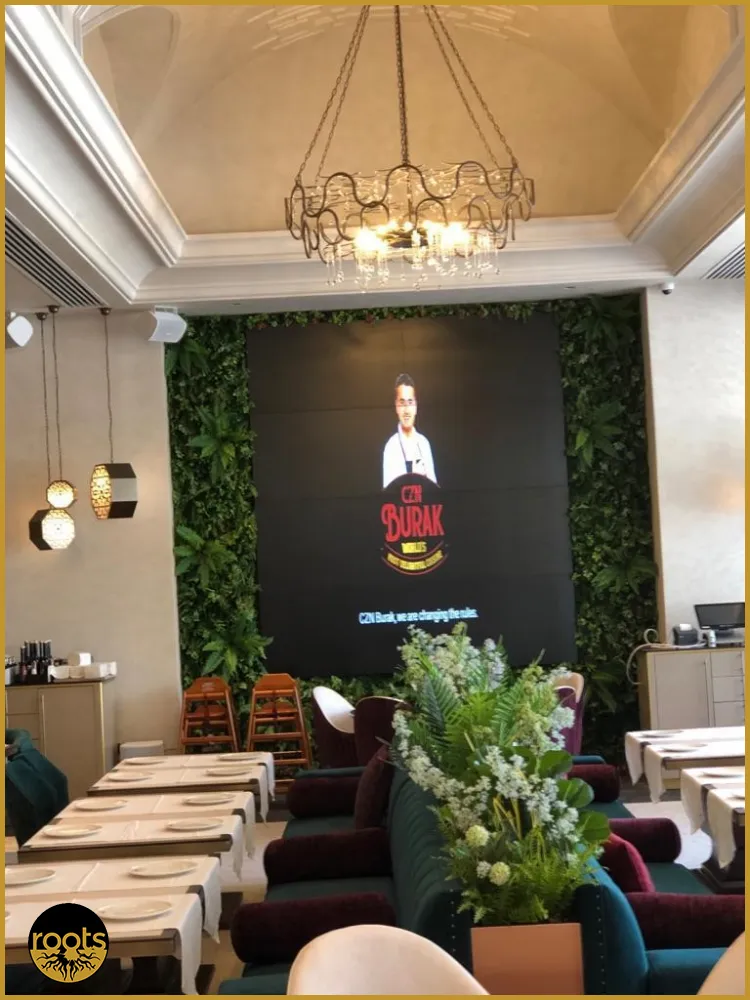
Architectural Restaurant Design: Building the Identity of a Space
The success of your restaurant is directly related not only to the flavors you offer but also to the quality of the experience you provide to your guests. The foundation of this experience is formed by an effective architectural restaurant design. It is possible for your restaurant to be not only a dining area but also a meeting point, a socializing space and an identity carrier through the right design strategies.
Architectural restaurant design is a holistic process that brings together the physical structure, aesthetics, functionality and atmosphere of the space. This process does not only determine the color of the walls; it also covers many details from lighting to furniture selection, from floor coverings to acoustic arrangements.
What Are the Main Objectives of Restaurant Design?
An effective restaurant design serves the following main objectives:
- Improving the Customer Experience: A comfortable, inviting and functional space offers your guests the opportunity to have an enjoyable time.
- Reflecting the Brand Identity: The design visually expresses your restaurant's concept, values and target audience.
- Increasing Operational Efficiency: It provides a layout where staff can move comfortably and the service flow proceeds smoothly.
- Maximizing Spatial Potential: It increases seating capacity and functionality by using the existing space in the most efficient way.
- Providing a Competitive Advantage: A distinctive and memorable design helps you stand out from your competitors.
Points to Consider in Restaurant Design
The main elements to consider when creating a successful restaurant interior design are as follows:
1. Determining the Concept
The concept of your restaurant forms the basis of the design. Is it fine dining, a casual bistro, ethnic cuisine, or fast service? The concept affects everything from the menu to the atmosphere, from the decor to the service. Therefore, you must clearly determine your target audience and the message you want to convey.
2. Spatial Planning and Layout
Using the space in the most efficient way is of critical importance. The flow between the entrance area, waiting area, seating arrangements (tables, booths, bar), service areas (kitchen entrance, restrooms) and staff working areas must be logical and fluid. Functionality and ergonomics are at the forefront at this stage.
3. Atmosphere and Ambiance
The atmosphere is the overall feeling you offer to your guests. This is provided through lighting, color palette, music, scent and decorative elements. Creating an intimate, romantic, energetic or calm atmosphere is entirely related to design decisions.
4. Lighting Design
Restaurant lighting plays both a functional and an aesthetic role. General lighting, task lighting (over tables) and accent lighting (artworks or architectural details) must be balanced correctly. Lighting greatly affects the size and atmosphere of the space.
5. Color and Material Selection
Colors can trigger emotions. It is important to choose a color palette suitable for your restaurant's concept. Material choices are critical in terms of both aesthetic appearance and durability and easy maintenance. Floor coverings, wall surfaces, table and chair materials reflect the overall quality of the restaurant.
6. Furniture Selection
Furniture is of vital importance for the comfort of guests and the overall aesthetics of the restaurant. Elements such as chairs, tables, bar stools and booths must be both ergonomic and suitable for the design. Durable and easy-to-clean materials should be preferred.
7. Acoustic Arrangement
Noise can negatively affect the restaurant experience. Solutions such as acoustic panels, sound-absorbing materials or planting can be used to prevent sound reverberation and create a pleasant environment. It is important for customers to be able to converse comfortably.
8. Branding and Details
The restaurant's logo, menu design, staff uniforms and even service equipment are all part of the design. These details strengthen the brand identity and offer a holistic experience.
Comparison of Different Material Options
The materials used in restaurant designs directly affect the character, durability and cost of the space. Here is a comparative summary of some commonly used material types:
| Material Type | Durability | Indoor/Outdoor Use | Cost (Average Assessment) | Features and Areas of Use |
|---|---|---|---|---|
| Natural Stone (Granite, Marble) | Very High | Indoor and Outdoor | High | Elegant, prestigious appearance. Countertops, flooring, wall cladding. Requires careful maintenance. |
| Wood (Solid, Veneer) | Medium - High (Depending on Type) | Generally Indoor (Specially Treated Outdoor) | Medium - High | Warm, natural, aesthetic. Furniture, wall panels, flooring. May be sensitive to scratches and moisture. |
| Ceramic and Porcelain Tile | High | Indoor and Outdoor | Low - Medium | In various patterns and colors. Easy to clean, durable. Ideal for flooring and wall cladding. |
| Concrete (Polished, Decorative) | High | Indoor and Outdoor | Low - Medium | Industrial, modern, minimalist appearance. Flooring, countertops, walls. Durable and easy to maintain. |
| Metal (Stainless Steel, Iron) | Very High | Indoor and Outdoor | Medium - High | Industrial, modern, durable. Furniture legs, lighting elements, decorative details. |
| Glass (Tempered, Colored) | Medium (Tempered) | Indoor and Outdoor | Medium | Gives a feeling of lightness and spaciousness. Partitions, table surfaces, decorative elements. There is a risk of breakage. |
Who Is Architectural Restaurant Design Suitable For?
Architectural restaurant design is an ideal solution in the following situations and for the following individuals/institutions:
- Those Opening a New Restaurant: Those who want to establish the right concept and functionality from the very first design of the space.
- Those Wanting to Renovate Their Existing Restaurant: Business owners who want to adapt to current trends, improve the customer experience, or update their brand identity.
- Those Wanting to Bring a Specific Concept to Life: Entrepreneurs who want to design ethnic cuisines, themed restaurants, or spaces with unique concepts.
- Those with Capacity or Functional Issues: Businesses experiencing efficiency problems in the use of the space or wanting to increase seating capacity.
- Those Wanting to Stand Out in Competition: Those who want to offer their guests a visually attractive, memorable, and unforgettable experience.
What Are Its Differentiating Aspects from Alternatives?
Unlike standard or careless designs, comprehensive architectural restaurant design stands out with the following aspects:
- Holistic Approach: It addresses not only aesthetics but also all elements such as functionality, customer satisfaction, and operational efficiency together.
- Brand Focus: It creates a unique brand identity by integrating the restaurant's identity, story, and values into the design.
- Expertise: Professional designers offer solutions with material knowledge and mastery of trends that will best reveal the potential of the space.
- Long-Term Investment: A well-executed design extends the life of the space, increases customer loyalty, and provides a higher return in the long run.
- Customer Experience Focus: Every detail aims for the comfort of guests and a pleasant experience.
What Should Be Considered Before Purchasing?
Important points to consider for those thinking of receiving restaurant design services or making an investment in this direction are as follows:
- Review the Designer's Portfolio: Go over their previous restaurant projects, style and the concepts they have worked with.
- Clarify Your Needs and Expectations: Be clear about your restaurant's concept, target audience, budget and functional needs.
- Get in Touch and Seek Consultancy: Talk to potential designers, convey your vision and listen to their suggestions.
- Request a Detailed Proposal: Ask for a clear proposal regarding the scope of the project, delivery dates and payment terms.
- Check References: If possible, speak with their previous clients and get feedback.
- Determine Your Budget: Make a detailed budget plan that includes design services, project management, construction and decoration costs.











































































