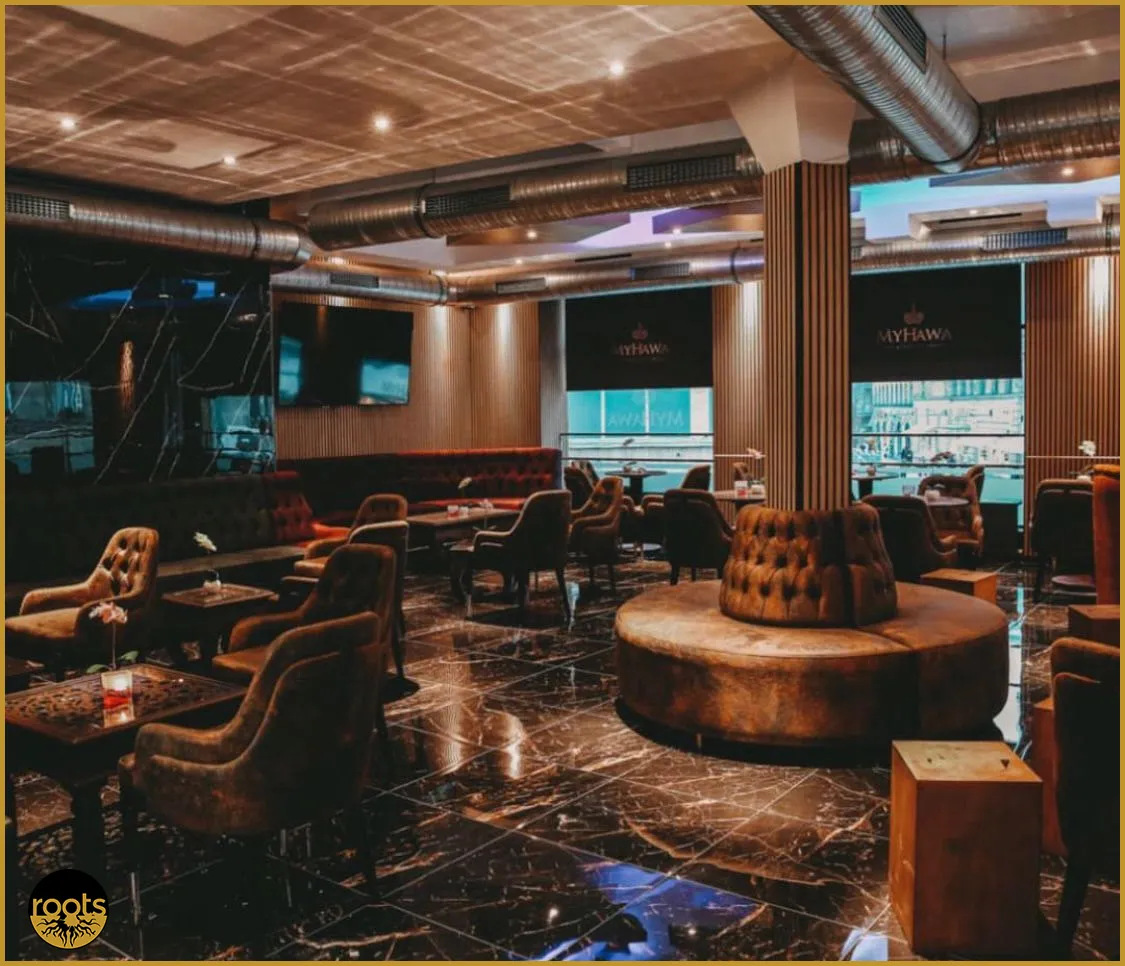
Architectural Restaurant Design: Differentiate Your Venue
The success of your restaurant is not limited to the flavors you offer alone. The atmosphere of the venue, the customer experience and your brand identity are the fundamental elements that determine the potential of your business. At this very point, architectural restaurant design comes into play. A professional interior design can transform your restaurant from being just a dining area into a destination that offers an unforgettable experience.
What Is Restaurant Design and Why Is It Important?
Restaurant design is the process of arranging the venue in the best possible way in terms of both aesthetics and functionality. This process is critically important for meeting customer expectations, increasing operational efficiency and elevating the brand value of your business. A good architectural restaurant design:
- Impresses your customers and offers them a pleasant welcome.
- Optimizes the flow of the venue, ensuring that both customers and staff can move comfortably.
- Reflects your brand identity and helps you stand out from your competitors.
- Offers solutions that comply with food safety and hygiene standards.
- Uses energy efficiency and durable materials that can reduce operating costs in the long term.
Who Is It Suitable For?
Architectural restaurant design appeals to a wide audience, from business owners who want to renovate their existing restaurant to entrepreneurs planning to open a venue from scratch. In particular:
- Restaurants to Be Newly Opened: Those who want to position their brand identity and target audience correctly from the start.
- Those Updating Their Existing Restaurant: Those who want to improve the atmosphere of their venue, increase customer satisfaction or bring a new concept to life.
- Chain Restaurant Brands: Those who want to ensure the same aesthetics and functionality in all their branches in order to offer a consistent brand experience.
- Venues with Different Concepts: For special designs required by every type of concept such as fine dining, bistro, cafe, fast food, steakhouse, vegan restaurant.
Which Needs Does It Meet?
A professional restaurant design offers solutions to many different needs of your business:
- Creating Aesthetics and Atmosphere: It enriches the customer experience by making the overall appearance of the venue attractive.
- Customer Comfort and Flow: It provides comfort in every detail, from seating arrangement to lighting, from noise control to the overall layout of the venue.
- Operational Efficiency: By optimizing the flow between the kitchen, service area and customer areas, it allows staff to work more efficiently.
- Reflecting Brand Identity: The design language of the interior tells the story of your brand and enables you to establish an emotional bond with your customers.
- Maximum Space Utilization: By producing functional and aesthetic solutions even in small or irregular spaces, it ensures that every square meter is used in the best possible way.
- Long-Lasting and Durable Solutions: It helps in selecting materials suitable for intensive use, easy to maintain and durable for many years.
In Which Situations Should It Be Preferred?
If you are considering receiving architectural design services for your restaurant, the following situations may offer strong reasons for you to make this decision:
- When Opening a New Venue: First impressions are very important. The right design maximizes the potential of your brand.
- When You Want to Stand Out in Competition: Differentiating ensures that customers remember you and visit again.
- If Your Existing Venue Is Old or Not Functional: Old interiors can create both aesthetic and practical problems.
- When You Want to Meet the Expectations of Your Target Audience: If you appeal to a specific demographic or lifestyle, the design should reflect these expectations.
- If You Aim to Offer a Better Customer Experience: Comfortable, inviting and memorable venues increase the rate of repeat customers.
What Are Its Differences from Alternatives?
Architectural restaurant design differs from ordinary interior architecture services or mere decoration work. Its main differences are as follows:
- Comprehensiveness: Instead of focusing only on aesthetics, it addresses all functional aspects of the venue (kitchen flow, customer traffic, seating arrangement, lighting, acoustics, etc.).
- Venue-Specific Solutions: Each restaurant's location, concept, target audience and budget are different. Architectural design produces solutions customized according to these factors.
- Long-Term Planning: It considers not only momentary trends but also the future needs and growth potential of the business.
- Cost Effectiveness: Although it requires investment initially, it can reduce costs in the long term through operational efficiency, energy savings and customer loyalty.
- Expertise and Experience: It is carried out by professionals who know the dynamics of the restaurant sector, customer behavior and industry standards.
Things to Consider in Material Selection
In restaurant designs, material selection plays a critical role in terms of both aesthetics and functionality. A comparison of different material types in terms of durability, area of use and cost is presented in the table below:| Material Type | Durability | Indoor/Outdoor Use | Cost | Example Areas of Use |
|---|---|---|---|---|
| Natural Stone (Marble, Granite) | High | Indoor and Outdoor | High | Counters, floors, wall coverings, bar surfaces |
| Wood (Solid, Veneer) | Medium-High (with protection) | Mainly Indoor (outdoor with special treatments) | Medium-High | Tables and chairs, floors, wall panels, bar fronts |
| Ceramic and Porcelain Tile | High | Indoor and Outdoor | Low-Medium | Floors, walls, kitchen counters |
| Concrete (Decorative) | High | Indoor and Outdoor | Low-Medium | Floors, counters, walls, furniture elements |
| Metal (Stainless Steel, Iron) | High | Indoor and Outdoor | Medium-High | Kitchen equipment, lighting elements, furniture details, tables |
| Fabric and Leather | Medium (depending on use) | Mainly Indoor | Medium-High | Seating groups, chair upholstery |
Things to Consider Before Purchasing
When starting an architectural restaurant design project, it is important to pay attention to the following points to make the process more efficient and successful:- Determine Your Budget: Setting a clear budget for design, renovation, furniture and decoration ensures that the process stays under control.
- Clarify Your Business's Concept: Your restaurant's menu, target audience, service style and brand identity form the basis of the design.
- Review References and Portfolios: Understand the style and areas of expertise of the designer or company by reviewing their previous work.
- Communicate and Reach an Understanding: Establishing open and honest communication with the designer ensures that they understand your vision correctly.
- Make a Detailed Contract: Make a contract that includes all details such as project scope, delivery dates, payment plan and change procedures.
- Research the Regulations: Learn about the local zoning, health and safety regulations related to opening and operating a restaurant.
- Do Not Overlook Technical Details: Technical infrastructures such as lighting, ventilation, acoustics, electrical and plumbing systems must be planned during the design process.
Frequently Asked Questions
What stages are included in the restaurant design process?
It generally consists of the stages of survey and analysis, concept development, preliminary project drawings, detailed project drawings, material selection, implementation and project management. Each project may vary.
How long does it take to renovate an existing restaurant?
Depending on the size and scope of the restaurant and the depth of the renovation, it can take from a few weeks to a few months. It is important to allow extra time for possible setbacks during the implementation stage.
Is the design process only about aesthetics?
No, aesthetics is only one part of the design. Architectural restaurant design also covers functionality, customer experience, operational efficiency, budget management and sectoral requirements.
Is it possible to use environmentally friendly and sustainable materials?
Absolutely. Today, by preferring recycled, locally sourced and energy-efficient materials in restaurant designs, it is possible to produce solutions that are both environmentally conscious and provide cost advantages in the long term.
Remember that the architectural design of your restaurant is a physical reflection of your brand. With the right planning and a professional approach, you can create an unforgettable space where your guests will enjoy spending time.











































































