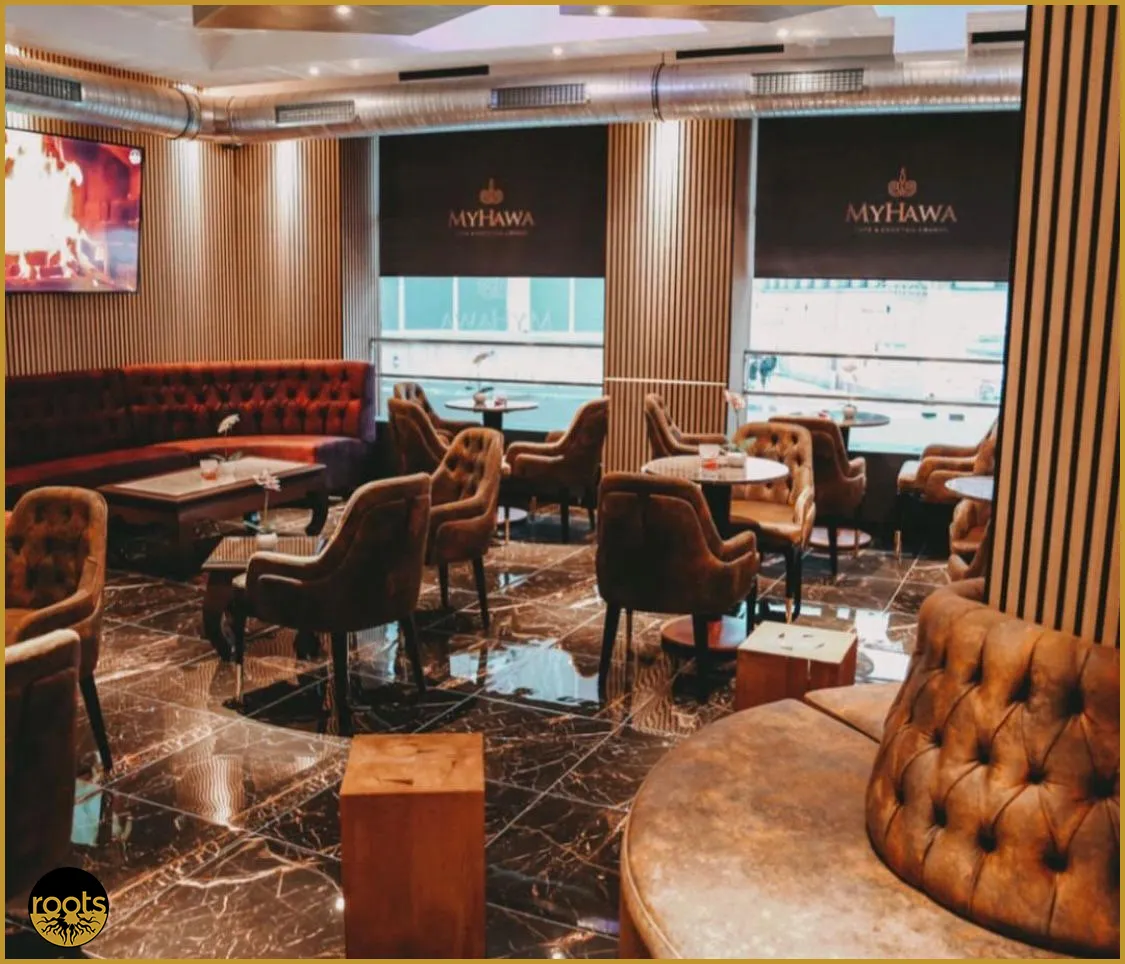
Architectural Restaurant Design and Interior Designs
The success of your restaurant is directly related not only to the flavors you offer, but also to the atmosphere that welcomes your guests and the experience the space provides. Architectural restaurant design forms the foundation of this experience. A well-designed restaurant must be both aesthetically satisfying and operationally efficient. This comprehensive guide aims to help you in the process of choosing the right interior design for your restaurant.
Why Is Restaurant Design Important?
The architectural and interior design of a restaurant is a visual reflection of its brand identity. It creates the first impression of customers, increases their interest in the space and affects the likelihood of them visiting again. A functional design, on the other hand, enables staff to work more efficiently, organizes customer flow and optimizes overall operational costs.
What Does a Comprehensive Restaurant Design Include?
Architectural restaurant design is not limited to the color of the walls or the choice of furniture. This process includes:
- Space Planning: Determining the basic flow such as table layout, placement of kitchen and service areas, entrance and exit points.
- Concept Development: Creating a theme and aesthetic understanding suited to the restaurant's identity, target audience and the cuisine offered.
- Material and Color Selection: Choosing the right materials considering the ambiance, durability and ease of maintenance of the space.
- Lighting Design: Emphasizing the spirit of the space with both functional and atmospheric lighting solutions.
- Acoustic Arrangement: Providing noise control and sound insulation for a comfortable dining experience.
- Ergonomics and Comfort: Details such as seating arrangements and counter heights that ensure the comfort of customers and staff.
- Decoration and Accessories: Artistic touches and decorative elements that support the brand identity.
Who Is It Suitable For?
Architectural restaurant design and interior arrangements are suitable for anyone experiencing the following situations or wishing to achieve these goals:
- Entrepreneurs planning to open a new restaurant.
- Operators wishing to renew the atmosphere of their existing restaurant and improve the customer experience.
- Restaurant owners wishing to strengthen their brand image and differentiate from their competitors.
- Businesses wishing to have a more efficient operational flow.
- Venues wishing to transform their spaces for special events or different concepts.
Which Needs Does It Meet?
Professional restaurant design meets many critical needs:
- Aesthetic Appeal: Offers a visual experience that will impress your guests.
- Brand Loyalty: Encourages customers to connect with the space and come again.
- Operational Efficiency: Optimizes the movement area of staff and increases service speed.
- Customer Comfort: Raises customer satisfaction by creating a comfortable and enjoyable environment.
- Maximum Space Utilization: Ensures the most efficient use of the available space.
- Legal Compliance: Ensuring compliance with safety and accessibility standards.
In Which Situations Should It Be Preferred?
Architectural restaurant design services are of critical importance, especially in the following situations:
- When you want to clarify the identity and concept of your restaurant.
- When you want to make better use of the physical limits of the space.
- If you are experiencing problems in customer flow or need a new arrangement.
- When you think that the atmosphere of your restaurant is not compatible with your current customer profile or target audience.
- When you want to meet modern expectations such as energy efficiency and sustainability.
- When the placement of new kitchen equipment or the rearrangement of the service area is required.
What Are Its Differences from Alternatives?
Different design approaches can be found in the market. Professional architectural restaurant design differs from these approaches in the following aspects:
- Holistic Approach: Focuses not only on aesthetics but also on functionality, human psychology and operational realities.
- Tailor-Made Solutions: Recognizes that every restaurant has its own unique identity and offers custom designs for you instead of standard solutions.
- Technical Expertise: Has in-depth knowledge of technical subjects such as material science, lighting principles and acoustic engineering.
- Market Analysis: Creates strategic designs by taking your target audience, competitors and current trends into account.
- Long-Term Investment: Creates not just a momentary decoration but a value that will support the future of your business.
Material Selection: Durability, Area of Use and Cost
The materials used in restaurant designs directly affect the overall appearance, durability and maintenance of the space. Here is a comparison of some commonly used materials:
| Material Type | Durability (Against Intensive Use) | Indoor Suitability | Outdoor Suitability | Average Cost (Relative) | Features |
|---|---|---|---|---|---|
| Natural Stone (Marble, Granite) | Very High | Very High (Floor, Countertop, Wall) | High (Processed Forms) | High | Prestigious, Aesthetic, Requires Careful Maintenance |
| Wood (Solid, Veneer) | Medium-High (Depending on Type) | Very High (Floor, Furniture, Wall Cladding) | Low-Medium (If Specially Treated) | Medium-High | Warm, Natural, Requires Maintenance |
| Ceramic / Porcelain | High | Very High (Floor, Wall) | High (Types Suitable for Exterior Facades) | Low-Medium | Easy to Clean, Various Patterns |
| Concrete (Polyurethane Coated etc.) | Very High | High (Floor, Countertop, Wall) | High | Medium | Industrial, Modern, Durable |
| Metal (Stainless Steel, Iron) | Very High | High (Furniture, Lighting, Details) | Medium-High (Coated or Special Alloys) | Medium-High | Modern, Industrial, Durable |
| Glass / Mirror | Low-Medium (Scratching, Breakage) | High (Decorative, Partitioning) | Low | Medium | Makes the Space Look Larger, Reflects Light |
Points to Consider Before Purchasing
Paying attention to the following points before purchasing architectural restaurant design or related services will ensure that the process is more efficient and successful:
- Clearly Define Your Needs: Have a clear idea about the current state of your restaurant, your goals, your budget and the atmosphere you want.
- Choose an Experienced Team: Work with an architecture office or designer who specializes in restaurant design, has a strong portfolio and positive references.
- Make a Detailed Contract: Make a written contract that includes the scope, delivery dates, payment plan and revision processes.
- Keep Communication Channels Open: Stay in regular contact with the designer team throughout the design process and clearly state your feedback.
- Set Your Budget Realistically: In addition to the design cost, also take additional costs such as implementation, furniture, lighting and decoration into account.
- Be Flexible: Unexpected situations or new ideas may arise during the design process. Be prepared to be flexible against such situations.
- Research Legal Permits: Obtain information about the municipal permits and regulations required for the renovations or changes to be made.
Frequently Asked Questions
Should I only have decorative changes made in my restaurant, or should I consider an architectural restructuring?
This depends entirely on the condition of your existing space, your goals and your budget. If there are operational problems, poor use of space or a lack of concept, an architectural restructuring will be more effective. If you only want an aesthetic update, decorative changes can also make a difference. A meeting with an architect will show you the most correct path on this matter.
How long does the restaurant design process take?
The length of the design period can vary greatly depending on the scale and complexity of the project and the approval processes. The stages of concept development, architectural drawings, engineering details and material selection can take from a few weeks to a few months. The implementation process, on the other hand, varies according to the size of the project.
Why is lighting so important during the design phase?
Lighting is one of the elements that most affect the atmosphere of a restaurant. Correct lighting can increase the warmth of the space, highlight special areas, make the food look more attractive and improve the overall experience. Both general lighting and accent lighting are an inseparable part of architectural design.
How should I achieve acoustics in my restaurant?
Good acoustics in restaurants is critical for customer comfort. With sound-absorbing materials (carpets, curtains, acoustic panels), correct lighting fixtures and space arrangement, it is possible to reduce unwanted echoes and noise. Sound insulation is also important in relations with neighbouring spaces.











































































