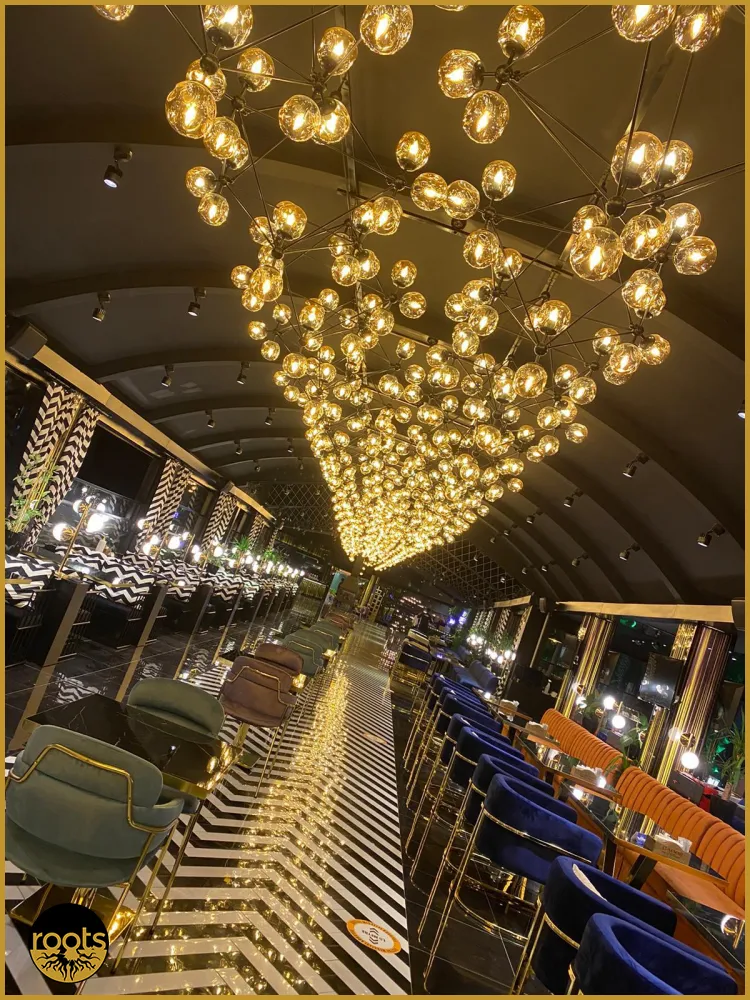
Architectural Restaurant Design and Interiors: A Comprehensive Guide
The success of your restaurant is directly related not only to the flavors you offer but also to its atmosphere. The architectural design and interior arrangement of a venue are the fundamental elements that impress your guests from the very first moment and offer them an unforgettable experience. In this comprehensive guide, we will examine every step you need to consider when creating the ideal architectural design for your restaurant.
What Is Architectural Restaurant Design?
Architectural restaurant design is a process that holistically addresses not only the aesthetic appearance of a dining venue but also its functionality, operational efficiency and guest experience. This design covers both the interior and exterior architecture of the venue, seating arrangements, kitchen layout, service areas and overall atmosphere. A successful architectural restaurant design reflects your brand identity while meeting the expectations of your target audience and contributing to the sustainability of your business.
Why Is Professional Restaurant Design Important?
A well-thought-out restaurant design plays a critical role in the following matters:
- First Impression and Brand Identity: The overall appearance of your venue creates your guests' first impression of your brand. A unique and attractive design increases brand awareness.
- Guest Experience: Comfortable seating areas, appropriate lighting, acoustic arrangements and smooth circulation offer your guests a pleasant experience.
- Operational Efficiency: The layout of the kitchen, the clarity of service routes and the adequacy of staff movement areas accelerate operational processes and minimize errors.
- Functionality of the Venue: The design can offer seating options that appeal to different customer groups (dimly lit corners, communal dining areas, etc.).
- Cost Effectiveness: In the long term, the right material selection and planning can reduce maintenance and operating costs.
Restaurant Interior Designs: Elements That Shape the Atmosphere
Restaurant interior designs create the atmosphere that draws your guests in and encourages them to spend more time in your venue. This is not limited to furniture selection alone; it is achieved through the harmonious use of many elements such as lighting, color palette, textures, decorative elements and sound insulation.
Lighting: Reflecting the Spirit of the Venue
Lighting is one of the factors that most affect the atmosphere of a venue. The right lighting should meet both functional (readable menus, safe passageways) and aesthetic (a warm and inviting environment) needs.
- Ambient Lighting: Provides the general lighting of the venue.
- Task Lighting: Illuminates specific areas such as tabletops and service areas.
- Accent Lighting: Highlights artworks, plants or architectural details.
- Decorative Lighting: Lighting elements with high aesthetic value, such as chandeliers and wall sconces.
Color Palette and Textures: Appealing to the Senses
Colors have a direct effect on human psychology. While warm colors (red, orange) stimulate appetite, cool colors (blue, green) can create a calmer atmosphere. Textures, on the other hand, add depth and richness to the venue; the use of different materials such as wood, metal and fabric offers a rich visual and tactile experience.
Furniture and Seating Arrangement: Comfort and Functionality
Furniture selection should be appropriate to the concept and target audience of the venue. Ergonomic and comfortable sofas, tables and chairs ensure that guests are comfortable for long periods. The seating arrangement should both provide maximum guest capacity and offer privacy and ease of movement.
Acoustics and Sound Insulation: A Comfortable Conversation Environment
A noisy environment can negatively affect the guests' experience. The use of sound-absorbing materials (carpets, fabric panels, special ceiling systems) reduces unwanted echoes and creates a calmer and more enjoyable conversation environment.
In Which Situations Should Architectural Restaurant Design Be Preferred?
A professional architectural restaurant design is especially beneficial in the following situations:
- Opening a New Restaurant: When creating a venue from scratch, making the right planning from the very beginning prevents possible future problems.
- Restructuring an Existing Venue: To modernize an old or outdated venue, to serve with a new concept or to increase operational efficiency.
- Strengthening Brand Identity: To raise the brand value of your existing restaurant, to reach your target audience better and to stand out in competition.
- Improving Customer Experience: To increase guest satisfaction, raise return rates and receive positive reviews.
- Increasing the Efficiency of the Venue: To serve more customers, shorten service times and optimize staff performance.
Types of Materials Used in Restaurant Design
Materials used in restaurant design determine both the aesthetic appearance and durability. Different materials have their own unique advantages and disadvantages.
| Material Type | Durability | Interior/Exterior Architectural Use | Cost (General Assessment) | Prominent Features |
|---|---|---|---|---|
| Natural Stone (Marble, Granite) | Very High | Interior and Exterior | High | Luxurious, Prestigious, Easy to Clean, Durable |
| Solid Wood | High | Interior and Exterior (with appropriate treatments) | Medium-High | Warm, Natural, Aesthetic, May Require Maintenance |
| Laminate / Parquet | Medium-High | Interior | Low-Medium | Various Patterns, Easy to Apply, Resistant to Wear |
| Ceramic / Porcelain Tile | High | Interior and Exterior | Low-Medium | Water Resistant, Easy to Clean, Wide Variety of Designs |
| Concrete / Microcement | High | Interior and Exterior | Medium | Industrial Look, Durable, May Require Special Applications |
| Metal (Stainless Steel, Iron) | Very High | Interior and Exterior | Medium-High | Modern, Industrial, Durable, Aesthetic Applications |
| Glass | Medium-High (depending on thickness and type) | Interior and Exterior | Medium | Light Transmittance, Sense of Spaciousness, Risk of Breakage (safety glass should be preferred) |
Points to Consider in Restaurant Design
The fundamental points that should not be overlooked for a restaurant to be designed successfully are as follows:
- Know Your Target Audience: Your design should appeal to the customer profile you are targeting.
- Determine the Concept of the Space: The design should be compatible with the cuisine, atmosphere and type of service your restaurant offers.
- Balance of Functionality and Aesthetics: The space should both look beautiful and be operationally efficient.
- Ergonomics and Comfort: The comfort of guests and staff should be prioritized.
- Lighting Planning: Lighting solutions suitable for different time periods and needs should be provided.
- Acoustic Management: Keeping noise under control directly affects the guest experience.
- Material Selection: Materials that are suitable in terms of durability, ease of maintenance and aesthetics should be preferred.
- Budget Management: Costs should be kept under control during the design process and long-term benefits should be considered.
- Legal Regulations: Compliance with legal requirements such as fire safety and disabled access should be ensured.
- Get Professional Support: Experienced architects and interior architects make the process more efficient and successful.
In What Ways Does It Stand Out from the Alternatives?
Among the many solutions and services on the market, professional architectural restaurant design stands out in the following ways:
- Holistic Approach: It focuses not only on decorative elements but on all physical and operational aspects of the space.
- Originality and Brand Alignment: Rather than general trends, it creates an identity specific to your brand.
- Long-Term Investment: Instead of short-term solutions, it offers designs that will retain their value for many years and contribute to your business.
- Professional Knowledge and Experience: It is carried out by experts who know current trends in the sector, material knowledge and legal regulations.
- Risk Reduction: By anticipating potential errors and costs, it ensures the project progresses smoothly.
Points to Consider Before Purchasing
If you are considering receiving a restaurant design service, some important points that will facilitate your decision-making process are as follows:
- Portfolio Review: Review the designer's or firm's previous work to assess whether their style suits you.
- Reference Check: Contact the firm's previous clients to learn about their level of satisfaction.
- Detailed Proposal Request: Request a detailed proposal including the project scope, delivery dates, additional services and payment terms.
- Communication and Understanding: Clear and efficient communication with the designer is critical to the success of the project. Make sure they understand you and your vision.
- Contract Details: Make a clear contract covering the scope of services, intellectual property rights and possible changes during the project.
- Budget Setting: Set a realistic budget for design and implementation costs and proceed with your designer within this budget framework.
Frequently Asked Questions (FAQ)
Bringing to life an architectural design that will create an effective and lasting value for your restaurant is one of the most important steps on the path to success. With the right planning, professional support and attention to detail, you can create a space your guests will never forget.











































































