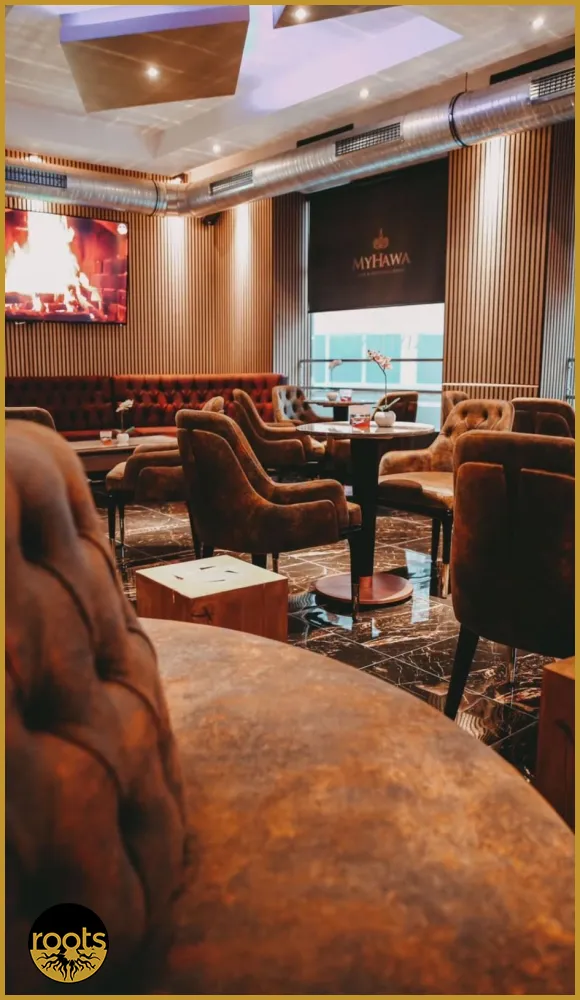
Architectural Restaurant Design and Interior Designs
The success of a restaurant is directly related not only to the flavors it offers but also to its atmosphere. Architectural restaurant design is one of the most critical elements that shape the identity, concept and customer experience of a venue. An impressive interior design is the first step in inviting your customers in while offering them an unforgettable experience. This guide aims to help you make the most suitable design decisions for your restaurant.
What Is Restaurant Design and Why Is It Important?
Restaurant design is a holistic process covering the aesthetic, functional and sensory aspects of dining venues. It includes not only wall color or furniture selection but also lighting, acoustics, seating layout, efficiency of service areas, material selection and creating the overall atmosphere. Good restaurant design:
- Strengthens the brand identity of the venue.
- Increases customer satisfaction and return rates.
- Enables staff to work more efficiently.
- Helps you stand out in competition.
- Positively affects overall business profitability.
Who Is It Suitable For?
Architectural restaurant design and interior designs are suitable for new or existing restaurants, cafes, bars, bistros, patisseries, hotel restaurants, fast food chains and other food and beverage venues of every scale and concept.
- Entrepreneurs planning to open a new restaurant or cafe.
- Business owners who want to renew the atmosphere of their existing venue or change its concept.
- Operators aiming to improve the customer experience.
- Those who want to create a more professional and aesthetic working environment.
What Needs Does It Meet?
Professional restaurant design meets many different needs of your business:
- Venue Functionality: Optimizes operational needs such as the flow of kitchen and service areas, customer circulation and efficiency of seating layouts.
- Aesthetics and Atmosphere: Enables the venue to gain a visual identity that appeals to the target audience and reflects the desired atmosphere.
- Customer Experience: By offering a comfortable and inviting environment, it encourages customers to stay longer and leave positive feedback.
- Brand Perception: Design elevates brand value and prestige, securing a lasting place in the customer's mind.
- Cost Optimization: With the right material selection and planning, it can reduce maintenance and repair costs in the long term.
In Which Situations Should It Be Preferred?
In the following situations, it would be beneficial to proceed with a professional architectural restaurant design process:
- If you think your existing venue is boring or inadequate.
- If you have difficulty reaching your target audience and want to increase the appeal of the venue.
- If you are experiencing operational problems (for example, slow service flow, customers cannot get comfortable).
- If you want to reflect your concept more strongly (for example, rustic, modern, industrial, minimalist).
- If you aim for the venue to gain a new image and make a difference in competition.
Main Types of Materials Used in the Design Process
The materials used in restaurant design directly affect both the aesthetics and durability of the venue. Here are some commonly used material types and their comparisons:
| Material Type | Durability | Interior/Exterior Architectural Use | Cost (Average) | Overall Assessment |
|---|---|---|---|---|
| Natural Wood | Medium (May require maintenance) | Interior (Can also be used outdoors with special treatments) | Medium - High | Creates a warm and natural atmosphere. Adapts to rustic, modern or traditional concepts. |
| Marble / Granite | High | Interior and Exterior | High | Offers a luxurious and sophisticated look. It is durable, but may be susceptible to staining. |
| Concrete (Decorative) | Very High | Interior and Exterior | Low - Medium | Ideal for industrial, modern and minimalist styles. Durable and easy to maintain. |
| Brick (Decorative) | High | Interior and Exterior | Medium | Popular for industrial and rustic spaces. Adds a characteristic texture. |
| Metal (Stainless Steel, Iron, Brass, etc.) | Very High | Interior and Exterior | Medium - High | Used in modern, industrial and stylish designs. Ideal for creating functional and aesthetic elements. |
| Ceramic / Porcelain Tiles | High | Interior and Exterior (Special series) | Low - Medium | Finds wide use on floors and walls. Has a wide variety of colors, patterns and textures. Easy to clean. |
What Are the Differences from Alternatives?
Adopting an architectural approach instead of standard solutions in restaurant design creates differences such as the following:
- Space-Specific Solutions: Instead of ready-made concepts, it offers unique designs suited to the physical characteristics, target audience and brand value of the space.
- Integration of Functionality and Aesthetics: It creates designs that not only look beautiful but also ensure operational efficiency.
- Brand Storytelling: The design language of the space directly conveys the brand's story, values and the experience it offers to the customer.
- Long-Term Investment: Designs made with durable and timeless materials without compromising on aesthetics retain their value for many years.
- Customer Loyalty: An unforgettable atmosphere ensures that customers come not only to eat but also for the space itself.
What Should Be Considered Before Purchasing?
Important points to consider when making a decision about restaurant design or working with a designer are as follows:
- Determine a Clear Concept: Who is your target audience? What kind of atmosphere do you want to offer? Which cuisine will you serve? The answers to these questions form the basis of the design.
- Determine Your Budget: Create a realistic budget that includes all items such as design, renovation, furniture, lighting and decoration.
- Examine the Physical Condition of the Space: What are the advantages and disadvantages of the existing structure? Which areas should be rearranged?
- Know Your Target Audience: Knowing whom the design will appeal to influences many decisions, from material selection to color palette.
- Do Not Ignore Operational Requirements: Practical needs such as kitchen size, service areas, storage and restrooms are critical for the functionality of the design.
- Consider Getting Professional Support: An experienced architect or interior architect both meets your aesthetic concerns and ensures compliance with technical and legal requirements.
- Lighting Planning: Lighting is one of the elements that most affect the atmosphere of a space. Both general lighting and accent lighting should be carefully planned.
- Acoustic Arrangements: Sound echo in restaurants can negatively affect the customer experience. Acoustic arrangements with sound-absorbing materials should be considered.











































































