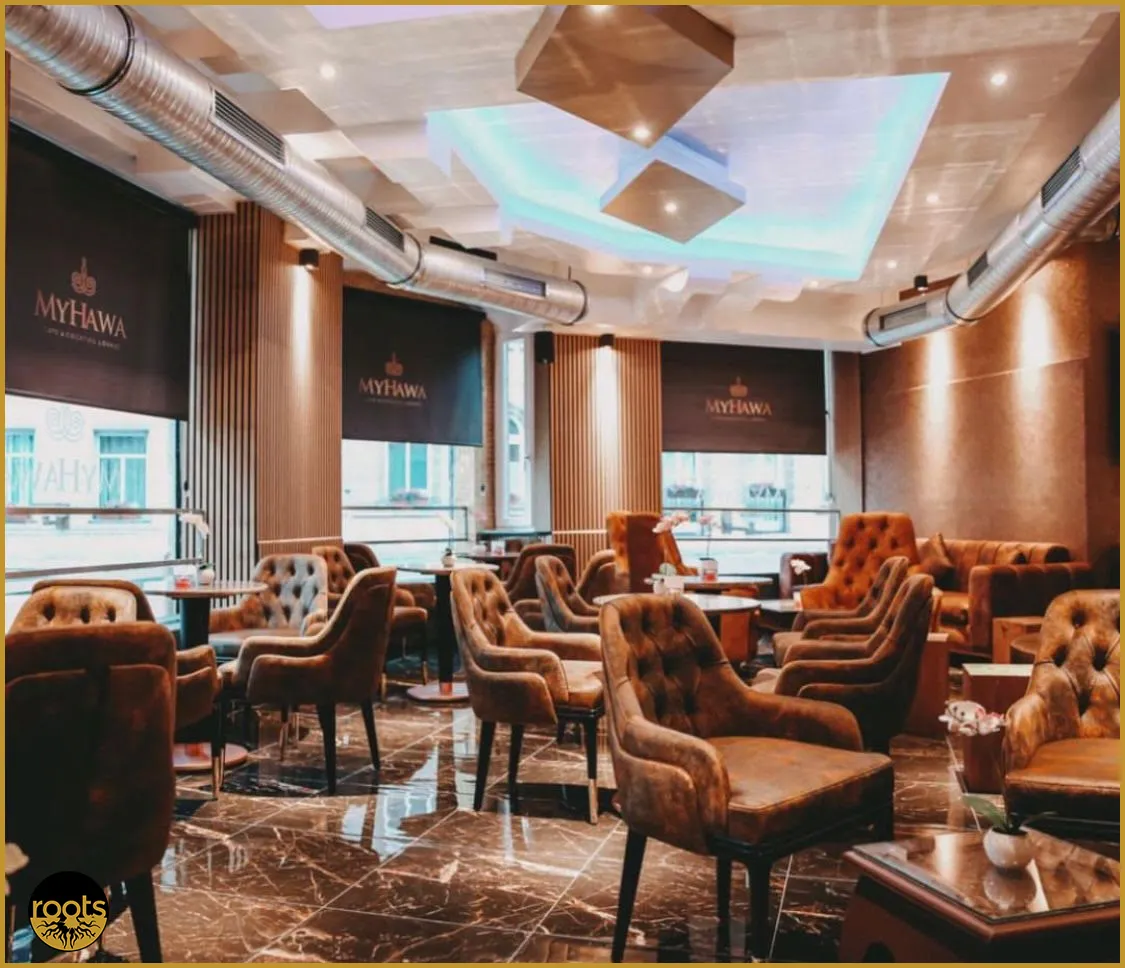
Architectural Restaurant Design: Reflect the Soul of Your Space
The success of your restaurant is directly related not only to the delicious dishes you serve but also to the experience you offer your customers. This is where architectural restaurant design comes into play. The interior of a restaurant is a showcase that reflects your brand's identity, welcomes your guests and makes them feel comfortable. A well-designed space attracts potential customers, satisfies your existing customers and encourages them to visit again.
What Is Restaurant Design and Why Is It Important?
Restaurant design is the process of planning and implementing a dining space in terms of both aesthetics and functionality. This process covers all the elements that make up the space: seating arrangement, lighting, color palette, material selection, decorative elements, layout of kitchen and service areas.
- First Impression: The first impression customers get when they step into the space greatly affects their overall experience.
- Customer Experience: A comfortable seating arrangement, a pleasant atmosphere and a functional flow allow guests to stay longer and have an enjoyable time.
- Brand Identity: Design increases brand awareness and loyalty by reflecting your restaurant's concept, values and target audience.
- Operational Efficiency: A well-planned interior allows your staff to work more efficiently, speeds up service processes and reduces the error rate.
- Competitive Advantage: A unique and striking design that is far from the ordinary sets you apart from your competitors and helps you attract more customers.
Who Is It Suitable For?
Architectural restaurant design appeals to a wide audience, from entrepreneurs planning to open a new restaurant to business owners who want to renovate their existing spaces. Its scope:
- Restaurants, cafes, bars, bistros and fine-dining venues to be newly opened.
- Businesses that want to change or modernize the concept of their existing space.
- Businesses aiming to increase customer satisfaction and operational efficiency.
- Businesses that want to reflect their brand value and identity more strongly.
Which Needs Does It Meet?
Professional restaurant design meets the following basic needs:
- Aesthetic Integrity: It ensures a harmonious and attractive appearance throughout the space.
- Functionality and Ergonomics: It offers ease of use and comfort for both customers and staff.
- Customer Appeal: It ensures that the space appeals to your target audience and welcomes them in an inviting way.
- Spatial Optimization: It optimizes the most efficient use of the available area, both seating capacity and service flow.
- Creating Atmosphere: It creates the desired mood and experience with lighting, music, scent and decorative elements.
- Legal Compliance: Compliance with legal regulations such as fire safety and disabled access is ensured.
In Which Situations Should It Be Preferred?
Investing in restaurant design can be a strategic decision in many situations:
- When Opening a New Restaurant: To reflect your brand's identity correctly from the very beginning and to attract attention from day one.
- When Making a Concept Change: If you plan to change the concept or target audience of your existing restaurant, the space needs to be adapted accordingly.
- In Areas with High Competition: A unique design is needed to differentiate yourself from your competitors and stand out.
- If There Are Customer Complaints or Operational Problems: In situations where customers are uncomfortable, staff are struggling or the space cannot be used efficiently.
- When You Want to Strengthen Your Brand Image: To create a more professional, high-quality and memorable image.
Materials Used in Restaurant Design and Their Comparisons
The materials used in restaurant spaces directly affect both the aesthetic appearance and durability. Here is a comparison of some frequently preferred materials:
| Material Type | Durability (Against Intensive Use) | Indoor Use | Outdoor Use | Cost (Average Level) | Prominent Features |
|---|---|---|---|---|---|
| Natural Stone (Marble, Granite, etc.) | High | Floor, Countertop, Wall Cladding | Suitable (Polished Types for Exterior Facades) | High | Luxurious, Noble Appearance, Easy to Clean (Low Risk of Stain Absorption) |
| Wood (Solid, Veneer) | Medium-High (Depends on Protection and Maintenance) | Floor, Wall Cladding, Furniture, Ceiling | Not Suitable (Except Specially Treated Types) | Medium-High | Warm, Natural, Aesthetic |
| Ceramic and Porcelain | Very High | Floor, Wall Cladding, Countertop | Suitable (Frost-Resistant Types) | Low-Medium | Wide Variety, Hygienic, Easy Maintenance, Water-Resistant |
| Concrete (Polyurethane, Epoxy Coated) | Very High | Floor, Wall | Suitable | Medium | Industrial, Modern, Durable, Stain-Resistant (Depends on Coating) |
| Metal (Stainless Steel, Iron) | High | Countertop, Furniture Legs, Lighting, Decorative Elements | Suitable (If Protected Against Rust) | Medium-High | Industrial, Modern, Durable, Sterile |
| Glass (Tempered, Laminated) | Medium-High (Depends on Area of Use) | Table Surfaces, Partitions, Lighting, Decorative Elements | Not Suitable (Except Special Structures) | Medium | Lightness, Transparency, Modern Appearance |
How Does It Differ from Alternatives?
Every restaurant's needs are unique. A professional architectural restaurant design, unlike standard or ready-made solutions:
- Offers Custom Solutions: Creates a unique design that perfectly fits your concept, target audience and the characteristics of your space.
- Balances Functionality and Aesthetics: Creates a space that is not only beautiful but also operationally efficient and user-friendly.
- Ensures Brand Consistency: Creates an integrated identity with all elements from your restaurant's logo to its colors, from its atmosphere to its menu.
- Creates Long-Term Investment Value: With the right materials and rational planning, a durable, permanent space that preserves its value is created.
- Increases Customer Loyalty: By offering an unforgettable experience, it provides your customers with not just a place to eat, but also a destination where they can enjoy their time.
What Should Be Considered Before Purchasing?
Before receiving an architectural restaurant design service, some important points that will facilitate your decision-making process are as follows:
- Define Your Target Audience: Who do you want to serve? It is critical that the design appeals to this audience.
- Determine Your Brand Identity: What is your restaurant's concept, value and the story it wants to tell? The design should reflect this identity.
- Determine Your Budget: Create a realistic budget covering all costs such as design, renovation and furniture.
- Evaluate the Physical Characteristics of the Space: Factors such as the size and shape of the area, natural light sources and existing infrastructure affect the design.
- Prioritize Functionality: Operational details such as kitchen layout, service routes and the location of restrooms should not be overlooked.
- Review References: Examine the designer's or company's previous projects and their work in similar venues.
- Communication and Trust: Being able to communicate comfortably with the designer and to trust them is important for the success of the project.
- Detailed Contract: Make a contract that clearly specifies the scope, delivery dates, payment terms and revision rights.
- Question Material Selection Criteria: Get information about the durability, maintenance, hygienic properties and aesthetic compatibility of the materials to be used.
Frequently Asked Questions
For your restaurant to become more than just a place to eat, a destination offering an unforgettable experience, architectural restaurant design is one of your most important investments. With the right planning and implementation, you can maximize the potential of your space and increase customer satisfaction and brand value.











































































