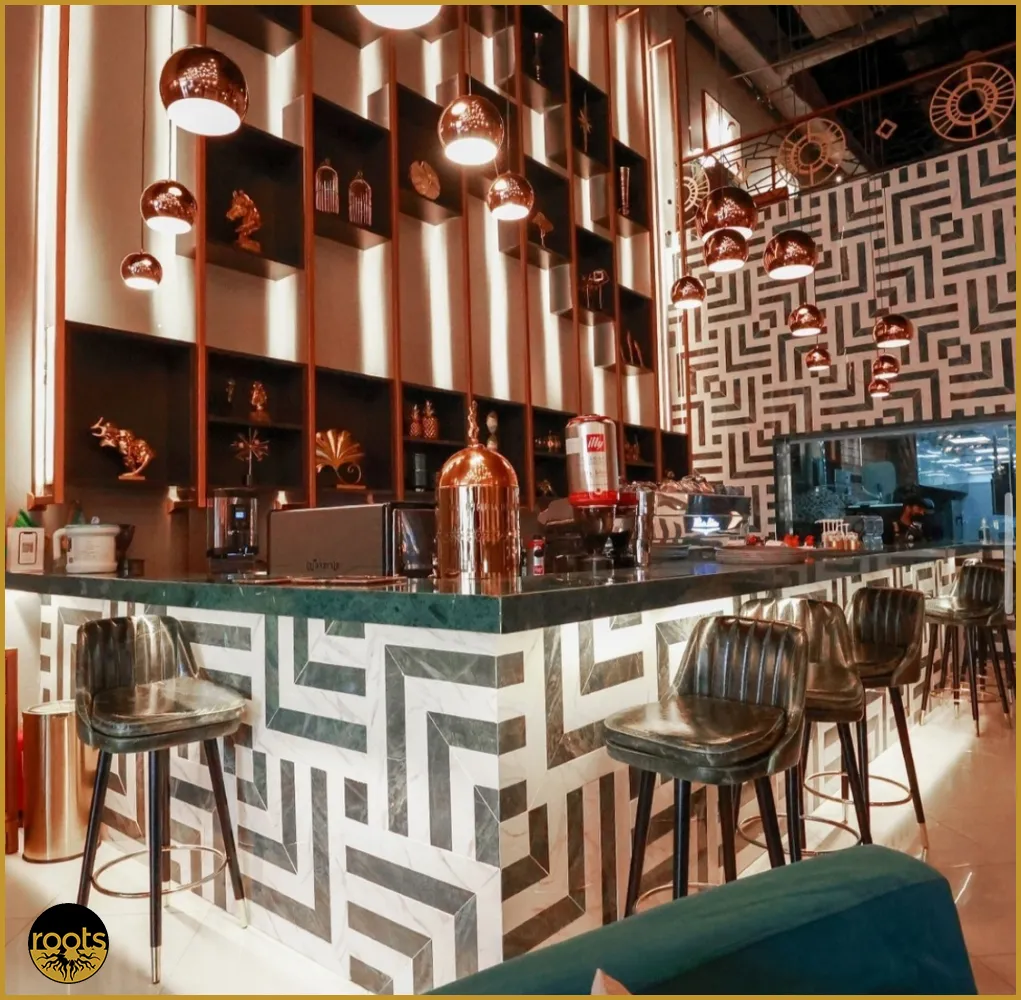
Architectural Restaurant Design: Creating a Successful Dining Experience
One of the cornerstones of success in restaurant management is offering guests an unforgettable experience. One of the most critical elements of this experience is the venue's architecture and interior design. A well-designed restaurant makes a great difference not only aesthetically but also in terms of functionality, brand identity and customer satisfaction. Architectural restaurant design is the art of transforming a venue from merely a place to eat into a memorable destination that tells a story and evokes feelings.
A professional restaurant interior design process begins with an in-depth analysis of the business's vision, target audience and the culinary concept offered. In line with these analyses, all elements such as the venue's atmosphere, flow, lighting, furniture, color palette and material selection are meticulously planned. The goal is not only to create a visually pleasing venue but also to create an environment that increases operational efficiency, allows staff to work comfortably and makes customers feel special.
Why Is Restaurant Design Important?
A restaurant's success is directly related to the venue itself as much as, to a large extent, the quality of the food and service it offers. Here is the critical importance of restaurant design:
- First Impression and Brand Identity: Your restaurant's facade and entrance area create the first impression on potential customers. Your design should reflect your brand's identity, quality and the experience it offers.
- Customer Experience and Satisfaction: Comfortable seating arrangements, appropriate lighting, good acoustics and an aesthetically pleasing atmosphere encourage customers to spend more time in the venue and feel satisfied.
- Operational Efficiency: Smart planning of kitchen and service areas optimizes staff movement, increases service speed and minimizes operational disruptions.
- Competitive Advantage: Having a distinctive and eye-catching design allows you to stand out in a crowded competitive environment.
- Maximizing the Venue's Potential: Architectural design helps use the existing space in the most efficient way, increasing seating capacity and overall functionality.
Who Is It Suitable For?
Restaurant design and interior designs are highly important in the following situations and for the following target audiences:
- Restaurants to Be Newly Opened: For entrepreneurs who want to create a venue from scratch, it is of critical importance in order to establish the brand identity correctly from the start.
- Renovation of Existing Restaurants: Redesigning venues that have become outdated over time, fail to meet customer expectations or experience operational problems.
- Brand Restructuring: Restaurants considering changing the business's concept, target audience or the service offered.
- Venues with Different Concepts: Venues specially designed for all kinds of concepts such as fine dining, bistro, cafe, fast food, steakhouse, fish restaurant and vegan restaurant.
- Businesses with High Quality Expectations: Restaurants aiming to offer their guests a special experience beyond the ordinary.
Which Needs Does It Meet?
A comprehensive architectural restaurant design meets many fundamental needs:
- Aesthetics and Atmosphere: By determining the overall look and feel of the venue, it ensures that guests feel good.
- Functionality and Flow: By optimizing customer and staff flow, it increases operational efficiency.
- Concept Harmony: It offers a design compatible with the restaurant's menu, target audience and brand values.
- Lighting and Acoustics: It provides the right lighting and sound arrangements that improve the dining experience.
- Comfort and Ergonomics: It prioritizes comfort with seating groups, table arrangements and the overall layout of the venue.
- Spatial Optimization: It allows the space to be used in the most efficient way.
In Which Situations Should It Be Preferred?
Restaurant design should definitely be preferred in the following situations:
- When the Venue's Physical Characteristics Are Limited: To make narrow or irregular spaces more functional.
- To Strengthen Brand Perception: To leave a strong and positive impression on the target audience.
- To Stand Out in Competition: To rise above other venues with similar concepts and become an unforgettable place.
- To Increase Customer Satisfaction: To ensure that guests have a pleasant time in the venue.
- Long-Term Investment: To ensure that the venue preserves its value both aesthetically and functionally for many years.
What Are Its Distinguishing Aspects from Alternatives?
Beyond a standard understanding of decoration, professional architectural restaurant design stands out with the following aspects:
- Holistic Approach: It is not limited to furniture selection or color harmony alone; it addresses the spirit of the space, its functionality and brand identity as a whole.
- Personalized Solutions: It is specially designed according to the unique needs and vision of each business.
- Expertise and Experience: Thanks to the technical knowledge, creativity and industry experience of architects and interior architects, creative solutions are produced for unexpected problems.
- Functional Details: Details such as lighting, acoustics, ventilation and floor coverings are planned in a way that directly affects the guest experience and operational efficiency.
- Material and Technology Integration: In addition to durable, aesthetic and modern materials, smart building technologies can also be used to increase the potential of the space.
Material Selection: Durability, Aesthetics and Cost
In restaurant design, material selection directly affects both the appearance of the space and its long-term costs. Here is a comparison of some commonly used material types:
| Material Type | Durability | Interior/Exterior Architectural Use | Cost (Estimated) | Prominent Features |
|---|---|---|---|---|
| Wood (Solid, Veneer) | Medium - High (depending on the area of use) | Mainly interior, exterior with special impregnation | Medium - High | A warm and natural atmosphere, aesthetic variety. May require maintenance. |
| Natural Stone (Marble, Granite, etc.) | Very High | Interior and exterior | High | A luxurious and durable appearance, prestige. May be heavy and difficult to process. |
| Metal (Stainless Steel, Iron, Aluminum) | High | Interior and exterior | Medium - High | A modern and industrial appearance, durability. May give a cold feeling. |
| Ceramic and Porcelain | High | Interior and exterior (non-slip surfaces for exterior) | Medium | Easy to clean, hygienic, a wide range of patterns and colors. There is a possibility of fragility. |
| Concrete (Decorative, Polished) | Very High | Interior and exterior | Low - Medium | A modern, industrial and minimalist appearance. Insulation and surface applications may be required. |
| Glass (Tempered, Laminated) | Medium - High (depending on type) | Interior and exterior (especially in facades and partition walls) | Medium - High | Makes the space feel spacious, transmits light. Provides visual integrity. |
Things to Consider Before Purchasing
Important points to consider before receiving an architectural restaurant design service are as follows:
-
Choosing an Architectural Firm:
- Portfolio Review: Review the firm's previous restaurant projects. Have they done work suitable for your concept and expectations?
- Reference Check: If possible, contact their previous clients and get feedback.
- Communication and Understanding: How well the firm understands your vision and the way they communicate are important.
-
Budget Planning:
- Get a Detailed Quote: Get a detailed quote that includes all items such as design, project management and licensing.
- Unexpected Expenses: Obtain information about possible additional costs that may arise during the project process.
- Material and Furniture Budget: In addition to the design, plan the budget for the materials and furniture to be selected separately as well.
-
Legal Processes:
- Licensing: The architectural firm's knowledge and experience regarding the compliance of the design with zoning, municipal and other legal regulations are important.
- Permits: Obtain information about all permits and documents that may be required.
-
Space Analysis:
- Current Situation: Work together with the architect on the current physical condition of the space, its strengths and weaknesses.
- Potential: Exchange ideas on how efficiently the space can be used and what potential it has.
- Delivery Time: Get clear information about which stages the project will go through and the estimated delivery times.
Frequently Asked Questions
One of the most important steps you will take for the success of your restaurant is professional architectural restaurant design that reflects the spirit and identity of your space while also offering your guests an unforgettable experience. This investment is one of the most valuable contributions to the future of your business.











































































