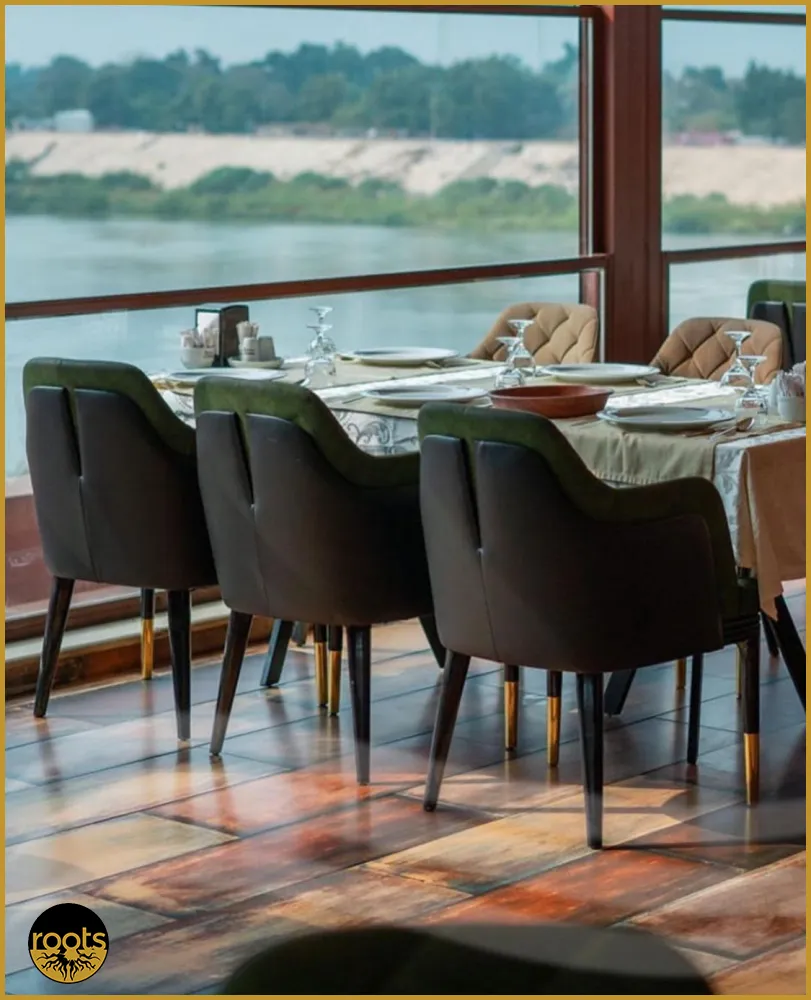
Architectural Restaurant Design: Spaces That Bring Together Aesthetics and Functionality
The success of your restaurant is directly related not only to the flavors you offer but also to the atmosphere that welcomes your guests. Architectural restaurant design aims to maximize operational efficiency and customer experience while determining the aesthetic identity of the space. This comprehensive guide will address the intricacies of restaurant design, which needs it meets, and how it will help you make the most accurate decision for yourself.
Restaurant interior designs include elements that reflect the spirit of a space, draw your guests in, and encourage them to stay longer. This is not limited to the selection of furniture; it covers many different components such as lighting, color palette, material selection, flow, and acoustics.
What Does Restaurant Design Do?
Effective restaurant design;
- Strengthens Brand Identity: The design of the space visually communicates your restaurant's concept, mission, and target audience.
- Improves Customer Experience: A comfortable, inviting, and aesthetic environment makes your guests more satisfied and ensures they come back.
- Increases Operational Efficiency: Smart planning of the kitchen, service area, and seating layout allows your staff to work more effectively.
- Provides a Competitive Advantage: A unique and memorable design helps you stand out from your competitors.
- Maximizes the Potential of the Space: Seating capacity can be increased by utilizing unused areas and with the right layout plan.
Who Is It Suitable For?
Architectural restaurant design is valuable for businesses of every scale and every concept. Among these:
- Restaurants to Be Newly Opened: When creating a space from scratch, it is important to reflect the brand identity correctly.
- Those Who Want to Renovate Their Existing Restaurant: Those who want to gain new momentum by updating old or outdated designs.
- Businesses Making a Concept Change: Those transitioning to a different cuisine type or service model.
- Those Aiming for Brand Strengthening: Those who want to reach wider audiences by increasing the aesthetic and atmospheric value of their restaurant.
- Fine Dining and Special Experience Venues: Businesses that aim to offer their guests an unforgettable atmosphere.
Which Needs Does It Meet?
Good restaurant design meets the following basic needs:
- Spatial Planning: Positioning the kitchen, service areas, bar, restrooms, and seating areas in the most efficient way.
- Creating Atmosphere and Ambiance: Creating the desired mood with lighting, colors, textures, and decorative elements.
- Comfort and Ergonomics: Ensuring that guests sit comfortably and that your staff can move easily.
- Acoustic Arrangement: Providing a pleasant conversation environment by keeping noise under control.
- Aesthetic Harmony: Ensuring that all design elements are compatible with each other and support the brand's identity.
- Functionality: The selection of easy-to-clean and durable materials supports operational continuity.
In Which Situations Should It Be Preferred?
The importance of restaurant design becomes even more evident, especially in the following situations:
- Intensely Competitive Environment: In situations where competition in the sector is high, a unique design is essential to stand out.
- Appealing to a Specific Target Audience: For example, the design needs of a cafe aimed at young people and a more sophisticated fine dining restaurant will be different.
- Limitations of the Existing Space: If you have a small or unusual area, architectural design plays a critical role in maximizing the potential of the space.
- Launching a New Concept: The success of a concept often depends on how well its design reflects this concept.
In Which Aspects Does It Differ from Alternatives?
Restaurant design is a more comprehensive approach that is not limited to decoration. While decoration focuses more on aesthetic elements, architectural design:
- Offers a Holistic Approach: It addresses all functional and aesthetic aspects of the space together.
- Prioritizes Operational Efficiency: It also considers operational elements such as flow, layout plan, and material selection.
- Produces Long-Term Solutions: It focuses not only on current trends but also on long-term needs such as durability and functionality.
- Ensures Legal Compliance: It takes into account legal regulations such as suitability for the intended use of the space, safety, and accessibility.
Other alternatives may include more superficial approaches such as only furniture selection or color arrangement. However, architectural design covers all details starting from the fundamental structure of the space.
Material Selection: Durability, Aesthetics, and Cost
Material selection in restaurant design is of great importance for both aesthetic appearance and long-term cost. You can examine the prominent features of different materials in the table below:
| Material Type | Durability | Interior/Exterior Architectural Compatibility | Cost (Estimated) | Prominent Features |
|---|---|---|---|---|
| Natural Stone (Marble, Granite, etc.) | High | Both Interior and Exterior | High | Luxurious and Prestigious Appearance, Long-Lasting |
| Wood | Medium-High (Depending on Coating and Processing) | Mainly Interior (Exterior Facade with Special Treatment) | Medium-High | Warm and Natural Atmosphere, Various Tones and Textures |
| Ceramic / Porcelain | High | Both Interior and Exterior (Special Series) | Medium | Easy to Clean, Wide Range of Patterns and Colors, Hygienic |
| Metal (Stainless Steel, Iron, etc.) | High | Both Interior and Exterior | Medium-High | Industrial and Modern Appearance, Durable |
| Concrete / Microcement | High | Both Interior and Exterior | Medium | Industrial, Minimalist and Modern Styles, Durable |
| Decorative Plaster / Paint | Medium | Mainly Interior | Low-Medium | Various Textures and Color Effects, Easy to Apply |
What Should Be Considered Before Purchasing?
Paying attention to the following points before starting a restaurant design project will increase your chances of success:
- Define a Clear Concept: Clearly define who your restaurant will be, which cuisine it will offer and its target audience.
- Determine Your Budget: Create a realistic budget for design, implementation and possible renovations.
- Get Professional Support: Working with experienced architects and interior designers allows you to maximize the potential of your space.
- Plan Customer Flow and Ergonomics: Create a layout where guests and staff can move comfortably.
- Pay Attention to Lighting: Lighting is one of the most important elements that determine the atmosphere. The right lighting should be both functional and aesthetic.
- Ensure Acoustic Comfort: Design a space where noise is kept under control and a comfortable conversation environment is offered.
- Do Not Overlook Functionality in Material Selection: Durability, cleanability and ease of maintenance are as important as aesthetics.
- Check Compliance with Legal Regulations: Make sure you comply with the relevant regulations on issues such as fire safety and disabled access.
Frequently Asked Questions (FAQ)
How long does restaurant design take?
Is it costly to renovate the design of an existing restaurant?
What type of lighting is suitable for restaurants?
What is the importance of acoustics in restaurants?
In order to maximize the potential of your restaurant and offer your guests an unforgettable experience, architectural restaurant design should be seen as a critical investment. Every detail of your space will be a reflection of your brand.











































































