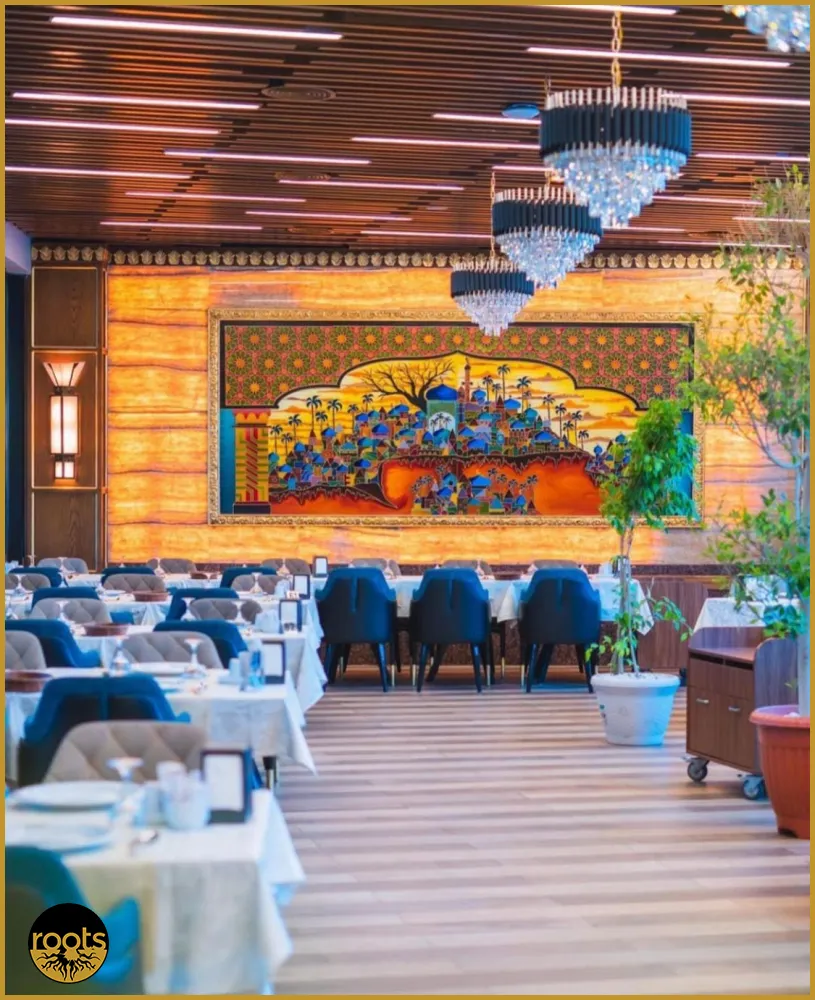
Architectural Restaurant Design and Interior Dynamics
The success of a restaurant is directly related to the physical experience it offers its guests as much as the quality of the menu it serves. Architectural restaurant design is not only an aesthetic concern, but also an engineering process that manages operational efficiency and customer psychology. A properly planned interior is the most fundamental element that affects the time a customer spends in the space, their perception of comfort, and even their ordering habits.
Why Are Restaurant Interior Designs Important?
As a commercial enterprise, design in restaurants creates the identity of the space. Users identify the space with how they feel when they enter it. Architectural touches bring this feeling under control with details such as lighting, acoustic arrangements and furniture placement. A good design meets the following basic needs:
- Operational Flow: Optimizing the traffic between the kitchen and the service area increases staff speed while preventing confusion.
- Brand Identity: Design embodies the brand by speaking a language compatible with the culinary culture presented (Fine-dining, Fast-food, Bistro, etc.).
- Customer Comfort: Ergonomic furniture and proper climate control increase the likelihood of customers returning.
Key Elements to Consider in the Design Process
Before starting a restaurant project, a bridge must be built between the physical boundaries of the space and the targeted concept. The critical points to consider when planning the space are as follows:
- Zoning (Partitioning): The entrance reception area, main dining hall, bar section and service corridors must be separated in a way that does not obstruct one another.
- Acoustic Planning: Noise pollution is one of the biggest complaint issues in restaurants. Background noise should be minimized with sound-absorbing panels and the right flooring materials.
- Lighting Design: The color and intensity of light affect the appetizing appeal of the food. While accent lighting ensures focus on the table, ambient lighting determines the overall spirit of the space.
- Material Selection: The selected materials must be suitable for intensive use, cleanable and compliant with hygiene standards (HACCP, etc.).
Material Selection and Comparison
The materials preferred in restaurant interiors determine both the cost and the long-term service life. The following table compares some frequently used material types according to their characteristics:
| Material Type | Area of Use | Durability Level | Cost Scale | Advantage |
|---|---|---|---|---|
| Natural Wood | Floor, Furniture, Wall | Medium (Requires Maintenance) | High | Provides a warm and prestigious atmosphere. |
| Industrial Steel | Kitchen, Bar, Decorative | Very High | Medium - High | Hygienic, modern and long-lasting. |
| Ceramic / Porcelain | Floor, Wet Areas | High | Low - Medium | Easy to clean, resistant to wear. |
| Composite Panels | Ceiling, Wall Cladding | High | Medium | Acoustic performance and speed of application. |
The Difference Between Professional Design and Standard Solutions
When a restaurant owner chooses an architectural design instead of standard decoration solutions, they are actually buying efficiency. Architectural design optimizes the space's gain per square meter. For example; while an incorrect table layout can reduce capacity by 15%, a professional layout plan allows more guests to be hosted in the same area without compromising comfort.
Roadmap to Follow in the Purchasing and Decision Process
Reviewing the following items before receiving architectural design services or moving to the implementation phase will reduce investment risk:
- Target Audience Analysis: How long will your customers stay in the venue? Is fast turnover the goal, or a long-lasting experience?
- Kitchen and Service Balance: Approximately 30%-40% of the total area should be allocated to the kitchen and support units. Making the dining area larger than necessary can cause service disruptions.
- Licensing and Technical Infrastructure: Legal requirements such as ventilation capacity, fire exits and disabled access must be at the center of the design.
- Budget Management: In the design, a budget should be allocated not only to visuals but also to plumbing and infrastructure items, which are hidden costs.
Frequently Asked Questions
1. How long does it take to complete a restaurant design?Depending on the size and scope of the project, the design process generally ranges from 4 to 8 weeks. The implementation process is added to this period depending on the procurement time of the selected materials.
2. Which colors should be preferred in the design?Color selection depends on the restaurant's concept. While warm colors (red, orange) are appetite-stimulating and energizing; pastel tones and cool colors offer a longer, calmer dining experience.
3. Can the design of an existing restaurant be changed?Yes, the identity of the venue can be completely changed with "renovation" projects. During this process, how much of the existing infrastructure can be preserved is determined through a professional assessment.
4. What design strategy should be followed for small venues?In small venues, a sense of spaciousness is created by using mirrors, light color palettes and modular furniture. Floor space is relieved by using vertical areas for storage or decorative purposes.
In conclusion, restaurant interior design is one of the most critical investments for the sustainability of a business. At the point where design meets functionality, both a profitable model for the business owner and an unforgettable experience space for guests are created. During the decision-making stage, a professional approach should be preferred that anticipates not only today's trends but also the wear and tear of the venue in the coming years and its need for change.











































































