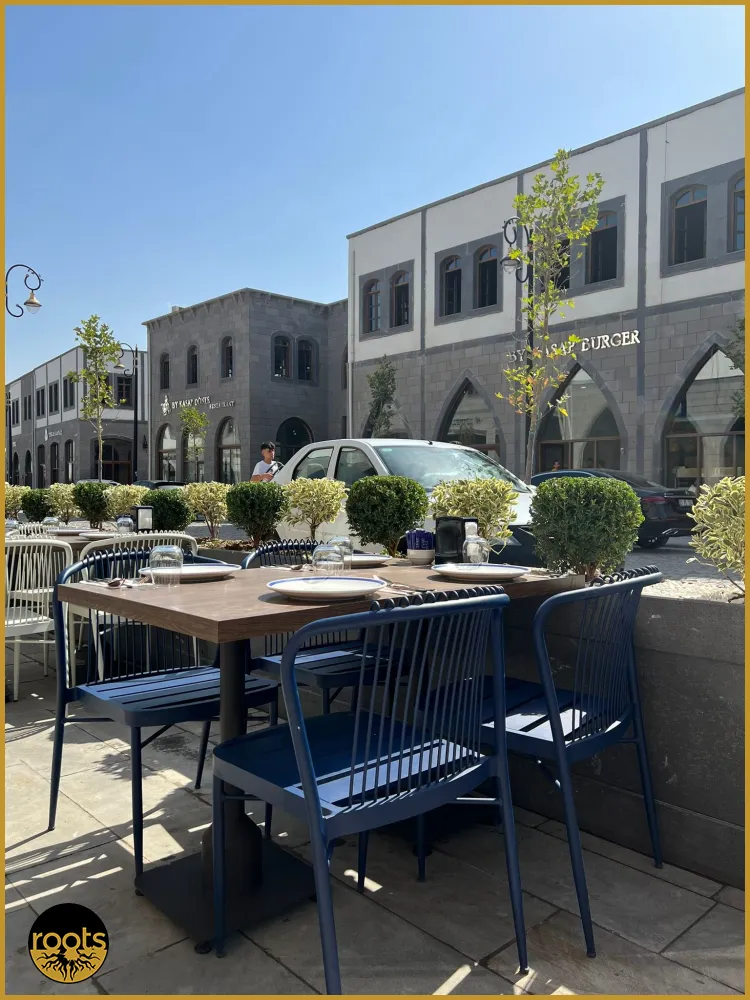
Architectural Restaurant Design: Spaces That Reflect Your Business Identity
One of the foundations of success in restaurant management is creating a space that impresses your guests and encourages them to visit again and again. Architectural restaurant design is much more than just building walls and placing furniture. It is a holistic process that brings together aesthetics, functionality and brand identity, defining the spirit, concept and experience a restaurant will offer. In this comprehensive guide, you will find answers to all your questions about a restaurant's interior design and information to support your decision-making process.
What Is Restaurant Design and Why Is It Important?
Restaurant design is the whole of architectural and interior architectural elements that shape the overall appearance, atmosphere, functionality and customer experience of a dining venue. A successful restaurant design:
- Strengthens Brand Identity: Tells your brand's story through materials, colors and objects suited to your concept.
- Enhances Customer Experience: Raises guest satisfaction with comfortable seating areas, effective lighting, proper acoustics and smooth service areas.
- Provides Operational Efficiency: Optimizes the flow between kitchen, service and customer areas, allowing staff to work more efficiently.
- Offers a Competitive Advantage: A unique and memorable space enables you to stand out from your competitors.
- Accelerates Return on Investment: An aesthetic and functional design positively affects your profitability by attracting more customers and increasing the average spend.
Who Is Restaurant Design Suitable For?
Restaurant design appeals to a wide audience, from entrepreneurs planning to open a new restaurant to operators who want to renovate their existing spaces. Professional design support is especially important in the following situations:
- Those Opening a New Restaurant: To make the best use of brand identity, target audience and the venue's potential when creating a concept from scratch.
- Those Wanting to Renovate Their Existing Restaurants: To change old or outdated decoration, improve customer flow or rebrand with a different concept.
- Those Doing Coupon or Brand Updates: Those who want to refresh their business's image and strengthen their position in the market.
- Those Wanting to Differentiate in the Food Sector: Those aiming to stand out by offering not only flavor but also a unique atmosphere.
- Those Paying High Rents or Located in High-Potential Venues: Those who want to maximize the advantages the venue offers and maximize return on investment.
Key Elements to Consider in Restaurant Design
A successful restaurant design requires a delicate balance that brings together many different elements. Here are the main elements to consider:
1. Determining the Concept and Target Audience
The first step of the design process is to clearly define your restaurant's concept and target audience. Will you be fine dining, a casual bistro, or a cafe offering fast service? The demographic characteristics (age, income level, lifestyle) and expectations of your target audience will directly influence the design language.
2. Space Planning and Flow
Space planning is critical to ensuring the restaurant operates efficiently in functional terms. Proper planning of the flow between the kitchen, service areas, seating arrangements, restrooms and entrance/exit areas directly affects both staff efficiency and customer experience.
- Entrance and Welcome Area: Creates guests' first impression. It should be inviting and in harmony with your brand.
- Seating Areas: Should be arranged in a variety and comfort that appeals to different customer groups (couples, families, groups).
- Service Paths: Should be wide enough for staff to move comfortably without disturbing customers.
- Kitchen and Service Area Connection: Should be designed to ensure orders reach the table from the kitchen as quickly and smoothly as possible.
- Restrooms: Should be clean, well-maintained and in harmony with the venue's overall aesthetic.
3. Lighting Design
Lighting is one of the most powerful tools that determine a venue's atmosphere. Both general lighting and special accent lighting enrich the restaurant's ambiance.
- General Lighting: Provides the overall brightness of the venue.
- Task Lighting: Lighting aimed at functional needs such as ease of reading at tables.
- Accent Lighting: Used to highlight artworks, plants or architectural details.
- Decorative Lighting: Elements such as chandeliers and pendants that add aesthetic value to the venue.
4. Color and Material Selection
Colors and materials determine the spirit and warmth of the restaurant. The color palette and materials to be used must be compatible with your concept and meet the expectations of your target audience.
- The Psychology of Colors: While warm colors can increase appetite, cool colors can create a calmer atmosphere.
- Material Selection: Factors such as durability, ease of maintenance, aesthetics and cost should be taken into consideration. While natural materials (wood, stone) add warmth, metal and glass offer a modern look.
5. Acoustic Design
Acoustics is a factor that should not be overlooked for customer comfort, especially in busy and crowded restaurants. High noise levels can cause customers to have difficulty conversing and negatively affect the overall experience. A calmer and more pleasant environment can be created by using sound insulation and absorbent materials.
6. Furniture and Seating Layout
Furniture selection is important in terms of both aesthetics and comfort. Ergonomic and durable furniture should be preferred. The seating layout, on the other hand, should use the capacity of the space in the most efficient way while also ensuring the comfort of guests.
7. Restroom Design
Restrooms give an important clue about the cleanliness and standards of the restaurant. The fact that this area is also compatible with the general design of the space, clean, spacious and well lit increases customer satisfaction.
Comparison of Different Material Types
The materials used in restaurant design directly affect the appearance, durability, maintenance and cost of the space. Here is a comparison of some commonly used material types:
| Material Type | Durability | Interior/Exterior Architectural Use | Cost | Example Areas of Use |
|---|---|---|---|---|
| Wood | Medium-High (depending on treatment) | Both interior and exterior (after treatment) | Medium-High | Table and chair surfaces, wall coverings, bar counters, flooring |
| Natural Stone (Marble, Granite, etc.) | Very High | Both interior and exterior | High | Table surfaces, bar counters, flooring, wall coverings |
| Metal (Stainless Steel, Iron, etc.) | Very High | Both interior and exterior | Medium-High | Table legs, chair frames, lighting fixtures, decorative elements |
| Concrete and Decorative Plasters | High | Both interior and exterior | Low-Medium | Wall coverings, flooring, counter surfaces |
| Ceramic and Porcelain | High | Both interior and exterior (frost-resistant ones) | Low-Medium | Flooring, wall coverings, counter surfaces |
| Glass | Medium (can be fragile) | Both interior and exterior | Medium | Windows, doors, partitions, table surfaces, lighting elements |
| Fabric and Upholstery | Medium (depending on use) | Generally interior | Medium-High | Chair and armchair upholstery, curtains |
Question & Answer Section
Aspects That Set It Apart from Alternatives
A professional architectural restaurant design is distinguished from ordinary decoration or haphazard arrangements in the following ways:
- Holistic Approach: It focuses not only on visual beauty but also on the functionality of the space, customer experience, brand identity and operational efficiency.
- Target Audience Focus: The design offers customized solutions by taking into account the expectations, lifestyle and preferences of the business's target audience.
- Technical Knowledge and Expertise: It uses technical knowledge in subjects such as material science, lighting principles, acoustic engineering, ergonomics and ergonomic design.
- Brand Integration: It creates a consistent visual language that reflects the restaurant's concept, values and identity.
- Increasing Investment Value: An aesthetic and functional design supports the return on investment in the long term by increasing customer loyalty and creating a positive image.
Things to Consider Before Purchasing
Before receiving restaurant design services or starting a design project, it is important that you pay attention to the following points:
- Determine a Clear Concept and Vision: Determine in advance what kind of restaurant you want to open, your target audience and your budget.
- Review References: Evaluate the style and area of expertise of the designer or company by reviewing their previous restaurant projects.
- Communication and Understanding: Make sure that you can establish open and honest communication with the designer. Observe whether they can correctly understand your vision.
- Get a Detailed Proposal: Get a clear proposal regarding the scope of service, delivery times and payment terms.
- Make a Contract: Make an official contract containing the terms of the agreement. This provides assurance for both parties.
- Be Flexible: Being open to creative suggestions throughout the design process can enable you to encounter unexpected and better solutions.
A successful architectural restaurant design is an investment in not only the present but also the future of your business. With the right planning, vision and professional support, you can create a space that impresses your guests, offers unforgettable experiences and carries your business to success.











































































