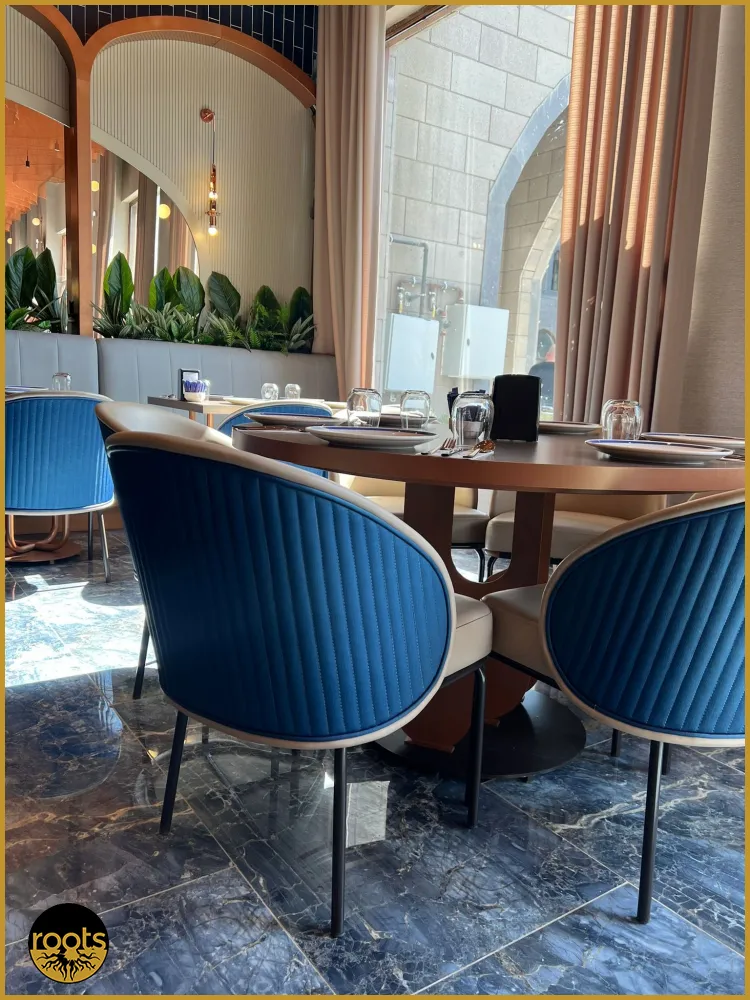
Architectural Restaurant Design and Interior Strategies
The success of a restaurant business is directly related to the design of the physical environment in which those flavors are served, as much as the quality of the flavors offered. Architectural restaurant design is not just a process of creating a visual aesthetic; it is the discipline of giving physical form to customer experience, operational efficiency and brand identity. A correctly planned interior is the fundamental element that determines the time guests spend in the space, their perception of comfort and therefore their loyalty to the business.
In modern restaurant projects, the design process covers a very wide range, from lighting to acoustics, from kitchen layout to furniture selection. The aim in this process is to offer guests a peaceful and inviting atmosphere while maximizing the square meter efficiency of the space.
What Does Restaurant Interior Design Cover?
A professional interior design consists of various sub-components that work in harmony with each other. Each of these components should be customized according to the concept and target audience of the business:
- Space Planning and Circulation: Ensuring that the service routes of waiters and the movement areas of customers do not overlap is critical for operational speed.
- Lighting Engineering: Layered lighting solutions that highlight the presentation of dishes and add depth to the space.
- Acoustic Arrangement: Establishing a sound balance where customers can hear each other comfortably but are not disturbed by ambient noise.
- Material and Texture Selection: Determining surfaces that comply with hygiene standards, are durable and meet aesthetic expectations.
- HVAC (Air Conditioning) Integration: Engineering solutions that prevent kitchen odors from leaking into the dining area and provide the ideal heat balance.
Why Should a Professional Design Be Preferred?
Although amateurishly prepared spaces may seem like a cost advantage at first, they can lead to serious operational problems in the long run. Getting architectural design support is of vital importance, especially in order to meet the following needs:
First of all, optimization of operational flow comes. Incorrect construction of the distance between the kitchen and service extends service time and increases staff fatigue. Secondly, strengthening of brand identity is aimed. The spirit of an Italian trattoria and a modern fine-dining restaurant must differ through the materials and color palette used. Finally, including legal and technical requirements (fire regulations, disabled access, municipal permits) in the project from the start prevents high-cost renovations that may arise later.
Material Comparison and Usage Criteria
| Material Type | Durability | Area of Use | Cost Axis |
|---|---|---|---|
| Natural Wood (Solid) | Medium - Requires regular maintenance | Interior, Table, Panel | High |
| Industrial Metal / Steel | Very High | Outdoor, Kitchen, Decorative | Medium |
| Porcelain / Ceramic | High - Hygienic | Floor, Wet areas | Economical - Medium |
| Marble and Natural Stone | High - Prestigious | Bar counter, Entrance area | Very High |
| Fabric and Upholstery (Velvet/Leather) | Low-Medium (Depends on circulation) | Booths and Chairs | Variable |
Things to Consider Before Purchasing and Implementation
Evaluating the following criteria before investing in a design or restoration service will accelerate the return on your investment (ROI):
- Target Audience Analysis: Does your venue promise fast consumption (Fast-casual) or a long-lasting experience (Fine-dining)? Furniture comfort should be selected according to this analysis.
- Cost and Quality Balance: Choosing only the cheapest material will cause wear and tear within a few months in an area with high turnover. "Commercial grade" certified products should be preferred.
- Ease of Maintenance: The selected surfaces being easy to clean saves time in the restaurant sector, where hygiene is the most important criterion.
- Future Compatibility: By choosing modular designs, keep the possibility of making concept changes with small touches in the years ahead.
Frequently Asked Questions
In conclusion, restaurant interior design is not a luxury but a commercial necessity. A correctly constructed venue provides both operational ease for the business owner and creates a lasting brand image in the customer's mind. Managing architectural processes with a professional perspective guarantees the flawless combination of aesthetics and functionality.











































































