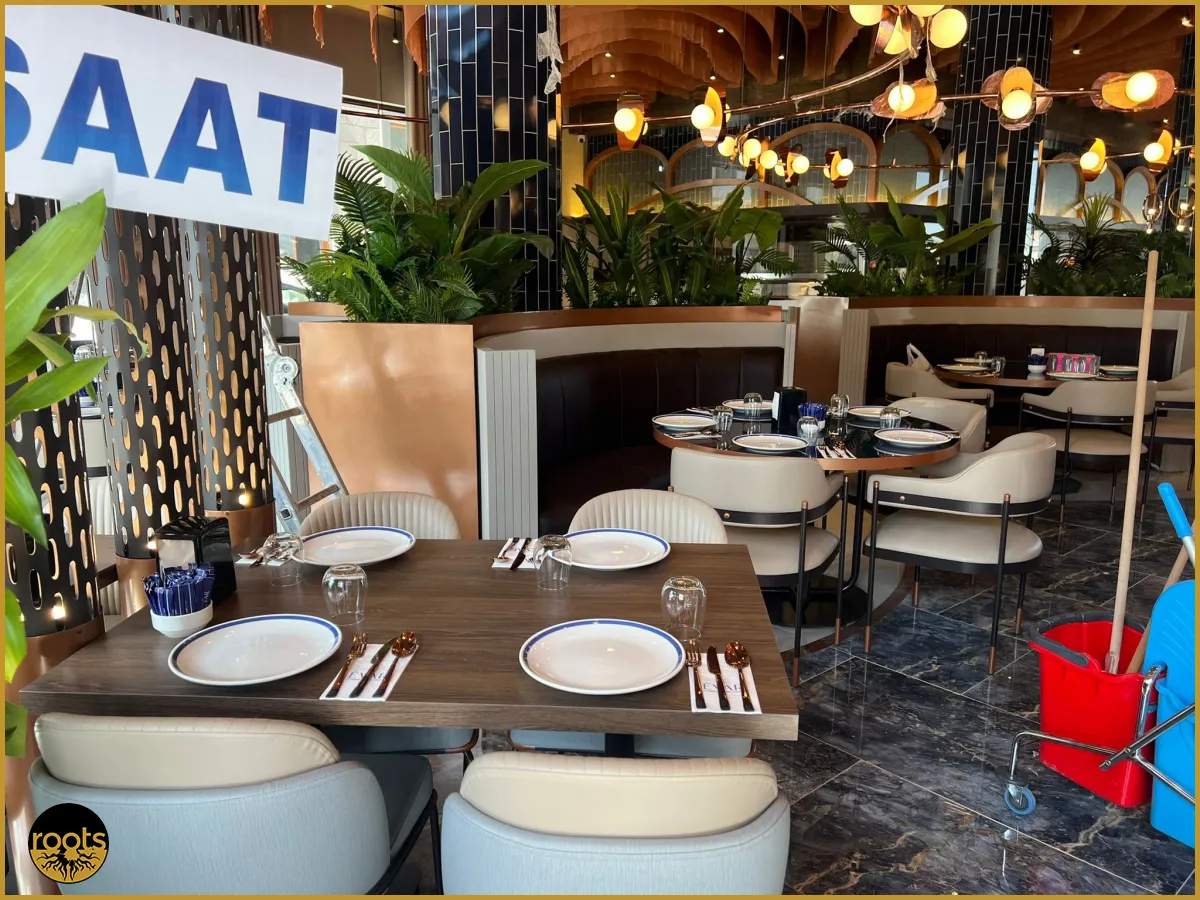
Architectural Restaurant Design: Where Aesthetics and Functionality Meet
The success of your restaurant is directly related not only to the flavors you offer but also to the overall experience you present to your guests. One of the cornerstones of this experience is architectural restaurant design and carefully crafted restaurant interior designs. The atmosphere of a restaurant is a sensory journey that begins the moment guests first see the space and continues until they leave. For this journey to be flawless, it is critical that the space be both aesthetically appealing and functionally organized.
A professional architectural approach allows you to create a space that sets your restaurant apart from competitors, strengthens your brand identity, and meets the expectations of your target audience at the highest level. In this comprehensive guide, you will find insights into the finer points of restaurant design, the elements to pay attention to, and the information that will help you make the right decisions.
The Importance and Fundamental Goals of Restaurant Design
Restaurant design is much more than just painting walls or placing furniture. A comprehensive design process takes into account the overall concept of the space, brand identity, target audience, operational needs, and even kitchen flow. A successful restaurant design serves the following fundamental goals:
- Improving the Customer Experience: A comfortable and inviting atmosphere encourages guests to stay longer, spend more, and return.
- Reflecting Brand Identity: Design visually communicates the restaurant's concept (for example, luxury, rustic, modern, ethnic), building brand loyalty.
- Increasing Operational Efficiency: A cleverly planned interior facilitates the movement of service staff, optimizes the interaction between kitchen and service areas, and speeds up the overall operational flow.
- Managing Spatial Flow: Ensuring that guests can move comfortably from the entrance to seating areas, restrooms, and the exit.
- Providing (or Targeting) Maximum Seating Capacity: Using the space in the most efficient way increases potential revenue.
- Creating Visual Impact: Making the space striking and memorable at first glance.
Who Is Architectural Restaurant Design Suitable For?
Architectural restaurant design and custom interior arrangements are beneficial for businesses of every scale in the restaurant sector:
- Restaurants to Be Newly Opened: When designing a space from scratch, proper architectural planning lays the foundation for future success.
- Those Who Want to Renovate Their Existing Restaurant: Those who want to modernize their business, improve the customer experience, or keep up with changing trends.
- Businesses That Will Make a Concept Change: Those who want to renew their brand identity or adopt a different cuisine or service approach.
- Chain Restaurants: Those who want to create a consistent brand image and customer experience across different locations.
- Thematic Restaurants: Creating a unique and impressive atmosphere for spaces shaped around a specific theme.
Which Needs Does It Meet?
A comprehensive restaurant design meets many fundamental needs of a business:
- Aesthetic Concerns: Maximizing the visual appeal and ambiance of the space.
- Functionality and Ergonomics: Ensuring that customers and staff can use the space comfortably and efficiently.
- Spatial Planning: Optimizing seating arrangements, service areas, kitchen layout, restrooms, and entrances/exits.
- Lighting and Acoustics: Creating the desired atmosphere with proper lighting and offering a comfortable environment with sound insulation.
- Material Selection: Determining durable, aesthetic materials that suit the concept of the space.
- Brand Integration: Integrating brand identity into the space through colors, textures, furniture, and decorative elements.
In What Ways Does It Differ from Alternatives?
Unlike standard interior architecture approaches or randomly executed decorations, a service specialized in architectural restaurant design offers the following:
- Systematic and Strategic Approach: Considers not only aesthetic concerns but also operational efficiency and long-term brand goals.
- Concept Focus: Creates the most suitable atmosphere and functionality for the restaurant's concept (for example, fine-dining, bistro, fast-casual).
- Spatial Analysis: Produces solutions that maximize how the space is best used, customer flow and staff efficiency.
- Command of Technical Details: Ensures the integration of technical infrastructure such as electricity, water, ventilation, sound and light into the design process.
- Customer Psychology and Behavior: Acts by anticipating the effect of design elements on guests' mood and behavior.
Types of Materials Used in Restaurant Design
The materials used in restaurant design are of great importance both aesthetically and functionally. Factors such as durability, ease of maintenance, cost and harmony with the overall atmosphere of the space should be considered. Here are some frequently preferred types of materials and their comparisons:
| Material Type | Durability | Interior/Exterior Architectural Use | Cost (Average) | Prominent Features |
|---|---|---|---|---|
| Wood | Medium-High (Varies by Type) | Interior and Exterior (Specially Treated) | Medium-High | Provides a natural, warm and rustic look. Offers variety with different surface treatments. Maintenance is important. |
| Natural Stone (Marble, Granite, etc.) | High | Interior and Exterior | High | It is a luxurious, durable and aesthetic option. Maintenance is generally easy. It can give a heavy and cold feel. |
| Concrete/Decorative Concrete | Very High | Interior and Exterior | Medium | Offers a modern, industrial and minimalist look. It is durable and relatively cost-effective. Different textures can be obtained with surface treatments. |
| Metal (Stainless Steel, Iron, Brass, etc.) | High | Interior and Exterior | Medium-High | Adapts to industrial, modern or classic styles. It is durable and easy to clean. It can give a cold feel when not used correctly. |
| Ceramic and Porcelain Tile | High | Interior and Exterior | Low-Medium | It is versatile and offers a wide range of colors and patterns. It is easy to clean and hygienic. It is ideal for floor, wall and countertop applications. |
| Glass (Tempered, Frosted, etc.) | Medium-High (Depending on Quality) | Interior and Exterior | Medium | Makes the space look spacious and reflects light. It is used in partition walls, tables, lighting elements and decorative details. Tempered glass should be preferred for safety. |
| Textile Products (Fabrics, Leather) | Medium (Depending on Area of Use) | Generally Interior | Medium-High | Adds warmth, comfort and color. It is used in armchairs, chairs, curtains and wall panels. Stain-resistant and easy-to-clean options should be preferred. |
Things to Consider Before Purchasing
Paying attention to the following points when receiving restaurant design services or selecting materials for design projects will directly affect the success of your project:
- Detailed Needs Analysis: Your restaurant's concept, target audience, menu, seating capacity and operational requirements must be clearly defined.
- Getting Professional Support: Working with an experienced architect or interior architect ensures that solutions are produced that best meet both the aesthetic and functional requirements of the space.
- Setting a Budget: A clear budget must be established for the design process, material selection and implementation.
- Space Planning and Layout: Optimizing seating arrangements, kitchen access, service routes and restroom placement.
- Lighting Strategy: The right balance of general lighting, task lighting and ambient lighting must be established.
- Acoustic Arrangement: Keeping noise under control is important for guest comfort.
- Durability and Ease of Maintenance in Material Selection: Materials suitable for intensive use, easy to clean and long-lasting should be preferred.
- Ergonomics and User-Friendly Design: A space that is comfortable for both customers and staff and easy to use should be created.
- Compliance with Regulations: All relevant legal regulations such as fire safety and disabled access must be complied with.
Frequently Asked Questions (FAQ)
How long does the restaurant design process take?
The duration may vary depending on the scope, size and current condition of the project and the permits obtained. Comprehensive concept development, detailed drawings and implementation processes can generally take between a few weeks and a few months.
Which color palette is most suitable for restaurant interior design?
The color palette varies depending on the restaurant's concept, target audience and the atmosphere to be created. For example, warm tones (red, orange) can increase appetite, while cool tones (blue, green) can create a calmer and more peaceful environment. Neutral colors (beige, gray) add a sophisticated air.
How can both aesthetics and functionality be achieved in my restaurant?
This is the main purpose of professional design. While aesthetic appeal is achieved through creative material selections, lighting and decoration; functionality is ensured by smart space planning, ergonomic furniture selection and the creation of an efficient service flow.
What is the role of lighting in restaurant design?
Lighting is one of the most powerful tools in determining a restaurant's atmosphere. The right lighting can make the space more inviting, stylish or intimate. Functional lighting (for example, spotlights above dining tables) and ambient lighting (for example, decorative lamps) should be used in a balanced way.
Conclusion: Increase the Value of Your Investment
The architectural design and interior arrangements of your restaurant are not only a visual improvement but also a strategic investment that directly contributes to the success of your business. With the right planning, material selection and expert support, you can create a space that impresses your guests, encourages them to come again and increases your brand value.
To fully reveal the potential of your space and offer an experience that exceeds the expectations of your target audience, getting a professional architectural design service will be the most profitable option in the long term.











































































