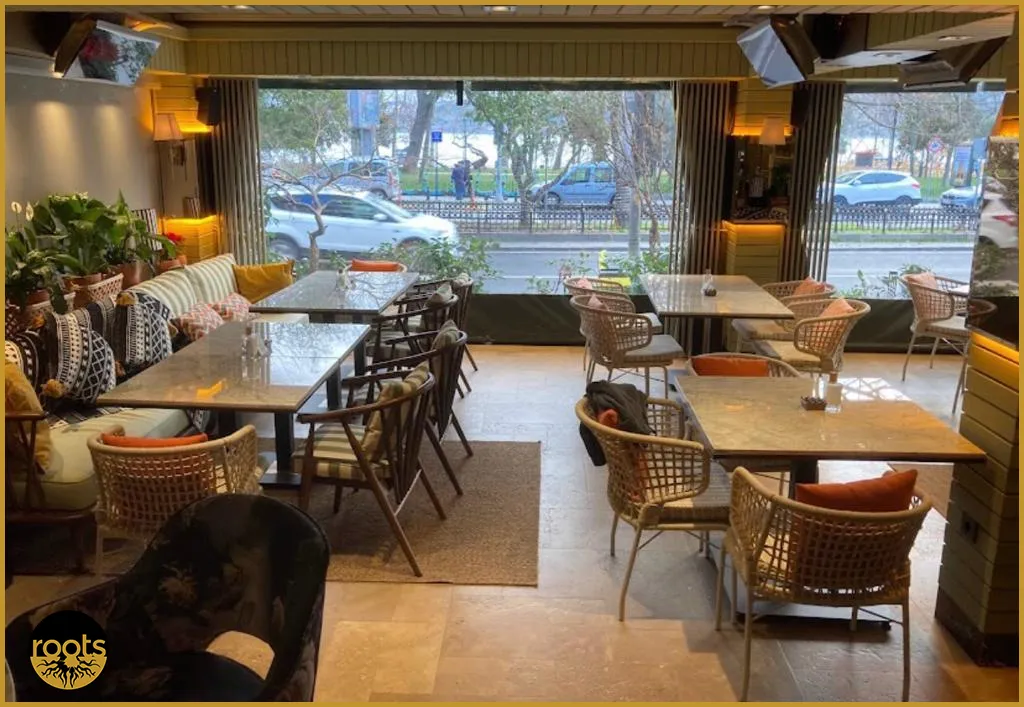
The Impact of Architectural Restaurant Design on Business Success
For a restaurant business, design is not only an element of visual appeal but also the cornerstone of operational efficiency and customer loyalty. Architectural restaurant design is the process of creating an identity within the physical boundaries of a space. This process covers a wide range, from kitchen planning to customer seating arrangements, from lighting choices to acoustic solutions.
A well-structured interior design directly affects the time guests spend in the venue and their spending habits. A good design solves a complex circulation scheme while also offering an atmosphere that reflects the spirit of the brand. This is not only an aesthetic choice for operators but also a long-term investment strategy.
Who Are Restaurant Interior Designs Suitable For?
Professional architectural touches are critical for the following groups of needs:
- New Business Owners: Investors who are still in the process of establishing their brand and want to differentiate themselves from competitors.
- Those Changing Their Concept: Those who want to expand their existing customer base or create a new atmosphere suited to their menu content.
- Those Experiencing Operational Problems: Businesses with low service speed and faulty kitchen-dining area circulation that want to overcome these physical obstacles.
- Corporate Identity Work: Brands aiming to create a standard spatial language on the path to chain restaurantization.
Which Needs Are Met During the Design Process?
An architectural project does not only promise a "beautiful appearance." Throughout the process, technical solutions are provided for the following fundamental needs:
- Functionality: It is ensured that kitchen staff can work at maximum speed without their movement area overlapping with the route of service staff.
- Ergonomics: Customers' comfortable dining, the adjustment of distances between tables to protect privacy, and the suitability of furniture choices for long-term sitting are optimized.
- Acoustic Comfort: Sound-absorbing materials and strategic layouts are planned to prevent noise pollution during busy hours.
- Lighting Discipline: Automation-supported lighting scenarios are designed so that dishes look appetizing and the venue can take on different modes at different times of the day.
Material Selection and Durability Comparison
Material selection in restaurants directly determines both cost and the lifespan of the business. The following table compares frequently preferred material types according to different criteria:
| Material Type | Durability Level | Area of Use | Cost Scale |
|---|---|---|---|
| Natural Stone / Marble | Very High (Low stain resistance) | Countertops, Flooring, Accent Walls | High |
| Industrial Metal | High (Resistant to scratching) | Lighting, Furniture Frames, Ceiling | Medium |
| Solid Wood | Medium (Requires maintenance) | Table Tops, Flooring, Cladding | High |
| Ceramic / Porcelain | Very High (Hygienic) | Wet Areas, Kitchen, Flooring | Low - Medium |
Points to Consider Before Purchasing and Implementation
Before receiving a design service or moving to the implementation phase, the following criteria should be taken into consideration:
- Permits and Technical Infrastructure: As much as the elegance of the design, its compliance with municipal and fire department regulations is also critical. Ventilation capacity and fire exits should not be sacrificed for aesthetics.
- Target Audience Analysis: The interior architectural language of a luxury dinner restaurant and a fast-food-focused venue should be completely opposite.
- Budget Management: Observing the cost-benefit balance, high-quality materials should be selected for touched surfaces (tables, chairs), while more economical but aesthetic materials should be chosen for distant contact points.
- Sustainability: Operating expenses should be minimized by preferring easily cleanable fabrics and energy-efficient lighting systems.
Frequently Asked Questions
Question 1: Why is color selection important in restaurant design?
Answer: Colors create a psychological perception. For example; while warm tones such as red and orange create an appetite-stimulating and dynamic effect, blue tones can be more calming and appetite-suppressing. Your color palette should align with your brand identity.
Question 2: How long does renovating an existing restaurant require the business to stay closed?
Answer: This varies depending on the scope of the renovation. While only cosmetic changes (paint, lighting, textiles) can be completed in 1-2 weeks; comprehensive renovations including plumbing and flooring can take 4 to 8 weeks.
Question 3: What design approach should be followed in small spaces?
Answer: In small areas, the feeling of spaciousness should be increased with minimalist approaches, mirrored surfaces, vertical storage solutions and correct lighting. Modular furniture ensures efficient use of the space.
Why Should Professional Architectural Support Be Obtained?
Restaurant interior design is much more than a decoration activity. The most common problems encountered in amateur planning are; odors from the kitchen spreading into the dining area, tables remaining dark due to incorrect light angles, or waiters colliding with each other as a result of circulation errors. A professional architectural approach eliminates all these risks at the project design stage, minimizing the risk of your investment and increasing your brand's prestige.











































































