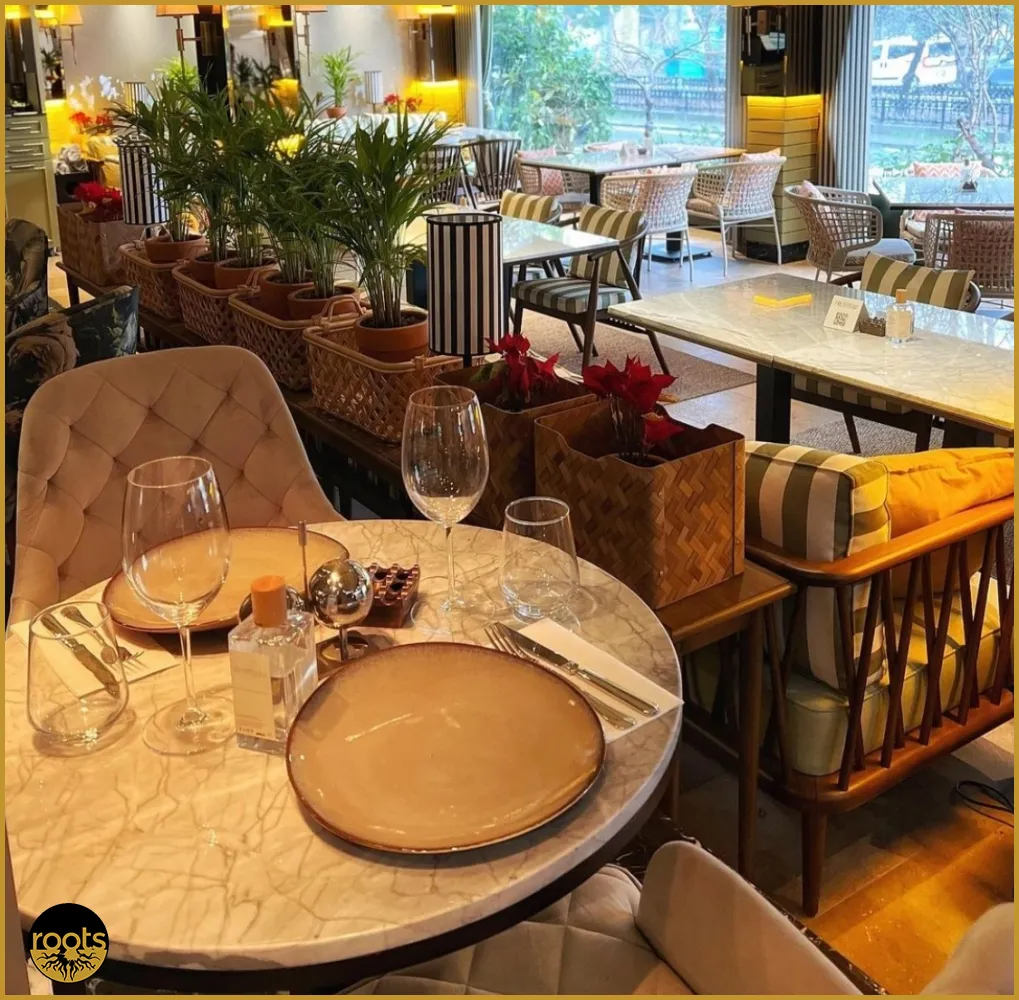
Architectural Restaurant Design: Interiors Combining Aesthetics and Functionality
An interior design that reflects the spirit of your restaurant, impresses your guests and ensures operational efficiency is one of the cornerstones of your success. Architectural restaurant design is not limited to visible aesthetics alone; it also offers a holistic approach by deeply analyzing the purpose of the space, its target audience and brand identity.
What Is Restaurant Interior Design and Why Is It Important?
Restaurant interior design is a comprehensive process that shapes not only the physical spaces of dining venues but also their atmosphere, functionality and brand identity. A well-designed restaurant offers your guests an unforgettable experience while increasing operational efficiency and strengthening brand loyalty. When approached from an architectural perspective, every detail, from the flow of the space to its lighting, from furniture selection to material use, directly affects the visitor experience.
Why Is It Important?
- First Impression: The first moment customers step into the space is shaped by design. An aesthetic and appealing design leaves a positive first impression.
- Customer Experience: Comfortable seating areas, appropriate lighting, acoustic arrangement and the overall atmosphere of the space increase the time guests spend in the venue and their satisfaction.
- Brand Identity: The design should reflect the restaurant's concept, values and the cuisine it offers. The design approach of an Italian restaurant and a modern fine-dining restaurant will be different.
- Operational Efficiency: Smart planning of kitchen and service areas facilitates staff movement and increases service quality and speed.
- Competitive Advantage: A differentiating design allows you to stand out from your competitors and becomes one of the reasons your target audience chooses you.
Who Is It Suitable For?
Architectural restaurant design is suitable for any dining establishment that wants to maximize its potential:
- Restaurants, cafes, bars and other gastronomy venues that are about to open.
- Businesses that want to renew the concept of their existing spaces, improve customer experience or strengthen their brand image.
- Entrepreneurs aiming to stand out in the market by offering a different cuisine or theme.
- Hotels, shopping malls and other commercial organizations that want to make their spaces more functional and aesthetic.
Which Needs Does It Meet?
A professional architectural restaurant design meets the following fundamental needs:
- Aesthetics and Appeal: Ensures the space is visually pleasant and inviting.
- Customer Comfort: Creates a comfortable environment with elements such as seating arrangement, climate control, lighting and sound insulation.
- Functionality and Flow: Facilitates operational flow by optimizing customer and staff movement.
- Brand Consistency: Creates a space consistent with the restaurant's concept and brand identity.
- Technical Requirements: Plans technical requirements such as the kitchen, service areas, restrooms and storage in accordance with legal standards and operations.
- Sustainability and Durability: Reduces costs through long-lasting and environmentally friendly material choices.
In Which Situations Should It Be Preferred?
Architectural restaurant design should be particularly preferred in the following situations:
- Brand Differentiation: When you want to stand out in a highly competitive environment and create a memorable identity.
- Reaching the Target Audience: When you want to create an atmosphere and experience that appeals to a specific customer segment.
- Spatial Constraints: When you have a narrow, unusual or challenging space, and a professional solution is needed to maximize the potential of this space.
- Operational Issues: When you experience problems in your current space such as customer flow, service speed or staff efficiency.
- Reconceptualization: When you plan to change or modernize your restaurant's concept.
In What Ways Does It Differ from Alternatives?
Unlike traditional decoration or approaches that focus only on aesthetics, architectural restaurant design offers a much more comprehensive and strategic solution:
- Holistic Approach: It focuses not only on appearance, but also on functionality, customer experience and brand strategy.
- Area of Expertise: Architects and interior architects produce optimum solutions by bringing together the physical characteristics of the space, user behavior and aesthetic principles.
- Discovering the Potential of the Space: It aims to use the existing space in the most efficient way and to integrate light and natural elements.
- Long-Term Investment: It offers a long-lasting investment with durable materials, timeless designs and functional planning.
- Operational Improvements: The design process also takes into consideration operational processes, from kitchen flow to service layout.
Things to Consider in Material Selection
In restaurant design, material selection is of critical importance in terms of both aesthetic appearance and durability and cost. A comparison of different material types is presented below:
| Material Type | Durability | Indoor/Outdoor Use | Cost (Average Assessment) | Aesthetics & Area of Use |
|---|---|---|---|---|
| Natural Stone (Granite, Marble, etc.) | Very High | Both Indoor and Outdoor | High | Luxury, Elegance, Durability. Floors, countertops, wall coverings. |
| Wood (Solid, Veneer, Composite) | Medium-High (with Protection) | Generally Indoor, Outdoor with Special Measures | Medium-High | Warmth, Naturalness. Floors, furniture, wall panels, ceilings. |
| Concrete (Polyurethane, Decorative) | High | Both Indoor and Outdoor | Low-Medium | Industrial, Modern, Minimalist. Floors, walls, ceilings, countertops. |
| Ceramic and Porcelain | High | Both Indoor and Outdoor | Low-Medium | Various patterns and textures, hygienic, easy to clean. Floors, wall coverings. |
| Metal (Stainless Steel, Iron, Aluminum) | Very High | Both Indoor and Outdoor | Medium-High | Modern, Industrial, Sturdiness. Lighting, furniture frames, decorative elements. |
| Glass (Tempered, Decorative) | Medium-High (Tempered) | Generally Indoor, Outdoor with Special Measures | Medium | Transparency, Spaciousness, Modernity. Partitions, lighting, table surfaces. |
Points to Consider:
- Hygiene: Easy-to-clean and hygienic surfaces should be preferred, especially in food and beverage preparation areas.
- Durability: Materials resistant to heavy foot traffic, scratching and wear should be selected.
- Safety: Safety elements such as non-slip floor coverings, fire resistance properties and prevention of sharp edges should be taken into consideration.
- Aesthetic Harmony: The selected materials should be compatible with the restaurant's overall concept and brand identity.
What Should Be Considered Before Purchasing?
Paying attention to the following points before starting an architectural restaurant design project will positively affect the success of the project and the return on your investment:
- Preparing a Comprehensive Brief: Prepare a clear and detailed brief about your restaurant's concept, target audience, menu, budget and expectations.
- Choosing a Professional Designer Team: Work with an architect or design office that has strong references, experience in the food and beverage sector and can communicate well with you.
- Budget Planning: Clearly determine the design and implementation costs. Do not forget to allocate a share for unexpected expenses.
- Evaluation of the Existing Space: Analyze the existing constraints and potentials such as the building's structure, permits and accessibility in advance.
- Target Audience Analysis: Make sure the design is suitable for the expectations and lifestyle of the customer base you are targeting.
- Review of Operational Processes: Include operational requirements such as kitchen, service and staff areas in the design process.
- Legal Regulations and Standards: Create a design plan that fully complies with relevant legal regulations such as fire safety, hygiene standards and disabled access.
- Lighting and Acoustic Planning: Plan these two elements, which directly affect the atmosphere and comfort of the space, from the early stages of the design.
- Technology Integration: Also consider technological needs such as ordering systems, payment points and customer Wi-Fi.
- Sustainability Principles: Consider incorporating sustainability principles such as energy efficiency, recyclable materials and water saving into your project.
Frequently Asked Questions
A successful restaurant is a place that offers its guests an unforgettable experience in addition to delicious food. Architectural restaurant design forms the foundation of this experience, strengthening your business's identity, increasing customer satisfaction and supporting long-term success. It is important to set out with a professional approach to transform your space into a work of art and take functionality to the top.











































































