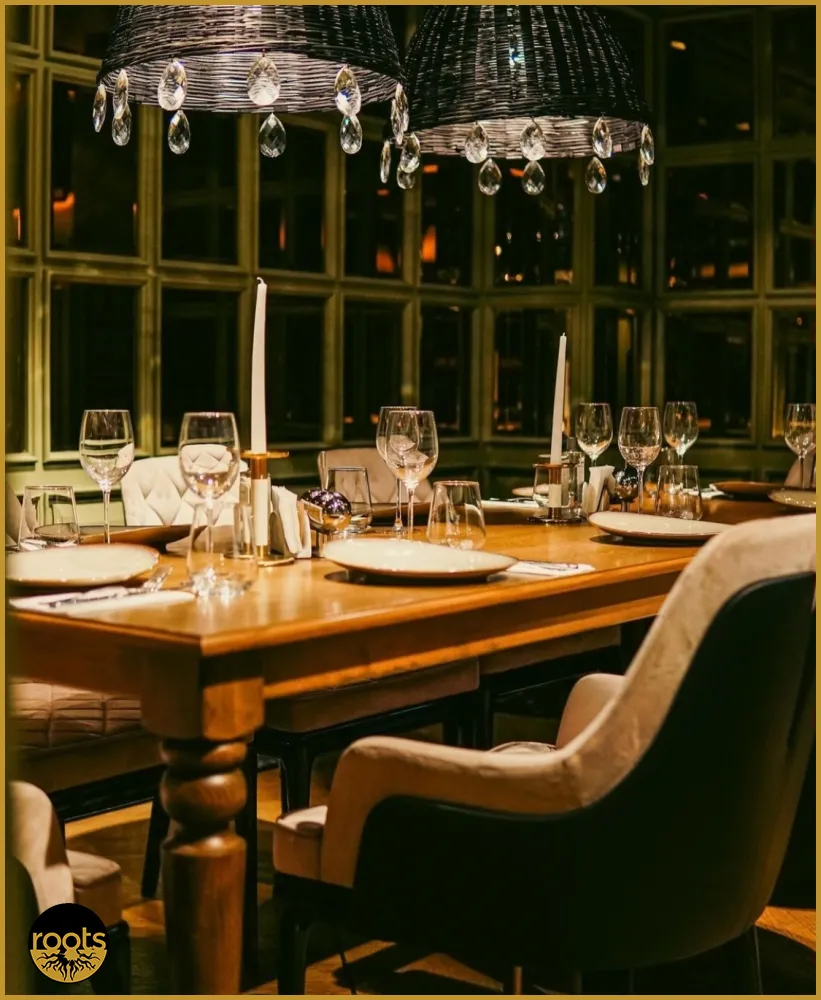
Architectural Restaurant Design and Interior Dynamics
The success of a restaurant is directly related to the atmosphere in which those flavors are consumed as much as the flavors it offers. Architectural restaurant design is not just an aesthetic concern; it is a physical reflection of operational efficiency, customer comfort and brand identity. Professional interior design enables a venue to cease being a "commercial space" and transform into an "experience point" for customers.
Why Is Restaurant Design Important?
A well-constructed interior directly affects the profitability and sustainability of the business. The design process meets the following fundamental needs:
- Operational Flow: Optimizing the circulation between the kitchen, service area and customer tables increases service speed.
- Acoustic Comfort: Material choices that prevent noise pollution enable customers to hear each other comfortably.
- Lighting Strategy: The right use of light makes dishes appear appetizing and allows the venue to adapt to different times of the day.
- Brand Loyalty: A unique design leaves a mark in customers' minds and creates a desire to return.
Who Is It Suitable For?
Professional interior architectural touches are essential for investors planning to open a new restaurant, business owners who want to modernize their existing venue, fine dining concept restaurants, fast food chains and boutique cafes. Especially in locations with intense competition, creating an architectural difference is the most effective way to increase market share.
Material Selection and Functionality Comparison
The materials used in restaurant design should be evaluated on the axis of durability, cleanability and cost. The following table analyzes some frequently preferred material types:
| Material Type | Durability | Area of Use | Cost Level | Prominent Feature |
|---|---|---|---|---|
| Natural Wood | Medium (Requires maintenance) | Floor, Furniture, Wall | High | Warm and friendly atmosphere |
| Marble and Natural Stone | High | Bar Counter, Entrance | Very High | Luxurious and prestigious appearance |
| Industrial Steel | Very High | Kitchen, Modern Decor | Medium/High | Hygienic and long-lasting |
| Ceramic and Tile | High | Floor, Wet Areas | Medium | Easy cleaning, wide pattern options |
Critical Points to Consider Before Design
Considering the following points before starting a design project or purchasing a service will accelerate the return on investment (ROI):
- Target Audience Analysis: The style of the design (modern, classic, rustic, etc.) should match the expectations of the customer profile to be addressed.
- Kitchen and Dining Area Balance: The ratio of the total square meters between the kitchen and seating area should be planned correctly according to the preparation process of the dishes on the menu.
- Ventilation and Technical Infrastructure: A powerful ventilation system should be planned by concealing it within the aesthetics of the design so that food odors do not spread into the dining area.
- Flexibility: Tables being combinable or separable allows groups of different sizes to be accommodated.
What Makes It Different from Alternatives?
The most fundamental difference that distinguishes a professional architectural approach from a standard decoration process is efficiency. While simply purchasing furniture is decoration; calculating ergonomics, the angle of light, acoustic panel placement and staff circulation paths is architectural engineering. This approach minimizes renovation costs in the long term while also reducing operating expenses.
Frequently Asked Questions
Depending on the size of the space and the complexity of the concept, the design phase can range from 2-4 weeks, and the implementation process from 2-4 months.
In small areas, mirrors, light color palettes and vertical storage solutions are used to make the space appear spacious. Functional and multi-purpose furniture is preferred.
Material quality, technical infrastructure (electrical, plumbing, ventilation), custom-made furniture and workmanship details are the main determinants of cost.
In partial renovations, operations can continue, but for major architectural changes, it is recommended to temporarily close the space or carry out the work at night for the sake of occupational safety and customer comfort.











































































