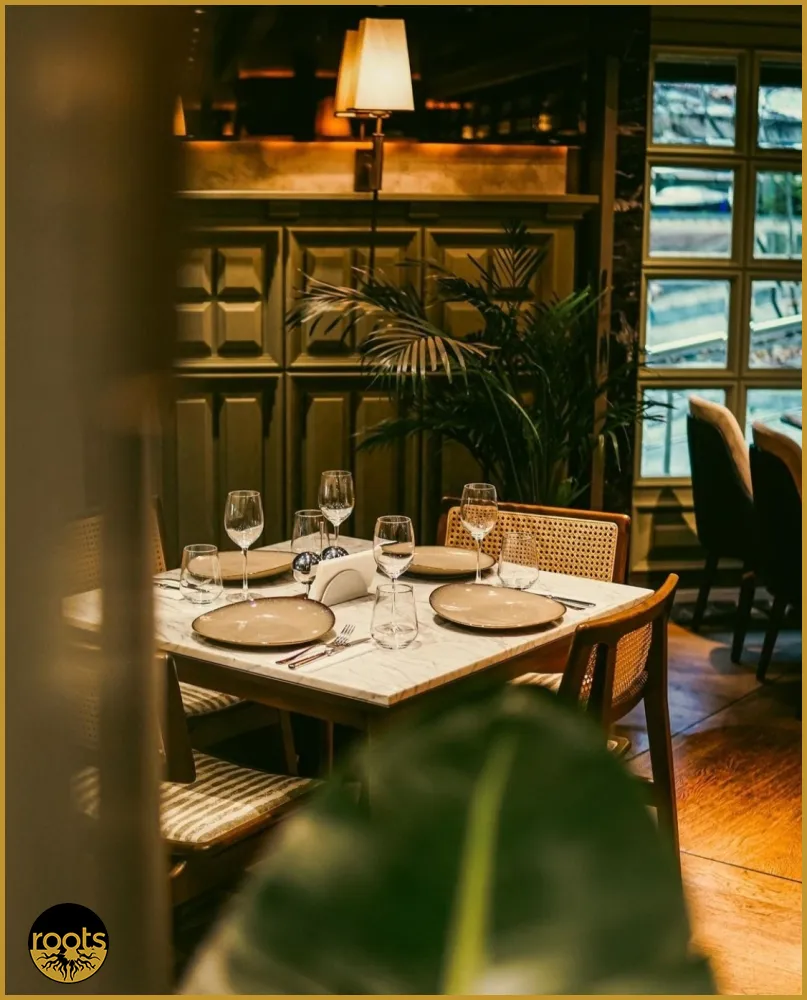
Architectural Restaurant Design and Interior Designs
The success of your restaurant is directly related not only to the flavors you offer but also to the experience you provide to your guests. **Architectural restaurant design** and **restaurant interior designs** form the cornerstones of this experience. These elements, which determine the identity, atmosphere and functionality of a venue, greatly influence your customers' likelihood of choosing and revisiting the venue.
What Is Restaurant Design and Why Is It Important?
Restaurant design is not merely an aesthetic concern. It is a holistic approach covering many details, from the overall architectural structure of the venue to interior arrangement, from furniture selection to lighting strategies, from material use to color palette. A successful restaurant design:
- Reflects the brand identity and establishes an emotional bond with the target audience.
- Creates a comfortable and inviting atmosphere for customers.
- Increases staff efficiency by optimizing the flow within the venue.
- Provides functional connections between the kitchen, service areas and seating arrangement.
- Offers a unique and memorable venue experience.
Who Is It Suitable For?
Restaurant design is of great importance both for a venue to be newly opened and for operators who want to renovate their existing venue. This service can be preferred in the following situations:
- Entrepreneurs planning to open a new restaurant, cafe, bar or bistro.
- Operators who want to update the concept of their existing restaurants or rebrand.
- Those who want to increase customer satisfaction and return rates.
- Those who want to gain a competitive advantage by improving the atmosphere and functionality of the venue.
- Businesses that want to create different atmospheres for private invitations, events or themed nights.
Which Needs Does It Meet?
Professional restaurant design offers solutions aimed at meeting many fundamental needs:
- Maximizing Venue Potential: Optimizing seating capacity and service flow by using the existing space in the most efficient way.
- Reaching the Target Audience: Creating a venue identity and atmosphere suited to the expectations and lifestyle of the determined target audience.
- Operational Efficiency: Facilitating operations by establishing logical connections between the kitchen, bar, service and customer areas.
- Enriching the Customer Experience: Creating an environment where guests feel comfortable, special and satisfied.
- Building Brand Identity: Integrating the restaurant's concept, values and flavors with the design of the venue.
- Legal Compliance and Safety: Realizing designs in accordance with fire safety, accessibility standards and health regulations.
What Are Its Differences from Alternatives?
Unlike standard interior architecture services, architectural restaurant design requires a special area of expertise. The main differences are as follows:
- Sectoral Focus: The unique operational dynamics, customer expectations and legal regulations of restaurants are taken into consideration.
- Balance of Functionality and Aesthetics: Not only visual appeal but also operational elements such as kitchen efficiency, service flow and seating arrangement are prioritized.
- Experience Design: The goal is for the guest to have a positive experience throughout the entire process, from entering to leaving the venue.
- Material and Lighting Expertise: Durable, easy-to-clean materials suited to the restaurant environment and the right lighting techniques are selected.
- Acoustic Arrangements: Sound insulation and acoustic planning are carried out to provide a comfortable conversation environment.
In Which Situations Should It Be Preferred?
Restaurant design should be preferred especially for the following situations and purposes:
- Ensuring that the overall atmosphere of the venue is modern and attractive.
- Creating unique designs for restaurants with different concepts (for example; fine dining, casual dining, themed restaurants).
- Ensuring that the venue can be used comfortably by everyone in terms of transportation and accessibility.
- Making arrangements that will ensure the efficient operation of the kitchen and service areas.
- Accelerating the return on investment by bringing out the potential of the venue in the best way.
- Ensuring that the restaurant stands out in social media and visual marketing materials.
Frequently Asked Questions
Which materials can be used in restaurant interior design?
A wide range of materials can be used in restaurant interior designs. Choices are made according to the venue's concept, budget, durability requirements and aesthetic preferences. Commonly used materials include wood, metal, glass, concrete, ceramic, marble and fabrics. What matters is that these materials are both visually harmonious and suitable for the intensive use and cleaning conditions that a restaurant environment requires.
Why Is Color Selection for a Venue Important?
Colors directly determine the atmosphere of a venue and its psychological effect on customers. For example, warm colors (red, orange) stimulate appetite while creating a welcoming environment. Blues and greens can offer a more calming effect. Choosing colors that are compatible with brand identity helps customers connect with the venue. The correct use of colors together with lighting can completely change the overall perception of a venue.
How Can a Small Restaurant Space Be Made to Look More Spacious?
To make small restaurant spaces look more spacious, light color palettes, cleverly placed mirrors, floor-to-ceiling window views or bright solutions can be used. In furniture selection, space-saving, multifunctional or minimalist designs should be preferred. In addition, by also using vertical areas in the seating arrangement, the venue can be perceived as larger.
What to Consider in Material Selection
In restaurant design, material selection is critically important from both an aesthetic and a practical perspective. The following factors should be taken into consideration:
- Durability: Since restaurants are subject to intensive use, the selected materials must be resistant to wear, scratching and staining.
- Easy Cleanability: Hygiene is one of the most important issues for restaurants. It is important that materials are easy to clean and can be disinfected.
- Cost: Budget is an important constraint in material selection. Both the initial cost and the long-term maintenance cost should be taken into consideration.
- Aesthetic Compatibility: Materials must be compatible with the restaurant's overall concept and brand identity.
- Safety: Materials that comply with safety standards such as flammability rating should be preferred.
Material Comparison Table
A comparison of different material types on the axes of durability, area of use and cost is presented below:
| Material Type | Durability | Indoor Use | Outdoor Use | Cost (Average) |
|---|---|---|---|---|
| Solid Wood | Medium - High (depending on processing) | High | Low (requires special treatments) | Medium - High |
| Metal (Stainless Steel, Iron, etc.) | High | High | Medium - High (depending on coating) | Medium - High |
| Natural Stone (Marble, Granite, etc.) | High | High | High | High |
| Ceramic/Porcelain Tile | High | High | High (suitable types) | Low - Medium |
| Concrete/Microcement | High | High | High | Low - Medium |
| Glass | Medium (risk of breakage) | High (decorative and functional) | Medium (with safety precautions) | Medium |
| Fabric (Upholstery) | Medium (durable types) | High | Very Low | Low - Medium |
What Should Be Considered Before Purchasing?
Before receiving a restaurant design service or undertaking a major renovation, it is important to pay attention to the following points:
- Establishing a Clear Concept: Clarify which cuisine your restaurant will offer, which target audience it will appeal to, and what kind of atmosphere it will provide.
- Creating a Detailed Budget: Set a realistic budget for all items such as design, construction, furniture, lighting and decoration.
- Getting Professional Support: Prefer working with designers or architecture firms that are experts in their field and have completed similar projects before. Review their portfolios and ask for references.
- Space Analysis: Thoroughly analyze the strengths and weaknesses of the existing space, its potential, and any legal restrictions (permits, zoning, etc.).
- Balance of Functionality and Aesthetics: Make sure the design not only looks good but also meets operational needs. Question details such as kitchen layout, service routes and restroom access.
- Lighting Planning: Do not overlook the major impact of lighting on the atmosphere and functionality of the space. Establish a good balance between general lighting, task lighting and accent lighting.
- Acoustic Arrangement: Consider acoustic solutions to create an environment where customers can converse comfortably and noise levels are kept under control.
- Flexibility: Aim to produce flexible solutions that can adapt to needs or trends that may change over time.
Remember that good restaurant design not only creates a visually pleasing space but also contributes directly to the long-term success of your business. Ensuring your customers have an unforgettable experience is the key to building a loyal customer base.











































































