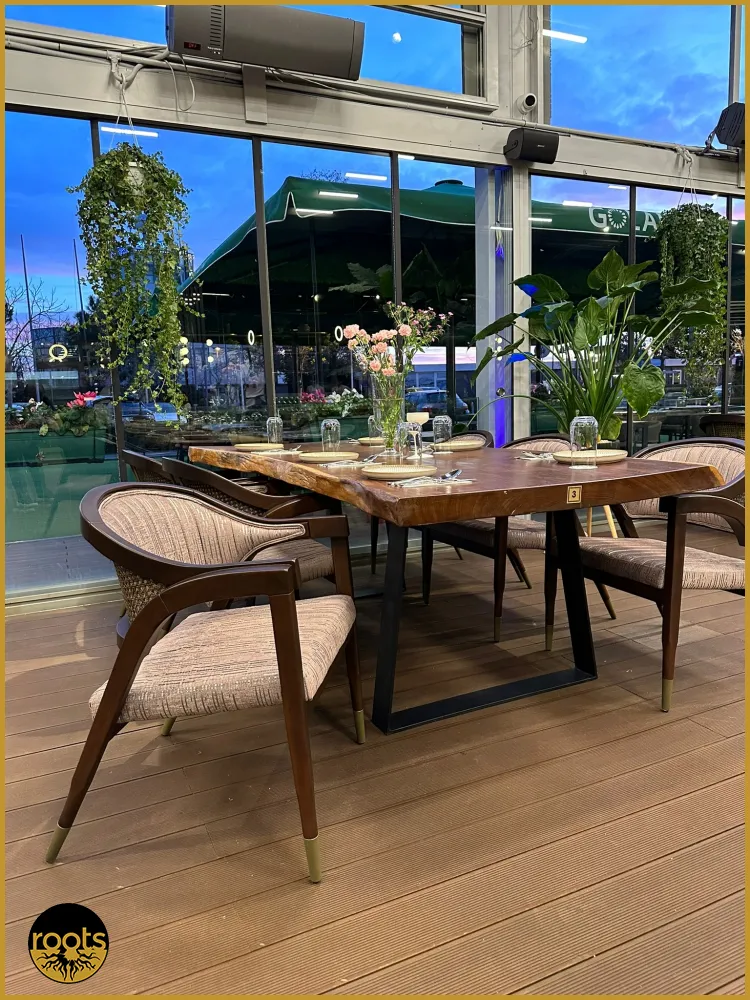
Architectural Restaurant Design: Perfect Your Ambiance
The success of your restaurant is not limited to the flavors you offer; it is also directly related to the experience you present to your guests. Architectural restaurant design forms the foundation of this experience. The physical structure, atmosphere, functionality and aesthetics of the space influence your customers from the very first moment they step inside and leave an unforgettable impression.
What Is Restaurant Interior Design and Why Is It Important?
Restaurant interior design is the process of planning and implementing a restaurant not only with aesthetic concerns but also by considering functionality, customer comfort and operational efficiency. This process includes creating an atmosphere suitable for the concept of the space, making the right material selections, providing lighting and acoustic arrangements, and optimizing customer circulation.
Successful restaurant design:
- Strengthens brand identity and appeals to the target audience.
- Increases customer satisfaction and attracts more repeat visitors.
- Creates an environment where staff can work more efficiently.
- Enriches the dining experience and elevates overall perception.
- Provides a competitive advantage by making the space stand out.
Who Is It Suitable For?
Architectural restaurant design and interior arrangements apply to all businesses in the following situations:
- Restaurants to be newly opened: Starting off with the right concept and design from the beginning facilitates brand awareness and customer attraction.
- Those who want to renovate their existing restaurant: Modernizing old or outdated spaces is important for attracting a new customer base or meeting the expectations of existing customers.
- Those planning to change their concept: Businesses transitioning to a different cuisine type or wanting to expand their target audience need the design to reflect this change.
- Businesses with operational problems: Professional design support should be obtained to resolve issues such as insufficient space usage, poor lighting or disturbing acoustics.
Which Needs Does It Meet?
Effective restaurant design meets various fundamental needs:
- Aesthetics and Atmosphere: Determines the overall look and feel of the space, reflects brand identity.
- Functionality and Ergonomics: Provides comfortable and efficient use for both customers and staff.
- Customer Comfort: Offers a comfortable experience with seating arrangements, table spacing, lighting and acoustics.
- Operational Efficiency: Increases staff performance by optimizing the flow between the kitchen, service area and customer areas.
- Safety and Accessibility: Includes arrangements compliant with fire regulations, emergency exits and disabled access.
- Technological Integration: Ensures the integration of modern technologies such as sound systems and lighting controls.
In Which Situations Should It Be Preferred?
Professional architectural restaurant design and interior arrangement are of critical importance, especially in the following situations:
- The Desire to Create a Unique Concept: To create a memorable space far from the ordinary.
- The Need to Reflect Brand Values: For a design compatible with the cuisine, service approach and target audience the restaurant offers.
- Differentiation in a Competitive Market: To stand out from competitors and attract more customers.
- Overcoming Space Constraints: To optimize even small or challenging areas functionally and aesthetically.
- Long-Term Investment Plan: To make a long-term investment with durable, timeless and easy-to-maintain solutions.
In What Ways Does It Differ from Alternatives?
Professional architectural restaurant design is a service and process rather than a "product" in itself. The main features that distinguish this process from individual or amateur approaches are as follows:
- Comprehensive Analysis: Professionals analyze the potential of the space, its suitability for the customer profile and its operational needs in depth.
- Balance of Functionality and Aesthetics: It offers solutions that are not only visually appealing but also practical and efficient.
- Material Knowledge and Quality: The right selection of durable, hygienic and aesthetic materials suitable for the use and purpose of the space is made.
- Technical Knowledge and Legal Compliance: It provides expertise in technical matters such as construction, electrical, plumbing, lighting and acoustics, and compliance with the relevant regulations.
- Cost Optimization: Through material selections and application methods, it optimizes both the initial investment and long-term operating costs.
- Holistic Approach: It creates an integrated design in which all elements (lighting, furniture, colors, plants, etc.) are in harmony with each other.
Material Options and Comparison
The materials used in restaurant designs directly affect both the aesthetics and the durability of the space. Here is a comparison of some commonly used material types:
| Material Type | Durability | Indoor Use | Outdoor Use | Average Cost (Relative) |
|---|---|---|---|---|
| Natural Stone (Marble, Granite, Travertine) | High | Floor, wall, countertop | Suitable (Treated) | High |
| Wood (Solid, Veneer) | Medium-High (Depends on maintenance) | Floor, wall, furniture, ceiling | Limited (Treated and protected) | Medium-High |
| Ceramic and Porcelain Tiles | High | Floor, wall | Suitable (Outdoor series) | Medium |
| Concrete (Decorative) | High | Floor, wall, countertop | Suitable | Medium |
| Metal (Stainless Steel, Iron) | High | Furniture, lighting, decoration | Suitable (Coated) | Medium-High |
| Glass (Tempered, Laminated) | Medium-High | Tabletop, partition, lighting | Suitable (Tempered) | Medium |
| Composite Materials (Dekton, Corian, etc.) | Very High | Countertop, floor, wall | Suitable | High |
Points to Consider Before Purchasing (or Receiving Service)
Paying attention to the following points before receiving architectural design services for your restaurant or starting the design process will directly affect the success of your project:
- Define a Clear Concept: Who is your target audience? Which cuisine will you offer? What should the overall atmosphere of the space be? The answers to these questions form the foundation of the design.
- Determine Your Budget: Clarify the total budget you can allocate for design and implementation. This will influence many decisions, from material selections to furniture.
- Get Professional Support: Working with an experienced architect or interior designer enables you to bring out the potential of your space in the best possible way.
- Prioritize Functionality: As much as aesthetics, the operational efficiency, customer comfort and safety of the space should not be overlooked.
- Research Material Quality: The durability, maintenance and hygienic properties of the materials to be used, and their harmony with the overall aesthetics of the space, are important.
- Plan Lighting and Acoustics: While the right lighting creates ambiance, good acoustic arrangement improves the customer experience.
- Review References: Check the previous works and references of the architect or company you are considering receiving services from.
- Request Detailed Project Design: Request detailed drawings, 3D visuals and material lists before implementation.
Question: Does restaurant design have to be only visually beautiful?
No. A good restaurant design must perfectly blend visual aesthetics with functionality. Factors such as the comfort of the space, staff efficiency, material durability and hygiene are as important as, or even more important than, visual appeal. The goal is to create a holistic space that serves both the eye and the purpose.
Question: What should be considered in design for different types of cuisine?
Each type of cuisine has its own unique needs and atmosphere. For example, while a luxury Italian restaurant is designed with more elegant and warm materials, a vibrant Asian fusion restaurant may include more energetic colors and dynamic elements. A design reflecting the concept and the spirit of the food served should be preferred. Depending on the type of cuisine, seating arrangements, service areas and even the kitchen architecture may differ.
Question: How can we keep costs under control in restaurant design?
Cost control is possible with careful planning from the very beginning of the project. The first step is to set a clear budget. Then, by working with a professional designer, a needs analysis and prioritization can be carried out. More economical but durable alternatives can be researched in material selections. During the implementation phase, a transparent quotation process and work tracking are important. To prevent unexpected expenses, allocating a contingency expense item of about 10-15% of the budget can also be beneficial.
The right architectural restaurant design and interior solutions play a critical role in maximizing your restaurant's identity, the value you offer to your guests and your operational success. Managing this process correctly will be one of your business's greatest investments in the long term.











































































