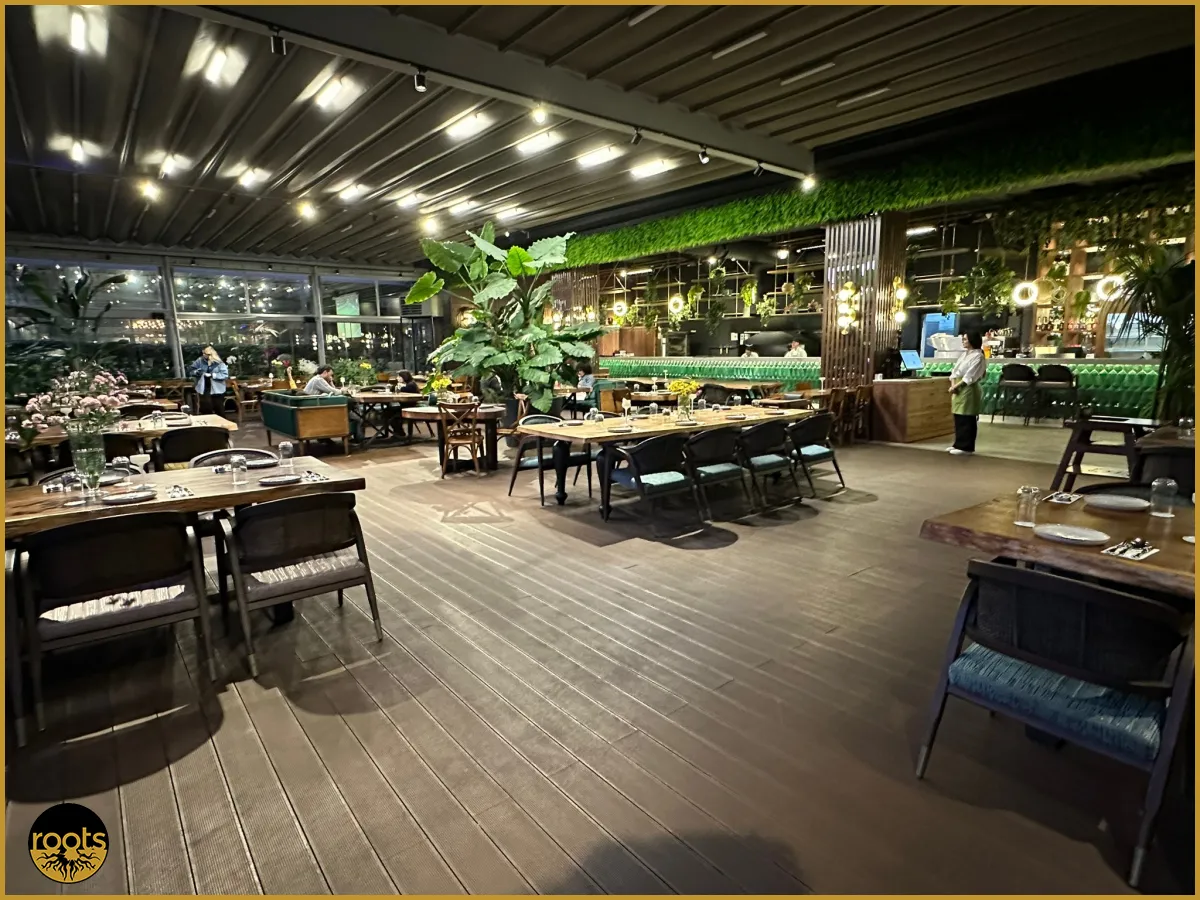
Architectural Restaurant Design and Interior Designs: Reflect the Soul of Your Space
The success of a restaurant is directly proportional not only to the flavors it offers but also to the atmosphere it creates. Restaurant architecture and interior design are the fundamental elements that transform the space where you host your guests from merely a dining venue into an unforgettable experience area. A well-designed restaurant both provides a functional workspace and strengthens your brand identity by meeting the expectations of your target audience.
Why Is Professional Restaurant Design Important?
Restaurant design is the process of transforming a concept into something concrete. In this process, architects and designers bring together aesthetics and functionality to maximize the potential of the space. The right design impresses your guests from the very first step and creates a desire to visit the space again.
Optimize the Flow and Functionality of Your Space
One of the most important tasks of restaurant architecture is to ensure the flow and operational efficiency of the space. This includes ensuring that all areas, from kitchen operations to the service area, from customer seating arrangements to restrooms, are compatible and functional with one another. The design aims for employees to move comfortably, orders to be prepared and served quickly, and guests to have a comfortable experience.
Strengthen Brand Identity and Atmosphere
Every restaurant has its own unique identity and soul. Architecture and interior design are the most effective way to embody this identity. The materials used, color palettes, lighting, furniture selection and overall decoration directly reflect the concept of your restaurant and the message it wants to convey to its target audience. For example, while natural wood and stone textures are used for a rustic concept, elegant lines and sophisticated materials may be preferred for a modern fine-dining restaurant.
Key Elements to Consider in Restaurant Design
- Customer Experience: How you want your guests to feel from the very first moment they step into the space is important. Comfortable seating areas, a pleasant atmosphere and easy circulation increase customer satisfaction.
- Functionality: The operational efficiency of the restaurant is one of the cornerstones of the design. Having the kitchen, service area, bar and seating arrangements in a logical flow both makes employees' work easier and raises the quality of customer service.
- Brand Integrity: The design must be compatible with the overall concept and brand identity of the restaurant. The logo, menu design and decoration complementing each other create a memorable image.
- Lighting: The right lighting greatly affects the atmosphere of the space. The desired ambiance can be created by using different light sources (natural light, general lighting, accent lighting).
- Material Selection: The durability and ease of maintenance of the materials used are as important as their aesthetic appearance. Compliance with hygiene standards is also a critical factor at this point.
- Acoustics: Keeping the sound level in the space under control is important so that guests can find a comfortable environment for conversation. Sound insulation and proper acoustic arrangements help in this regard.
Who Is It Suitable For?
Restaurant architecture and interior design services are ideal for all business owners in the following situations:
- Those who will open a new restaurant.
- Those who want to renew or modernize the concept of their existing restaurants.
- Those who desire their spaces to become more attractive and inviting.
- Those who want to increase operational efficiency and raise customer satisfaction.
- Those who want to reflect their brand identities more strongly.
What Needs Does It Meet?
Restaurant design meets a wide range of needs:
- Spatial Planning: Using the existing space in the most efficient way and arranging it according to needs.
- Creating Aesthetics and Atmosphere: Bringing the space to an attractive and inviting appearance that appeals to the target audience.
- Functional Solutions: Designing the kitchen, service, bar and seating areas by taking operational flow into consideration.
- Brand Image and Identity: Creating a consistent design language that reflects the concept and values of the restaurant.
- Technical Applications: Integration of elements such as lighting, ventilation, sound systems and furniture.
Alternative Materials and Their Features
The materials used in restaurant designs directly affect the atmosphere, durability and cost of the space. Here is a comparison of some commonly used material types:
| Material Type | Durability | Interior/Exterior Architectural Use | Cost (Average) |
|---|---|---|---|
| Natural Stone (Marble, Granite) | High | Interior and Exterior (with suitable treatment) | High |
| Wood | Medium-High (depends on treatment) | Interior (with special coating for exterior) | Medium-High |
| Concrete (Decorative) | High | Interior and Exterior | Medium |
| Metal (Stainless Steel, Iron) | Very High | Interior and Exterior | Medium-High |
| Ceramic and Porcelain | High | Interior (Floor and wall) | Medium |
| Glass | Medium (Fragile) | Interior and Exterior (Safety glass) | Medium |
Frequently Asked Questions
Things to Consider Before Purchasing
When receiving restaurant design services or making decisions about the design process, it is important to pay attention to the following points:
- Reference Check: Examine the previous work of the design team or architect. Seeing their portfolios and completed projects helps you understand their style and competencies.
- Needs Analysis: Clearly define your own concept, target audience, budget and the characteristics of your space. This analysis will make the design process more efficient.
- Communication and Agreement: Establish open and transparent communication with the design team. Do not enter into an agreement without clearly understanding the contract details, project timeline, payment terms and deliverables.
- Legal Permits: Make sure that the renovations and design changes to be made comply with local zoning and building regulations. Follow the process of obtaining the necessary permits.
- Flexibility: Some changes or revisions may be required throughout the design process. Observe how flexibly the design team approaches such situations.
An effective architectural restaurant design and carefully prepared restaurant interior designs not only add aesthetic value, but also play a critical role in the success of your business. Acting with a professional perspective and creative solutions to fully reveal the potential of your space is the key to offering your guests an unforgettable experience.











































































