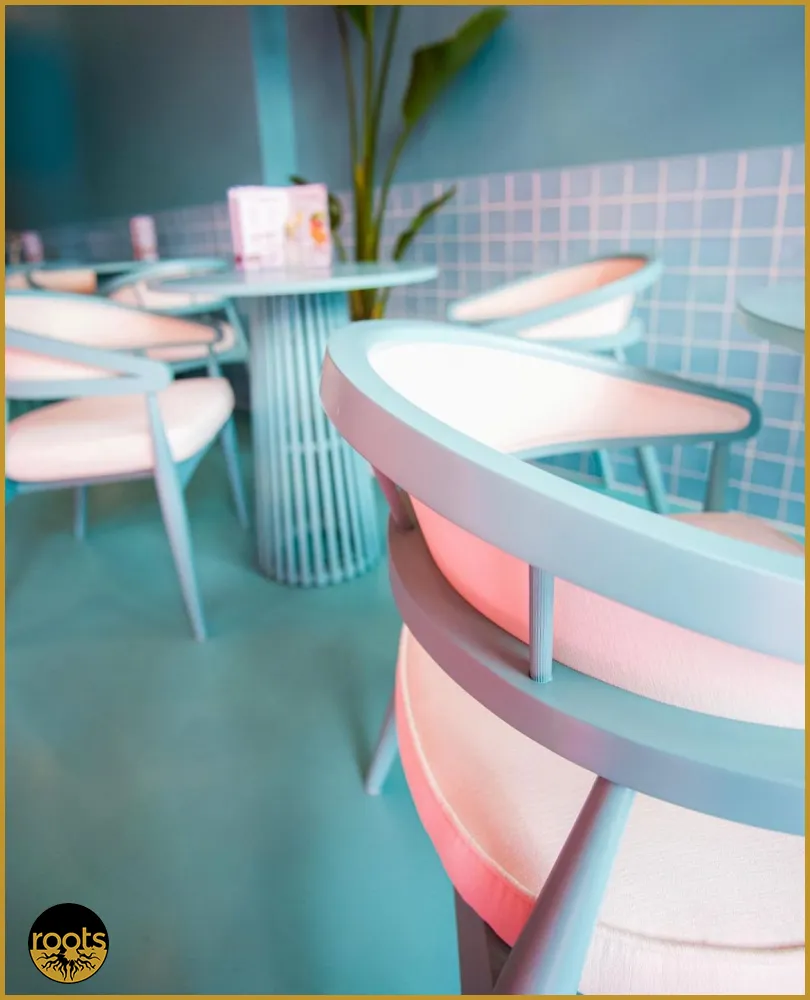
Architectural Restaurant Design: An Art That Adds Value to Your Space
Comprehensive information about architectural designs and interior solutions that reflect the soul and identity of your restaurant and offer an unforgettable experience for your guests.
Why Is Restaurant Design Important?
The success of a restaurant is not limited to the flavors it offers. The atmosphere, aesthetics and functionality of the space are critical factors that directly affect the customer experience. Architectural restaurant design brings these elements together to strengthen your brand identity, ensure that your guests remember it, and help you stand out in a competitive industry.
Effective restaurant design targets the right customer base, maximizes the potential of the space and increases operational efficiency. It not only offers a visual feast but also adds value to your business in the long term.
Key Components of Restaurant Design
A successful restaurant design involves many details. These components form the overall concept of the space:
- Space Layout and Flow: The logical flow between the kitchen, service area, seating arrangement and restrooms is vital for both staff efficiency and guest comfort.
- Interior Design and Decoration: Lighting, color palette, furniture selection, wall coverings and artistic elements determine the overall ambiance of the restaurant.
- Kitchen Design and Functionality: Professional kitchens require meticulous planning in terms of operational efficiency, hygiene standards and employee safety.
- Facade and Exterior Design: The exterior appearance of the restaurant creates the first impression and plays an important role in attracting potential customers to the venue.
- Acoustic Arrangement: Noise control and sound insulation are of great importance for a comfortable dining experience.
- Lighting Strategy: The correct use of natural and artificial light sources strengthens the atmosphere of the space and adds an aesthetic touch.
Who Is It Suitable For?
Architectural restaurant design services can be preferred in the following cases:
- Entrepreneurs who will open a new restaurant or cafe.
- Business owners who want to renovate their existing venue and improve the customer experience.
- Restaurant chains that want to strengthen their brand identity and reach their target audience better.
- All kinds of food and beverage businesses seeking functionality and aesthetics together in their space.
- Those who want to design special concept restaurants or themed venues.
Which Needs Does It Meet?
Professional restaurant design offers solutions to many needs of your business:
- Increased Customer Satisfaction: A comfortable and aesthetic environment ensures that your guests have a more enjoyable time.
- Operational Efficiency: A well-designed kitchen and service area allow your staff to work faster and more effectively.
- Strengthened Brand Image: The aesthetics of the space reflect the professionalism and quality of your brand.
- Maximum Use of the Space: Thanks to space optimization, you can serve more customers.
- Compliance with Legal Regulations: Meeting legal requirements on issues such as fire safety, hygiene standards and disabled access.
- Differentiation in Competition: A unique and memorable design sets you apart from your competitors.
What Are Its Aspects That Differentiate It from Alternatives?
Although there are different design approaches on the market, architectural restaurant design services offer the following advantages:
- Holistic Approach: Instead of focusing only on decoration, it addresses functionality, aesthetics and brand identity as a whole, starting from the architectural structure of the space.
- Professional Expertise: Architects have in-depth knowledge of the use of spaces, material properties and visual aesthetics. This provides more informed and lasting solutions.
- Customized Solutions: Every space and business has its own unique needs. Professional designers produce unique solutions specific to these needs.
- Long-Term Value: The investments made are not just a visual renovation, but also strategic decisions that extend the service life of the space and increase its value.
- Command of Technical Details: From lighting plans to the integration of electrical and mechanical installations, technical details are an inseparable part of the design.
Material Selection: The Balance of Durability, Aesthetics and Cost
The materials used in restaurants directly affect both the aesthetic appearance and the durability and ease of maintenance of the space. Let's compare different material types:
| Material Type | Durability | Interior/Exterior Architectural Use | Cost (Average) | Features |
|---|---|---|---|---|
| Natural Stone (Granite, Marble) | High | Both Interior and Exterior | High | Aesthetic, prestigious, may require maintenance, can stain. |
| Ceramic and Porcelain Tile | High | Both Interior and Exterior (suitable type) | Medium | Wide variety of patterns and textures, easy to clean, water-resistant. |
| Wood (Solid, Veneer) | Medium-High (depending on processing) | Generally Interior | Medium-High | Warm and natural atmosphere, may be sensitive to scratches and water. |
| Decorative Plaster and Paints | Medium | Generally Interior | Low-Medium | Wide range of color and texture options, easy to apply, durability depends on application quality. |
| Metal (Stainless Steel, Iron) | High | Both Interior and Exterior | Medium-High | Modern and industrial look, durable, may require maintenance. |
| Concrete and Micro-Cement | High | Both Interior and Exterior | Medium | Modern, industrial and minimalist look, can stain, requires professional application. |
Material selection should be made professionally, taking into account the restaurant's concept, budget and intensity of use. For example, the flooring of a restaurant with heavy traffic should be both aesthetic and highly resistant to wear.
Points to Consider Before Purchasing
Paying attention to the following points before investing in an architectural restaurant design project will increase the success of the project and your satisfaction:
- Choosing a Professional Team: Working with experienced architects and designers is the most reliable way to turn your vision into reality. Review their portfolios and get information about their previous projects.
- A Detailed Needs Analysis: Your business's goals, target audience, menu and operational needs must be clearly defined.
- Budget Planning: A realistic budget should be created for design, implementation and possible additional costs.
- Evaluation of the Physical Characteristics of the Space: The advantages and disadvantages of the existing structure should be taken into account during the design process.
- Concept and Identity: Clarifying the message your restaurant wants to convey and the atmosphere it wants to create ensures that the design is consistent.
- Legal Permits and Regulations: It is important to have prior knowledge of issues such as zoning status, municipal regulations, and health and safety standards.
- Contract Details: A clear and understandable contract should be made regarding issues such as the scope of service, payment terms and delivery dates.
Frequently Asked Questions
Highlights
Customer Experience-Focused Design: Create an unforgettable atmosphere for your guests.
Balance of Functionality and Aesthetics: Your space should be both beautiful and practical.
Reflect Your Brand Identity: Tell your story through your design.
Operational Efficiency: Smart solutions in kitchen and service areas.











































































