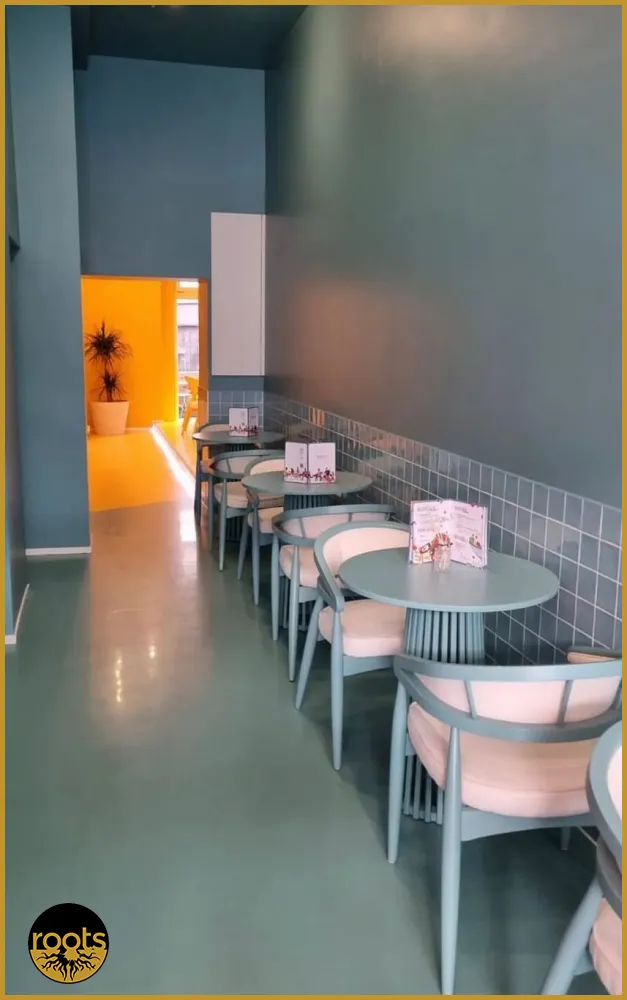
Architectural Restaurant Design: Turn Your Space Into an Experience
The success of your restaurant is directly related not only to the flavors you offer but also to the experience you create for your guests. Architectural restaurant design is one of the most critical elements that shape this experience. This special design process, which determines a restaurant's identity, atmosphere and functionality, is designed to maximize your business's potential.
What Is Architectural Restaurant Design?
Architectural restaurant design is a professional process that brings together the aesthetic, functional and operational requirements of a dining venue to create an unforgettable atmosphere that appeals to the target audience. It does not simply mean placing furniture or painting walls. It is a holistic approach that covers every detail, from the overall concept of the space to lighting details, from seating arrangement to material selection, from kitchen workflow to service flow.
Especially in venues such as restaurants that are used intensively and where guests spend long periods of time, the right restaurant interior designs strengthen brand image, increase customer satisfaction and therefore positively affect business revenues.
Why Is Architectural Restaurant Design Important?
A successful restaurant offers both delicious food and a pleasant atmosphere together. Architectural design is the cornerstone of creating this atmosphere:
- First Impression and Brand Identity: Customers form an impression the moment they step into the venue. The design should tell your brand's story and leave a lasting place in your guests' minds.
- Customer Experience: Comfortable seating arrangements, appropriate lighting, smooth circulation areas and an aesthetic ambiance encourage guests to stay longer and come back.
- Operational Efficiency: A well-thought-out design enables kitchen staff, service team and management to work more effectively. This increases service speed, reduces errors and contributes to overall customer satisfaction.
- Competitive Advantage: In today's intensely competitive sector, a unique and attractive design is an important factor that will set you apart from your competitors.
- Using the Space's Potential: Using the existing space in the most efficient way both offers the opportunity to serve more guests and can optimize operational costs.
Who Is Architectural Restaurant Design Suitable For?
Architectural restaurant design is suitable for businesses of every scale that are about to open or want to renovate their existing restaurant:
- Newly Established Restaurants: The right design at the start-up stage creates a solid foundation for the business's future success.
- Those Who Want to Renovate Their Existing Restaurant: Venues with old or outdated designs can gain a new look and improved functionality.
- Those Planning a Concept Change: For restaurants considering changing their brand identity or target audience, design will be a visual reflection of this change.
- Quality and Prestige-Oriented Businesses: Any kind of dining venue that aims to offer its guests a high-level experience.
Which Needs Does It Meet?
Architectural restaurant design offers solutions to various needs:
- To increase the aesthetic appeal of the space and create an atmosphere that appeals to the target audience.
- To increase satisfaction and loyalty by improving the customer experience.
- To optimize service flow and operational efficiency.
- To turn the physical limitations of the space into an advantage.
- To strengthen brand identity and corporate stance.
- To raise the level of comfort by improving lighting, sound arrangement and acoustics.
- To offer seating areas suitable for different customer groups (for example, couples, families, business meals).
In Which Situations Should It Be Preferred?
Certain situations make architectural restaurant design mandatory or very beneficial:
- Concept Ambiguity: Situations where it is not clear what kind of experience the restaurant will offer.
- Low Customer Satisfaction: Situations where customer complaints increase due to the atmosphere or operation of the venue.
- Operational Problems: Disruptions experienced due to narrow corridors, poorly planned kitchen or service areas.
- Market Competition: In cases where competitors have more attractive and modern venues.
- Change of Property Owner or Leasing: When starting a new business or when an existing business continues with a different concept.
- Need to Update the Venue: In cases where the existing design has become outdated, worn out or does not comply with current trends.
In What Ways Does It Differ from Alternatives?
Architectural restaurant design, unlike other approaches, offers in-depth analysis and holistic planning:
- Not Just Decoration: While traditional decoration focuses only on visual elements, architectural design also considers the entire operation of the space, its comfort and customer flow.
- Professional Planning: Instead of random choices, it is a process that starts with target audience analysis and includes critical steps such as budget management, material selection and compliance with legal regulations.
- Long-Term Investment: Durable solutions that combine aesthetics and functionality provide cost savings in the long term and increase the value of the venue.
- Technological Integration: If necessary, it ensures that technological elements such as lighting automation and sound systems are integrated into the overall design of the venue.
Material Options: Comparison
The choice of materials used in restaurant design directly affects the overall atmosphere, durability and cost of the venue. Here is a comparison of some commonly used material types:
| Material Type | Durability | Interior Architectural Use | Exterior Architectural Use | Overall Cost | Features |
|---|---|---|---|---|---|
| Wood (Solid, Veneer, MDF) | Medium - High (Varies by type and processing) | High (Flooring, wall cladding, furniture, ceiling) | Low - Medium (Requires special treatments) | Medium - High | Natural, warm and aesthetic appearance. Easy to process. May require maintenance. |
| Natural Stone (Marble, Granite, Travertine) | High | High (Flooring, wall, countertop, decorative elements) | High | High | Luxurious and prestigious appearance. Very durable, stain-resistant (some types). Heavy and difficult to install. |
| Ceramic and Porcelain | High | High (Flooring, wall, countertop) | Medium - High (Outdoor ceramics) | Low - Medium | Durable, easy to clean, various pattern and color options. Unaffected by moisture. |
| Metal (Stainless Steel, Iron, Aluminum) | Very High | High (Furniture frames, lighting, decorative details, kitchen equipment) | High (Stainless steel and aluminum) | Medium - High | Ideal for modern, industrial and minimalist looks. Durable and hygienic (stainless steel). |
| Concrete and Cast Materials | High | High (Flooring, wall, ceiling, countertop, decorative elements) | High | Medium | Industrial and modern aesthetic. Durable and economical. Special coatings may be required for insulation and stain resistance. |
| Glass (Tempered, Laminated) | Medium - High (Varies by type) | High (Tabletops, partition walls, decorative panels, lighting) | Medium (With special coatings) | Medium - High | Makes the space look more spacious. Easy to clean. Can be used with different colors and textures. There is a risk of breakage. |
Material selection should be compatible with your restaurant's overall concept, your budget and the atmosphere you aim for. For example, while wood and natural stone can be preferred for a warmer and more rustic atmosphere, metal and concrete can stand out for a modern and minimalist space.
What Should Be Considered Before Purchasing?
There are some critical points to consider before receiving an architectural restaurant design service or having an existing space designed:
- Establishing a Clear Concept: You must be clear about what kind of cuisine you will offer, who your target audience will be, and what kind of atmosphere you want to create.
- Budget Planning: Create a detailed budget for design, construction, furniture, lighting, decoration, and possible unexpected expenses.
- Professional Support: Working with experienced architects or design offices with references ensures the process progresses smoothly.
- Analysis of the Space: Be informed about the physical characteristics of the existing area (dimensions, columns, windows, etc.), its infrastructure, and potential restrictions.
- Legal Regulations: A design plan that complies with local regulations such as fire safety, accessibility (for individuals with disabilities), and hygiene standards is important.
- Material Quality and Maintenance: The selected materials should be preferred to meet your expectations in terms of both aesthetics and functionality and to offer easy maintenance.
- Technology Integration: Consider how technological elements such as lighting, sound, ventilation, and even smart solutions will be integrated into the design.
- Lighting Planning: Lighting is one of the elements that most affect the atmosphere. Both general lighting and ambient lighting should be planned in a balanced way.
Frequently Asked Questions
How long does architectural restaurant design take?
What do I need to have an existing restaurant designed?
Who makes the material selection during the design process?
What is the importance of correct lighting in restaurant design?
This content is for informational purposes.











































































