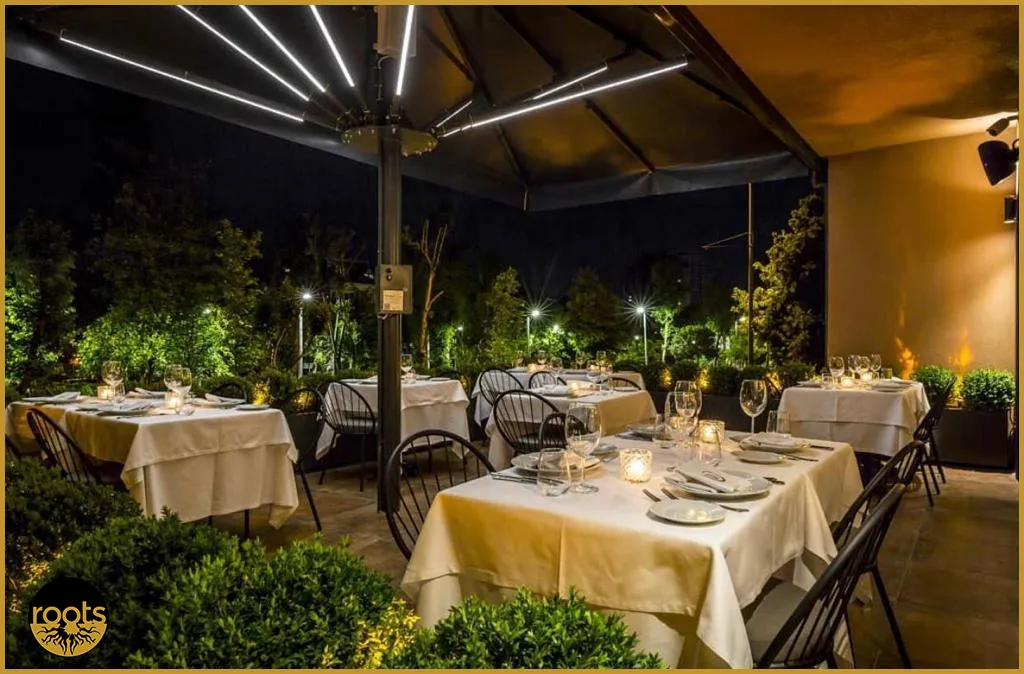
The Importance of an Architectural Approach in Restaurant Interior Design
The success of a restaurant is directly related not only to the quality of the dishes served but also to the atmosphere the customer feels from the moment they walk through the door. Architectural restaurant design goes beyond an aesthetic appearance; it is operational efficiency, customer comfort and the physical embodiment of brand identity. While a correct interior design determines the spirit of the space, it also optimizes the working speed of the staff and the time the customer spends in the space.
A well-constructed space offers guests not just a dining area but an experience. At the center of this experience are technical details such as acoustic planning, lighting balance and ergonomic layout. A professional design process aims to increase the functionality of the space by reducing the long-term costs of business owners.
Who Is Architectural Design Suitable For?
Restaurant interior designs are necessary not only for businesses that will newly open but for all gastronomy professionals who want to modernize their existing structure. A professional architectural touch becomes critical especially in the following situations:
- Start-up restaurant ventures that want to create a new brand identity.
- Businesses experiencing operational problems in their existing space and wanting to optimize their workflow.
- Venues that want to expand their target audience or offer a higher segment service.
- Brands on the path to chaining that need a standard concept.
Which Needs Are Met in Restaurant Design?
An architectural project addresses all the components of a restaurant as a whole. The main needs met in this process are as follows:
- Circulation Planning: The route of the waiters between the kitchen and the tables is shortened, and customers' entry and exit to the space is ensured to be unobstructed.
- Zoning (Partitioning): Solving technical areas such as the kitchen, service area, bar, WC and storage in the correct square meters and in the correct locations.
- Atmosphere and Light Management: Establishing the balance between focal point lighting, which makes the dishes look appetizing, and general lighting, which ensures the comfort of the guests.
- Acoustic Solutions: Creating a peaceful dining environment with material choices that prevent noise pollution during busy hours.
Material Selection: Durability and Aesthetics Comparison
In restaurant designs, material selection directly affects both the operating cost and the lifespan of the space. The following table evaluates frequently preferred material types according to different criteria:
| Material Type | Durability | Area of Use | Cost / Efficiency |
|---|---|---|---|
| Natural Stone / Marble | High (Heat Resistant) | Counters, Bar Tops | High Cost / Luxurious Appearance |
| Solid Wood | Medium (Requires Maintenance) | Tables, Panel Cladding | Medium Cost / Warm Atmosphere |
| Industrial Epoxy | Very High | Floor, Kitchen Area | Economical / Hygienic Solution |
| Metal / Stainless Steel | Maximum | Kitchen, Decorative Details | High Durability / Long Life |
Things to Consider Before Purchasing
Considering the following criteria before receiving a design service or moving on to the implementation process will accelerate the return on investment:
- Menu and Concept Harmony: The design of a fast-food venue and the design of a fine-dining venue; from furniture selection to lighting color, must be completely different.
- Kitchen Capacity: The dining area capacity and the kitchen production speed must be proportional. Adding extra tables does not always mean more profit; if service is disrupted, customer loss occurs.
- Sustainability: Materials that are easy to clean, stain-resistant and resistant to wear should be preferred.
- Official Regulations: Legal obligations such as fire exits, ventilation standards and disabled access must form the basis of the design.
Frequently Asked Questions
1. Does restaurant design affect business turnover?
Yes, it directly affects it. While a correct layout plan increases table turnover rate, a comfortable atmosphere helps you build a loyal customer base.
2. What design approach should be followed for small venues?
In small spaces, a sense of depth is created by using mirrors, light color palettes and multi-functional furniture. The use of vertical areas for storage and decoration is prioritized.
3. How is cost optimized during the design process?
Making material-focused innovations instead of structural changes and enriching the space with the right lighting setup is the key to creating major transformations while preserving the budget.
4. Why is lighting so important?
Lighting affects customers' psychology and appetite. While the wrong light color can make food look pale, overly bright light leads guests to want to leave the venue quickly.
In conclusion, restaurant interior design is not a luxury, but a mandatory necessity to survive and stand out in the highly competitive gastronomy sector. A professional architectural approach combines aesthetic values with engineering solutions, extending the commercial life of your business.











































































