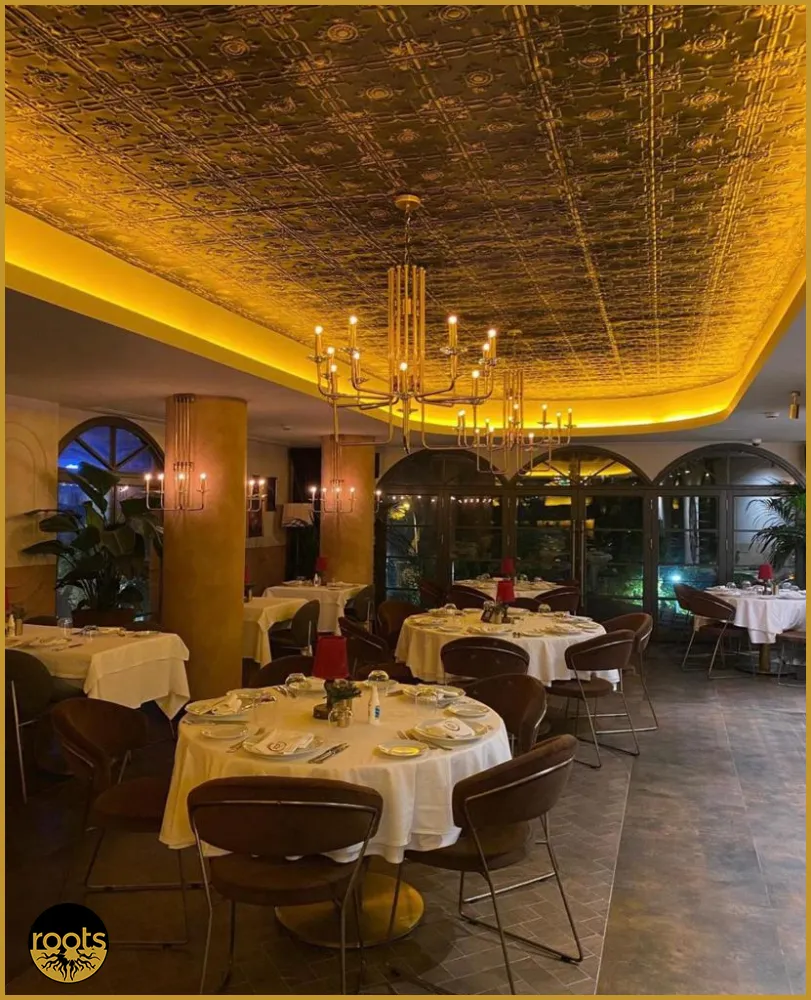
Architectural Restaurant Design and Interior Dynamics
The success of a restaurant is directly related to the atmosphere in which the flavors are presented as much as the flavors it offers. Architectural restaurant design is not only a visual arrangement, but also an engineering process that optimizes operational efficiency and customer experience. A correct interior design determines the comfort, trust and brand perception the customer feels from the moment they enter the venue until the moment they leave.
What Does Restaurant Interior Design Do?
Professional interior design is the fundamental element that supports the commercial sustainability of a business. The design process considers the physical boundaries of the venue, kitchen workflow, staff movement areas and customer circulation as a whole. A well-planned venue, while increasing service speed, reduces staff fatigue and makes the customer feel special. In addition, thanks to acoustic planning, noise pollution is prevented, and lighting strategies make the presentation of dishes much more appetizing.
Who Is It Suitable For and What Needs Does It Meet?
This service is of vital importance for investors planning to open a new business, business owners who want to modernize their existing venue, or chain restaurants that want to reflect their brand identity onto a physical space. The design process responds to the following fundamental needs:
- Space Optimization: Establishing the balance between maximum seating capacity per square meter and spaciousness.
- Brand Identity: Making the culinary culture offered by the business (Fine Dining, Fast Casual, Cafe, etc.) compatible with the decoration.
- Technical Infrastructure Solutions: Designing ventilation, air conditioning and kitchen plumbing without compromising aesthetics.
- Legal Compliance: Projecting in accordance with fire regulations, accessibility standards and hygiene rules.
Material Selection and Comparison in the Design Process
The materials selected in restaurant designs both reflect the spirit of the venue and directly affect operating costs (maintenance, repair, cleaning). The following table compares the performance characteristics of frequently preferred material types:
| Material Type | Durability Level | Area of Use | Cost Axis | Maintenance Need |
|---|---|---|---|---|
| Natural Stone / Marble | High | Entrance, Bar Counter, Floor | High | Medium (Periodic Polishing) |
| Solid Wood | Medium | Furniture, Wall Panels | Medium - High | High (Moisture Control) |
| Industrial Metal | Very High | Kitchen, Decorative Details | Medium | Low |
| Ceramic / Porcelain | High | Kitchen, Wet Areas, Floor | Economical - Medium | Very Low |
Points to Consider Before Purchasing and Implementation
Before starting to work with an architectural office or design team, the following points should be emphasized to guarantee the success of the project:
- Kitchen and Service Balance: The kitchen area should cover approximately 25-30% of the total area. This ratio determines the speed of the operation.
- Lighting Scenarios: Different automation systems should be considered for benefiting from daylight and for the ambiance to be created in the evening hours.
- Acoustic Comfort: Sound-absorbing panels or suitable textile products should be used so that customers can hear each other comfortably.
- Material Quality: Commercial venues are used much more intensively than homes. For this reason, "heavy-duty" materials should be preferred.
- Flexibility: An infrastructure (modular furniture, socket locations, etc.) that allows for future table layout changes should be designed.
Frequently Asked Questions
Question 1: What should the concept selection in restaurant design be based on?
Answer: The concept must be compatible with the expectations of the target audience, the type of food to be served and the texture of the location where the venue is situated. For example, while more energetic colors and hard surfaces are preferred in a venue focused on fast consumption; in venues where long seating periods are expected, warm light and comfortable textiles come to the fore.
Question 2: How are interior architectural design costs determined?
Answer: Costs vary depending on the square meterage of the project, the quality of the selected materials, the current technical condition of the venue (infrastructure needs) and the level of detail of the design. When planning a budget, an allowance must definitely be set aside for unexpected technical expenses.
Question 3: Why is ergonomics important in restaurant design?
Answer: Ergonomics is critical for both customer comfort and staff efficiency. The width of the corridor the waiter will pass through while serving, the distance between tables and the seat height of the chairs directly affect customer satisfaction and operational speed.
Conclusion and Evaluation
In modern restaurant management, venue design is as decisive an element as the taste of the food. Investments in Restaurant interior designs return in the long run as customer loyalty and brand value. An architectural approach built with the right strategy, combining aesthetics and functionality, is the most powerful tool that sets your business apart from its competitors. Turning to solutions that have a command of technical details during the project phase, understand operational processes and think user-oriented will open the door to commercial success.











































































