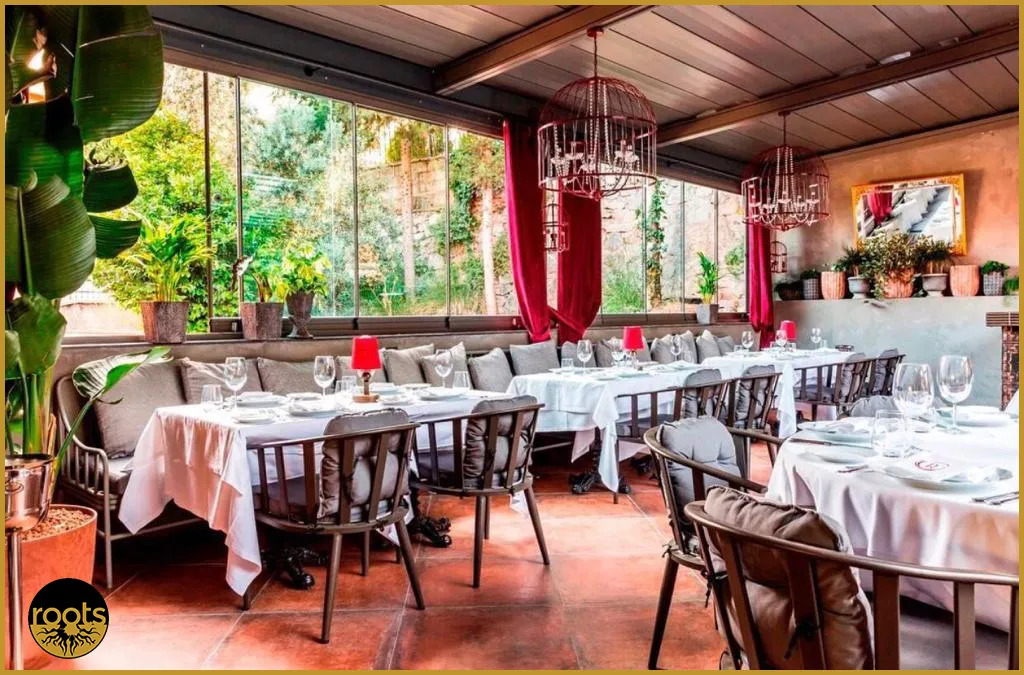
Comprehensive Architectural and Interior Design Solutions for Your Restaurant
Success in restaurant management is directly related not only to delicious food but also to the atmosphere of the space where you host your guests. A restaurant's architectural design and interior arrangement form the cornerstones of creating an unforgettable experience for your customers. In this comprehensive guide, we will examine in detail the architectural design and interior solutions that will reflect your restaurant's identity, prioritize functionality and increase your brand value.
What Is Architectural Restaurant Design?
Architectural restaurant design is the planning and project development process carried out to meet both the aesthetic and functional requirements of a dining space. This process adopts a holistic approach by considering the overall concept of the space, guest flow, efficiency of kitchen operations, seating arrangement, lighting, material selection and even environmental impacts.
What Are the Basic Elements of Architectural Restaurant Design?
- Concept Development: Creating a theme and atmosphere suited to the restaurant's target audience, the cuisine offered and the brand's story.
- Spatial Planning: Creating a layout where guests can move comfortably, staff can work efficiently and operational processes can proceed smoothly.
- Facade Design: Architectural elements that ensure the restaurant's exterior appearance is compatible with its surroundings and eye-catching.
- Interior Design: The functionality and aesthetics of areas such as seating areas, bar, waiting lounge and restrooms.
- Lighting Design: Lighting solutions that determine the atmosphere of the space, reveal highlights and increase overall comfort.
- Material and Color Selection: Determining durable and aesthetic materials and color palettes suited to the concept of the space.
- Acoustic Solutions: Ensuring guest comfort by keeping the sound level inside the space under control.
- Sustainability: Integration of environmentally friendly approaches such as energy efficiency and recyclable materials.
Why Are Restaurant Interior Designs Important?
Restaurant interior designs directly affect guests' perceptions and experiences from the moment they first step into the space. A well-designed interior:
- Strengthens Brand Identity: The design of the space gives the first impression about the quality and style of the service the restaurant offers.
- Enhances Guest Experience: Comfortable seating areas, a pleasant atmosphere and a smooth layout increase the likelihood of guests staying longer and coming back.
- Provides Operational Efficiency: A layout where staff can move comfortably, service processes are accelerated and coordination between the kitchen and service is facilitated can reduce operational costs.
- Maximizes the Potential of the Space: With the right seating arrangement and use of space, it offers the opportunity to serve more guests.
- Creates a Competitive Advantage: Original and eye-catching designs enable you to stand out from other restaurants.
Who Is It Suitable For?
Architectural restaurant design and interior solutions are ideal in the following situations and for business owners:
- Entrepreneurs Opening a New Restaurant: Those who want to create a design plan that accurately reflects brand identity while creating a space from scratch.
- Those Who Want to Renovate Their Existing Restaurant: Operators who want to modernize an outdated or dysfunctional space, update its concept or increase customer satisfaction.
- Those Planning a Concept Change: Those who will switch to a different type of cuisine, change their target audience or want to bring a new breath to their space.
- Those Who Want to Increase Brand Value: Those who aim to turn their restaurant from just a dining place into an experience destination.
- Those Who Want to Establish a Restaurant Chain: Those who want to create a consistent design language that will set brand standards.
Which Needs Does It Meet?
Professional architectural restaurant design and interior solutions meet many critical needs of your business:
- Aesthetic and Visual Appeal: Designs that will impress your guests and reflect the spirit of your venue.
- Functional Use of Space: Optimization of every detail, from kitchen efficiency to the comfort of the seating layout.
- Guest Comfort and Satisfaction: Comfortable seating layouts, appropriate lighting, intelligently planned service areas.
- Operational Efficiency: Arrangements that facilitate staff movement and speed up service flow.
- Spatial Flow and Sustainability: Designs that ensure seamless movement of guests and staff.
- Brand Integration: Integration of every element into the design, from your restaurant's logo to its colors, from the service it offers to its atmosphere.
- Technological Integration: Integration of modern technologies such as smart lighting and sound systems into the design where necessary.
In Which Situations Should It Be Preferred?
In the following situations, choosing a professional architectural restaurant design service will be the right decision:
- If the Venue Has Structural Problems: Disadvantages such as columns, beams or existing installations can be turned into advantages with architectural solutions.
- If the Existing Space Is Insufficient or Used Inefficiently: If the venue needs to be rearranged to host more guests or improve service flow.
- If the Brand Identity Is Unclear or Weak: If the restaurant is to gain a unique identity and atmosphere.
- If Differentiation from Competitors Is Desired: If the goal is to stand out in the market with an original and memorable design.
- If a Long-Term Investment Is to Be Made: If the venue is planned to be designed for the future both aesthetically and functionally.
In Which Aspects Does It Differ from Alternatives?
The main differences of choosing a professional architectural restaurant design service from standard decoration or arrangements made on your own are as follows:
- Holistic Approach: Instead of focusing only on visuals, it addresses all elements such as the functionality of the venue, guest experience, operational efficiency and brand identity together.
- Expertise and Experience: Architects and designers offer more effective solutions by knowing the dynamics of the food and beverage sector, user psychology and material technologies.
- Legal Compliance and Standards: Projects are developed in accordance with legal requirements such as fire regulations and accessibility standards.
- Cost Efficiency: Although the initial investment cost may seem high, in the long term it can reduce costs through energy savings, less need for renovation and increased customer satisfaction.
- Technological Possibilities: All details of the project can be visualized in advance using modern design software and simulation tools.
- Custom Solutions: Designed specifically for the unique needs and vision of each restaurant, avoiding template solutions.
Material Selection: Durability, Area of Use and Cost Comparison
In restaurant designs, material selection is of critical importance for the aesthetics, durability and budget of the venue. Here is a comparative table of some popular material types:
| Material Type | Durability (High/Medium/Low) | Indoor Use | Outdoor Use | Average Cost (Low/Medium/High) | Advantages | Disadvantages |
|---|---|---|---|---|---|---|
| Natural Stone (Marble, Granite) | High | Floor, Wall, Countertop | Partially (Exterior cladding) | High | Prestigious appearance, Long-lasting, Easy to clean. | Heavy, Difficult to install, Can be slippery, Can stain. |
| Wood (Solid, Veneer) | Medium (Requires maintenance) | Floor, Wall, Furniture, Ceiling | Partially (Specially treated) | Medium-High | Warm and natural atmosphere, Aesthetic variety. | Risk of scratching and staining, Affected by moisture, Flammable. |
| Ceramic and Porcelain | High | Floor, Wall, Countertop | Floor and wall with suitable types | Low-Medium | Durable, Resistant to water and stains, Wide pattern options. | Fragile (if dropped), Can feel cold. |
| Concrete (Decorative) | High | Floor, Wall, Countertop, Ceiling | Partially (Specially coated) | Low-Medium | Modern and industrial look, Very durable, Easy to apply. | Can stain, Can feel hard and cold, May require maintenance. |
| Metal (Stainless Steel, Iron) | High | Furniture, Lighting, Accessories, Kitchen equipment | Outdoor furniture and facade elements with suitable types | Medium-High | Durable, Hygienic, Modern and industrial aesthetic. | Cold feel, Risk of limescale (untreated iron), Can be scratched. |
| Glass (Tempered, Decorative) | Medium (Fragile) | Tabletops, Partitions, Lighting, Decorative panels | Facade claddings, Doors | Medium | Makes the space feel spacious, Stylish appearance, Easy to clean. | Risk of breakage, Can show fingerprints. |
What Should Be Considered Before Purchasing?
Important points to consider before starting a restaurant design and implementation process are as follows:
- Budget Determination: Create a clear budget that includes design, material, implementation and possible renovation costs.
- Target Audience Analysis: Know the customer profile your venue will appeal to well. Your design choices should be appropriate for this.
- Concept Definition: Clearly determine your restaurant's concept, the cuisine it will offer, and the atmosphere it wants to create.
- Spatial Analysis: Analyze the pros and cons of the existing space, its lighting conditions, and ease of access in detail.
- Get Professional Support: Working with experienced architects and designers both facilitates the process and prevents unexpected problems.
- Review References: Understand the style of the design team by reviewing their previous projects and photos of the venues they have worked on.
- Communicate: Establish clear and honest communication with the design team and express your expectations clearly.
- Contract Details: Make a contract that includes details such as the scope of the work to be done, delivery times, and payment terms.
- Material Quality and Certificates: Question the durability of the materials to be used, hygiene standards, and certificates if any.
Frequently Asked Questions (FAQ)
To determine the most suitable concept, you should first consider your target audience, the cuisine you will offer, the location of your restaurant and the brand image you want to achieve. By working with an architectural design consultant, you can develop the most suitable concept together in line with market research and trend analyses. Examining reference venues and drawing inspiration during this process will also be beneficial.
Getting professional help makes a big difference, especially in complex or large-scale projects. Architects and interior architects have the technical knowledge to both meet your aesthetic expectations and consider the functionality of the space, material selections, legal requirements and operational efficiency. Details that may be overlooked in designs you do yourself can lead to costly problems in the long run.
Material selection has a direct effect on your restaurant's aesthetic appearance, durability, hygiene standards and overall budget. For example, natural stones offer a prestigious look but can increase costs, while ceramics are a more economical and durable alternative. Expert designers help you identify long-lasting and functional materials that both meet your aesthetic expectations and suit your budget.
Working with an architect enables you to maximize the potential of your space. Architects create an aesthetic and functional integrity by considering technical details such as user experience, ergonomics, lighting and acoustics. In addition, since they are familiar with construction regulations, they ensure that your project complies with the law and guide you in dealing with unexpected problems. This means a more efficient and trouble-free business in the long run.











































































