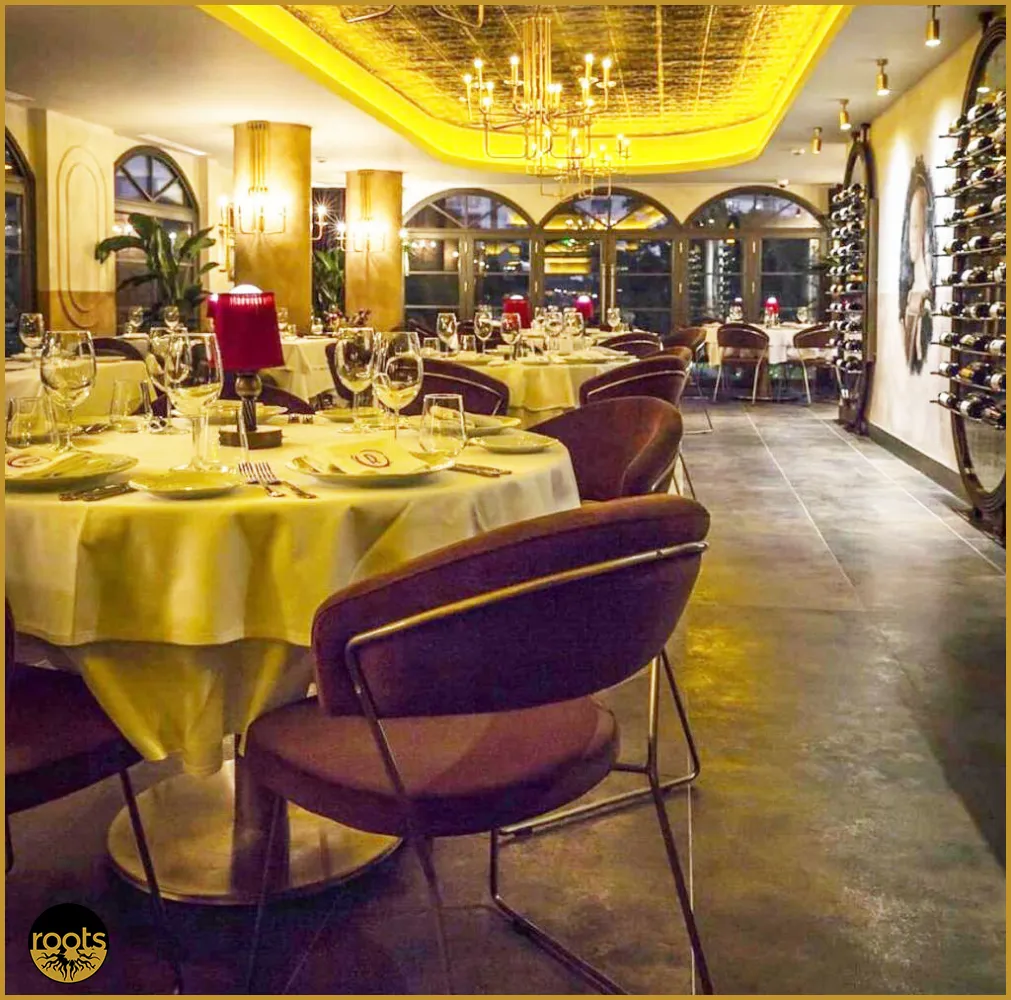
Architectural Restaurant Design: Rebuild Your Venue's Identity
The success of your restaurant is not limited to the flavors you offer. It is essential to provide a holistic experience that begins the moment your guests step into the venue and is crowned by the flavors coming from the kitchen. At this point, architectural restaurant design comes into play to give your venue a unique identity and create an unforgettable customer experience.
Restaurant interior designs are not merely a matter of aesthetic concern. It is also a strategic process that brings together many elements such as functionality, brand identity, guest comfort and operational efficiency. A well-designed restaurant attracts your target audience, builds loyalty and, most importantly, directly affects the overall success of your business.
What Is Architectural Restaurant Design and What Does It Do?
Architectural restaurant design is the process of planning, projecting and implementing the interior and exterior spaces of a restaurant in terms of aesthetics, functionality and concept. While this process determines the overall atmosphere of the venue, it also covers every detail from kitchen layout to seating areas, from lighting to material selection.
Its Main Benefits Are as Follows:
- Strengthens Brand Identity: Design tells the story of your restaurant and reflects its mission and values. An original concept sets you apart from your competitors.
- Improves Customer Experience: A comfortable and inviting atmosphere allows your guests to stay longer, increases their satisfaction and encourages you to receive positive feedback.
- Increases Operational Efficiency: A well-thought-out layout enables your staff to move more comfortably, speeds up the service flow and strengthens communication between the kitchen and the dining area.
- Optimizes Space Usage: Using the space in the most efficient way can increase seating capacity and create areas that appeal to different customer groups.
- Increases Venue Value: Professional design raises the value of your restaurant and makes it attractive to potential investors or buyers.
- Elevates Customer Perception: The quality of the venue also creates a preliminary perception about the quality of the product offered.
Who Is It Suitable For and Which Needs Does It Meet?
Architectural restaurant design is beneficial for food and beverage businesses of every scale and type. Whether you are opening a new restaurant or renovating your existing venue, this service offers solutions to your needs:
- Those Opening a New Restaurant: It is ideal for those who want to create a concept from scratch and define the spirit and target audience of the venue.
- Those Who Want to Renovate Their Existing Venue: Business owners who want to turn an old, outdated or inadequate venue into a current, functional and attractive one.
- Those Who Want to Strengthen Brand Identity: Those who want to clarify their restaurant's concept, create an original atmosphere and differentiate themselves from their competitors.
- Those Experiencing Operational Problems: Businesses experiencing disruptions in service flow, insufficient seating areas or difficulties in staff movement.
- Those Who Want to Increase Customer Satisfaction: Those who want to raise return rates by offering their guests a more comfortable and enjoyable experience.
- Those Targeting Different Concepts: Those looking for special designs for different segments such as luxury fine-dining, casual bistro, themed cafe, fast-service restaurant.
In Which Situations Should Restaurant Design Be Preferred?
Restaurant design should be seen as a strategic investment in line with specific situations and goals:
- When Establishing a New Business: The first impression of the venue forms the foundation of your brand identity.
- When Carrying Out a Major Renovation: If you plan to significantly change the physical structure or functionality of the venue.
- When Making a Concept Change: When you decide to change your restaurant's menu, target audience or overall atmosphere.
- When the Competitive Environment Is Intense: In situations where competition is high in your sector, an original design is needed to stand out.
- When Customer Complaints Increase: If there are customer dissatisfactions arising from the physical conditions of the venue.
- When Technological or Trend Updates Are Required: When modern and efficient solutions are sought in elements such as lighting, sound systems and ventilation.
What Are Its Differences from Alternatives?
There are significant differences between a standard decoration or a haphazard arrangement and professional architectural restaurant design:
- Comprehensive and Strategic Approach: Professional design does not focus solely on aesthetics. It evaluates many factors together, such as the soul of the space, brand identity, operational flow, target audience and budget. Arbitrary decoration, on the other hand, generally remains superficial.
- Functionality and Ergonomics: In professional design, operational details such as staff movement areas, customer comfort and service speed are meticulously planned. In standard decorations, these elements may be overlooked.
- Technical Knowledge and Expertise: The expertise of architects and designers in subjects such as lighting, acoustics, materials science and building regulations ensures that the project is flawless both aesthetically and legally.
- Long-Term Investment: A professional design, with durable materials and rational solutions, preserves the value of the space for many years and can reduce renovation costs.
- Originality and Brand Identity: A concept developed specifically for each space emphasizes the uniqueness of your brand. Ready-made decorations, on the other hand, can be repetitive and ordinary.
Types of Materials Used in Restaurant Design
In restaurant design, the choice of materials directly affects the atmosphere, durability and budget of the space. Here are some commonly used types of materials and their comparisons:
| Material Type | Durability | Indoor Use | Outdoor Use | Average Cost |
|---|---|---|---|---|
| Wood (Natural, Veneer, Composite) | Medium-High (Varies by application and type) | High (Floor, wall, ceiling, furniture, decorative elements) | Limited (Requires special treatment and protection) | Medium-High |
| Natural Stone (Marble, Granite, Travertine, etc.) | High | High (Floor, wall cladding, countertop, decorative elements) | High (Must be selected suitable for surfaces) | High |
| Ceramic and Porcelain | High | High (Floor, wall, countertop) | High (Outdoor ceramics) | Low-Medium |
| Metal (Stainless Steel, Iron, Aluminum) | High | High (Furniture, lighting, architectural details) | Medium-High (With corrosion-resistant coatings) | Medium-High |
| Concrete and Exposed Concrete | High | High (Floor, wall, ceiling, furniture) | Medium (Surface protection required) | Low-Medium |
| Glass (Tempered, Laminated, Decorative) | Medium-High (Varies by type) | High (Glass partitions, tables, lighting, decorative elements) | Medium (Safety requirements) | Medium-High |
| Textile Products (Fabric, Leather, Vinyl) | Medium (Must be resistant to wear and stains) | High (Furniture upholstery, curtains, acoustic panels) | Low (Sensitive to moisture and UV rays) | Low-High (Depending on material) |
Points to Consider Before Purchasing
Paying attention to the following points before starting an architectural restaurant design project and when choosing a designer/company will ensure that the process is successful and satisfactory:
- Determine Your Budget Clearly: Consider all possible costs from the design process to the implementation stage. Professional designers can offer solutions that fit your budget.
- Define Your Target Audience: Understanding whom you want to serve, their expectations and lifestyles is critical to creating the right concept.
- Determine Your Brand Identity: Clarifying the type of cuisine your restaurant offers, service quality, price range and the atmosphere it aims for will form the foundation of the design.
- Review References: Evaluate the designer's or company's style, quality of work and customer satisfaction by reviewing their previous restaurant projects.
- Question the Conceptual Understanding: Learn from the designer how they understand your vision and how they will transform this vision into design. Do they only have aesthetic concerns, or do they also prioritize functionality?
- Communication and Clarity: Make sure you can communicate comfortably with the designer and that they understand you. A working principle where you receive regular feedback throughout the process is important.
- Learn the Legal Requirements: Compliance with local regulations such as fire safety, disabled access and hygiene standards is a fundamental part of the design.
- Focus on Technical Details: Pay attention not only to appearance but also to technical details such as lighting, ventilation, acoustics and material durability.
Frequently Asked Questions (FAQ)
The success of your restaurant is directly proportional to the atmosphere and functionality of your space as much as the flavors you offer. Professional architectural restaurant design establishes this balance, enabling you both to offer your guests an unforgettable experience and to increase the operational efficiency of your business. Take the right step to take your space to the next level.











































































