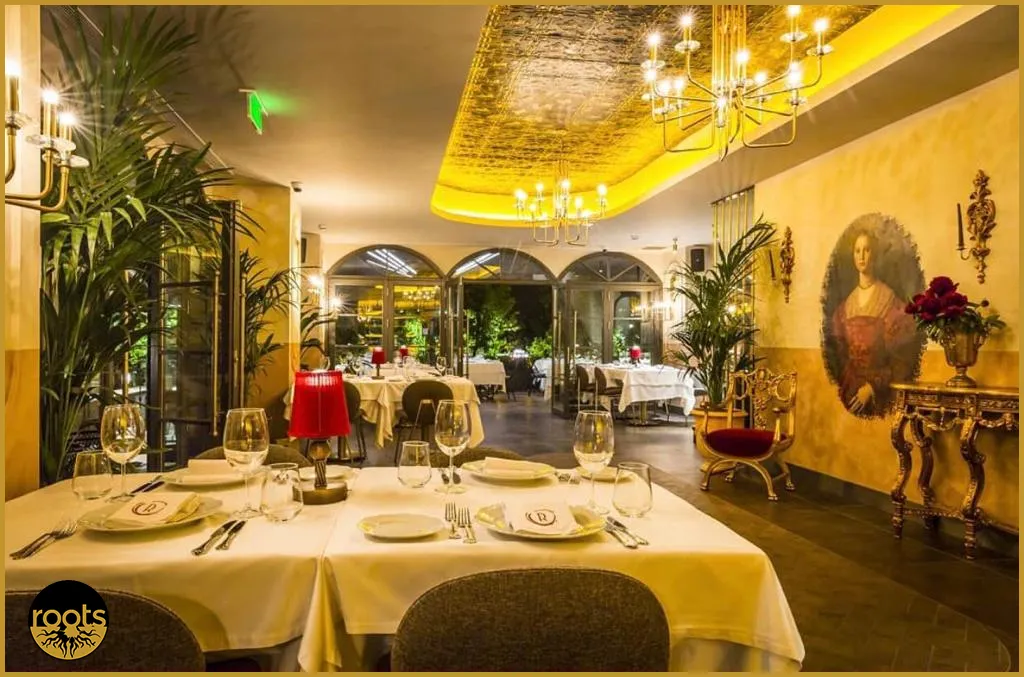
Architectural Restaurant Design: Shape Your Space for a Delicious Experience
The success of a restaurant is directly related not only to the flavors it offers but also to the atmosphere and experience it presents to its guests. Architectural restaurant design is one of the most important elements that form the foundation of this experience. A well-designed space impresses your customers from the moment they step inside, puts them at ease and invites them on an unforgettable gastronomic journey.
This comprehensive guide will guide you through the process of choosing the right interior design for your restaurant and answer all the questions you may have. Whether you are opening a new restaurant or want to renovate your existing space, this information will support your decision-making process.
What Does Restaurant Design Do?
Restaurant design is not limited to the aesthetic appearance of a space. It also fulfills the following core functions:
- Enhancing the Customer Experience: A relaxing atmosphere, the right lighting and a cleverly planned seating layout ensure that customers stay longer and are satisfied.
- Reflecting Brand Identity: Design visually communicates your restaurant's concept, values and target audience. This strengthens brand awareness and loyalty.
- Optimizing Operational Efficiency: Optimizing elements such as kitchen layout, service areas and customer flow increases staff efficiency and raises service quality.
- Providing Maximum Capacity and Revenue Potential: Smart use of the space allows you to host more customers and therefore increase your revenue potential.
- Making a Difference in Competition: An original and striking design helps you stand out from your competitors and come to the fore.
Who Is It Suitable For?
Architectural restaurant design and interior arrangements are of critical importance for gastronomic businesses of every scale and type:
- Restaurants to Be Newly Opened: The right design from the concept stage lays a solid foundation for the business.
- Those Who Want to Renovate Their Existing Restaurants: Modernizing outdated spaces or ones that have lost their functionality increases customer satisfaction and appeal.
- Those Who Want to Emphasize a Specific Concept: Special designs required by different concepts such as fine dining, bistro, cafe, steakhouse and vegan restaurant.
- Businesses in Touristic Areas: Designs that reflect local culture or comply with international standards can appeal to a wide audience.
Which Needs Does It Meet?
Effective restaurant design meets various needs of the business owner and its customers:
- Need for Aesthetics and Atmosphere: Creating an ambiance that is pleasing to the eye, inviting and suited to the concept.
- Need for Comfort and Ergonomics: A layout where customers can sit comfortably and there is sufficient room to move.
- Need for Functionality and Usability: A planning where service staff can work comfortably and the kitchen flow is efficient.
- Need for Safety and Hygiene: Selection of materials compliant with food safety standards and use of easily cleanable surfaces.
- Need to Strengthen Brand Image: The design reflecting the restaurant's values and vision.
In Which Situations Should It Be Preferred?
The following situations highlight the necessity of professional architectural restaurant design and interior planning:
- At the Concept Determination Stage: When determining the restaurant's main theme, target audience and the type of cuisine it will offer, the design must support this concept.
- When the Space Has Physical Constraints: In restaurants with a small or irregular area, an expert designer can maximize the potential of the space.
- Need to Optimize Customer Traffic and Seating Layout: To host more customers or use the existing area more efficiently.
- When Wanting to Offer a New Experience: To attract customers by creating a different and extraordinary atmosphere.
- In Brand Renewal or Restoration Projects: It is one of the most effective ways to refresh the business's image and increase its competitiveness.
Material Types Used in Restaurant Design and Their Comparison
In restaurant design, material selection is of great importance in terms of the space's durability, aesthetics, maintenance and cost. The advantages and disadvantages of different materials should be evaluated according to the specific requirements of the project.
| Material Type | Durability (Against Heavy Use) | Indoor Use | Outdoor Use | Cost (Average) | Features and Points to Consider |
|---|---|---|---|---|---|
| Natural Stone (Marble, Granite) | Very High | Floor, Countertop, Wall Cladding | Suitable (Specially Treated) | High | Aesthetic, may give a feeling of coldness, may stain (if untreated), requires regular maintenance. |
| Wood | Medium - High (Depending on Type and Treatment) | Floor, Furniture, Wall Cladding, Ceiling | Partially (With Suitable Varnish/Treatment) | Medium - High | Gives a feeling of warmth, natural appearance, must be protected from moisture and scratches. |
| Concrete (Polyurethane, Epoxy Coated) | Very High | Floor, Countertop, Wall | Suitable | Medium | Modern, industrial look, stain-resistant, easy to clean. |
| Ceramic and Porcelain | High | Floor, Wall, Countertop | Suitable | Low - Medium | Various patterns and textures, durable, easy to clean, slip resistance is important. |
| Metal (Stainless Steel, Iron) | High | Furniture, Lighting, Decorative Elements | Suitable (If Coated) | Medium - High | Modern, industrial or vintage look, may require maintenance. |
| Glass | Low - Medium (Non-Tempered) | Tabletop, Partitions, Decoration | Suitable (Tempered Preferred) | Low - Medium | Transparency, feeling of spaciousness, risk of breakage, easy to clean. |
| Fabric (Upholstery) | Medium (If Chosen Resistant to Wear and Stains) | Sofa, Chair Upholstery | Not Used | Low - Medium | Comfort, variety of colors and textures, stain resistance and easy cleanability are important. |
Points to Consider in Restaurant Design
Paying attention to the following points for a successful restaurant design will ensure that your venue stands out both aesthetically and functionally:
- Concept and Theme Consistency: Your design must align with your restaurant's identity, the dishes it offers and its target audience.
- Customer Flow and Seating Layout: Smart planning must be done so that customers can move comfortably and waiters do not have difficulty while serving.
- Lighting: Choosing the right lighting for both the overall ambiance and at table level directly affects the presentation of the food and the customer experience.
- Acoustics: The sound arrangement of the venue should prevent customer conversations from being disturbing and should create a warm atmosphere.
- Material Selection: Durability, easy cleanability, aesthetics and cost factors should be evaluated together.
- Integration of Kitchen and Service Areas: It is essential that kitchen planning supports the service flow and ensures operational efficiency.
- Bathroom Design: The bathroom is part of the customers' overall experience and must be clean, stylish and well-maintained.
- Disabled Accessibility: Necessary arrangements must be made so that all customers can easily access and use the venue.
- Technological Integration: Integrating elements such as sound systems, lighting control and digital menus into the design.
Frequently Asked Questions (FAQ)
The right architectural restaurant design and interior arrangements not only provide visual appeal, but also increase the operational efficiency of your business and offer your guests an unforgettable experience. Acting with an expert perspective to maximize the potential of your venue is one of the most important steps that guarantees success in the long term.











































































