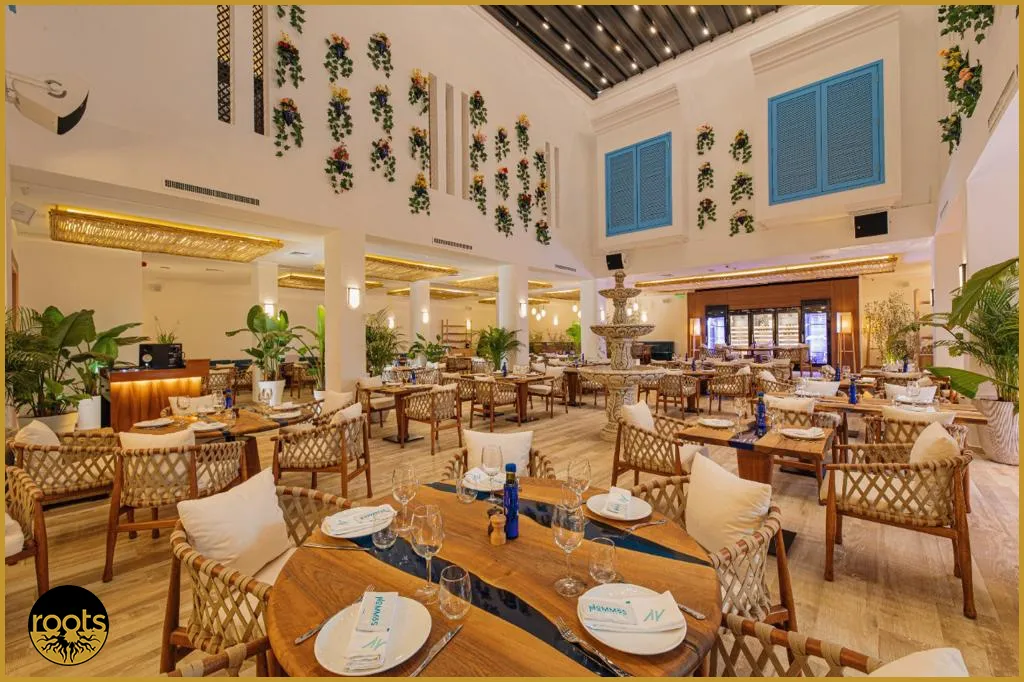
ARCHITECTURAL RESTAURANT DESIGN AND RESTAURANT INTERIOR DESIGNS
Create spaces that will enchant your guests and offer unforgettable experiences.
What Is Architectural Restaurant Design and Why Is It Important?
Architectural restaurant design is not just about creating a dining area; it is a comprehensive interior and exterior arrangement process that reflects the soul of your brand, impresses your guests and supports operational efficiency. This process enables a restaurant to become more than just a place that serves food; it becomes a center of experience.
Successful restaurant design creates an atmosphere that will leave a mark in your customers' memory while also offering an environment where staff can work comfortably and efficiently. This is as important as your menu; because your customers' first impression begins the moment they step through the door.
Who Is It Suitable For and Which Needs Does It Meet?
Professional restaurant design services appeal to a wide audience and meet various needs:
- New Restaurant Owners: Indispensable for entrepreneurs who want to create a brand from scratch and carry their concepts into a physical space.
- Existing Restaurants: Businesses that want to renovate their spaces, strengthen their brand identity, improve the customer experience or solve operational problems.
- Restaurant Chains: To ensure brand consistency and capture the same standard and atmosphere in new branches.
- Hotel and Tourism Businesses: Institutions that want the restaurants or cafes within their establishments to be attractive and functional, in harmony with the hotel's overall concept.
- Those Seeking a Special Concept: Investors who want to create a unique and unforgettable space oriented toward a specific theme, cuisine or target audience.
Professional design increases the functionality of the space, adds aesthetic appeal, strengthens brand awareness and, as a result, carries the potential to increase customer satisfaction and profitability.
Why Should Professional Restaurant Design Be Preferred?
There are cases where restaurant design goes beyond merely looking beautiful. Spaces designed with a professional approach offer various advantages:
- Functionality and Efficiency: From kitchen layout to service flow, from restroom placement to storage areas, every detail is planned with operational efficiency and staff comfort in mind.
- Brand Identity and Atmosphere: A consistent brand identity and a unique atmosphere are created that reflect your restaurant's story, menu and target audience.
- Customer Experience: From seating arrangement to lighting, from acoustics to decorative elements, everything is designed to encourage customers to feel comfortable, have a pleasant time and come back.
- Cost Effectiveness: Correct planning and material selection made at the beginning allow you to save on maintenance, energy and operating costs in the long term.
- Legal Compliance: Compliance with local and national regulations such as fire safety, disabled access and hygiene standards is ensured.
- Competitive Advantage: A unique and attractive design sets you apart from your competitors and helps you become the first choice of your target audience.
Key Elements in Restaurant Interior Design
There are many design elements that must be carefully addressed for the success of a restaurant:
- Space Layout: Optimization of guest circulation, staff work areas, the relationship between the kitchen and service, and the overall flow.
- Lighting: Creating the desired atmosphere through a combination of general lighting, task lighting and accent lighting. Color temperature and light intensity are of critical importance.
- Acoustics: Providing a comfortable conversation environment through sound insulation and echo control. Keeping noise levels under control, especially in crowded restaurants, is essential for customer satisfaction.
- Furniture Selection: Selection of items such as tables, chairs and bar stools that are compatible with the concept of the space, durable, comfortable and functional.
- Color Palette: Use of colors that reflect brand identity, stimulate appetite and positively affect customers' mood.
- Material Selection: Determining the right materials by considering factors such as aesthetics, durability, ease of maintenance and cost.
- Decoration and Works of Art: Details that add uniqueness to the space, tell a story and complete the atmosphere.
- WC and Service Areas: These areas, which are an inseparable part of the customer experience, must be hygienic, aesthetic and functional.
Material Selection: Durability, Area of Use and Cost Comparison
Choosing the right materials in restaurant design has a direct impact on the aesthetics, durability, ease of maintenance and cost of the space. The following table compares the properties of some commonly used materials:
| Material | Durability | Interior/Exterior Architectural Use | Cost (Approximate) |
|---|---|---|---|
| Wood | Medium-High (depending on processing) | Mainly interior, exterior with special treatment | Medium-High |
| Metal (Steel, Copper, etc.) | Very High | Both interior and exterior | Medium-High |
| Concrete (Raw Concrete, Polished Concrete) | Very High | Both interior and exterior | Medium |
| Ceramic/Porcelain Tile | High | Both interior and exterior | Low-Medium |
| Glass | Medium (due to fragility) | Both interior and exterior | Medium-High |
| Fabric (Upholstery) | Low-Medium (depending on wear) | Mainly interior | Low-Medium |
| Natural Stone (Marble, Granite) | High | Both interior and exterior | High |
Things to Consider Before Purchasing
There are some important points you should consider before receiving a professional architectural restaurant design service:
- Determine Your Concept: Which cuisine will you offer? Who is your target audience? What will your restaurant's story be? The answers to these fundamental questions will form the main framework of the design.
- Set Your Budget: Setting a realistic budget for design and implementation prevents unnecessary spending and guides you in choosing the right materials/solutions.
- Research Legal Regulations: Knowing all local and national legal requirements in advance, such as food safety, fire regulations and accessibility standards, prevents you from experiencing problems during the design process.
- Choose an Expert Designer: Working with an architect or interior design team that is experienced in restaurant and cafe design, has a strong portfolio and speaks the same language as you is critical to the success of your project.
- Keep Functionality at the Forefront: In addition to aesthetics, consider how practical the space is for the kitchen team, service staff and guests.
- Evaluate Ease of Maintenance: The cleaning, maintenance and longevity of the selected materials and surfaces have a major impact on your operating costs.
Frequently Asked Questions (F.A.Q.)
Q: What are the trends in restaurant design?
A: Today, sustainability, the use of natural materials, personalized experiences, flexible and multifunctional spaces, open kitchen concepts and digital integration (for example, QR menus, online ordering points) are among the prominent trends. In addition, "Instagrammable" corners that encourage guests to share on social media are also popular.
Q: How should the design be for a small restaurant or cafe?
A: In small spaces, efficient use of the area is essential. With multifunctional furniture, storage solutions, light colors and plenty of lighting, the space can be made to look larger and more spacious. Mirrors and vertical gardens also help add depth. In addition, compact and ergonomic kitchen arrangements are of great importance.
Q: What should be considered to reduce restaurant design costs?
A: To reduce costs, durable and aesthetic alternatives can be chosen instead of luxury materials. Instead of custom-made furniture, mass-produced pieces that suit your concept can be preferred. In the implementation process, turning to simple but effective designs that will optimize labor costs and avoiding unnecessary details will also help reduce costs. Additionally, solutions that increase energy efficiency, such as lighting, can save on operating costs in the long term.
Q: How does outdoor restaurant design differ from indoor design?
A: In outdoor design, materials resistant to weather conditions (sun, rain, wind), shading systems (pergola, awning), and heating and cooling solutions are priorities. Planting and landscaping gain more importance. Outdoor furniture must be suitable for weather conditions and offer comfort and aesthetics together. Additionally, outdoor lighting, unlike indoor lighting, plays a key role in creating safety and ambiance.
Q: Is sustainable restaurant design possible and how is it implemented?
A: Yes, sustainable restaurant design is absolutely possible. It starts with the use of LED lighting and smart building systems that increase energy efficiency. Recycled or locally sourced, environmentally friendly materials (bamboo, recycled wood, low-VOC paints) should be preferred. Water-saving fixtures, waste management systems, and even a compost area can be part of sustainability strategies. Natural ventilation and maximizing daylight also reduce energy consumption.











































































