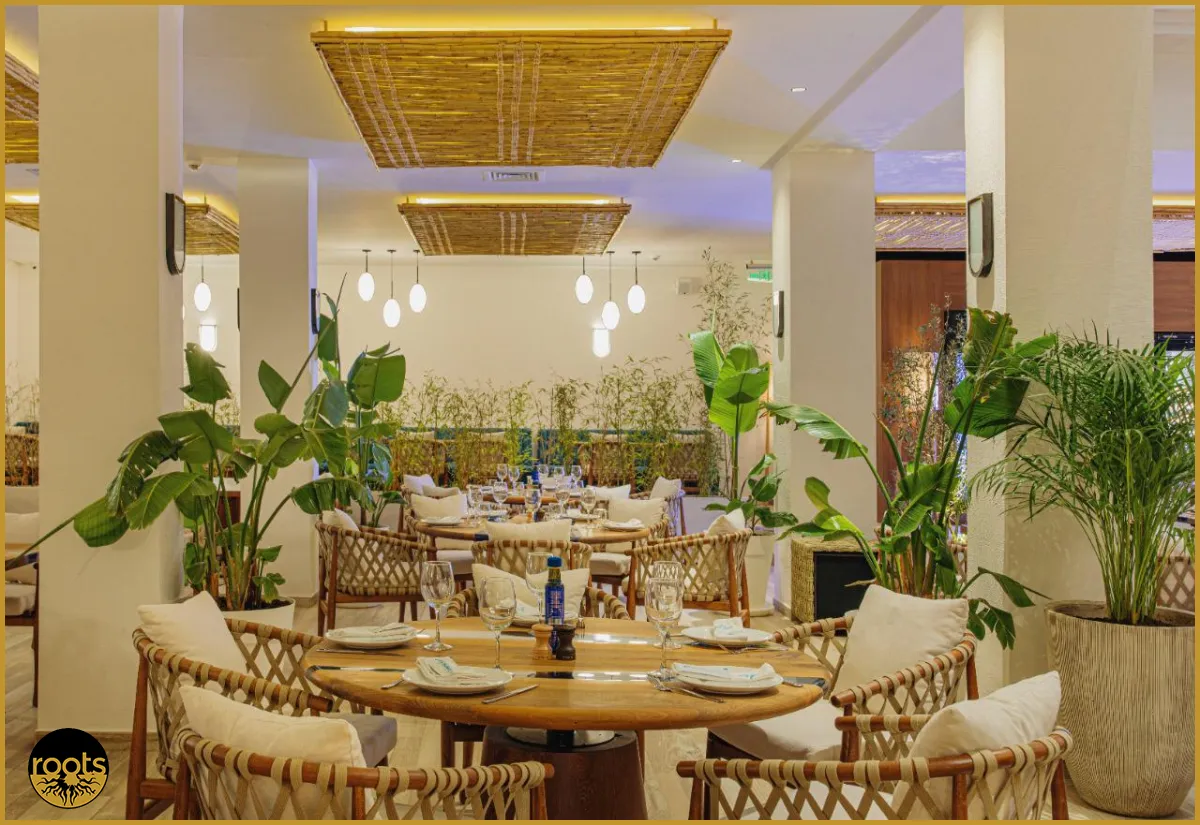
ARCHITECTURAL RESTAURANT DESIGN - RESTAURANT INTERIOR DESIGNS
Restaurant design, beyond being merely an aesthetic concern, is a critical element that directly affects the success of your business. The atmosphere of the space where you will host your guests reflects the quality of the service offered and the identity of your brand. A successful architectural restaurant design creates an area that appeals to both the eye and the soul, offering functional and unforgettable experiences.
Why Is Professional Restaurant Design Important?
The interior of your restaurant creates your customers' first impression. A well-thought-out design;
- Strengthens Brand Identity: A design suited to your concept tells your brand's story and enables you to differentiate from your competitors.
- Improves Customer Experience: Comfortable seating areas, effective lighting and a fluid space layout increase guests' length of stay and satisfaction.
- Provides Operational Efficiency: The harmonious design of the kitchen, service area and customer areas allows your staff to work more efficiently.
- Creates Visual Appeal: An aesthetically pleasing space increases the potential for sharing on social media and serves as a natural marketing tool.
Who Is It Suitable For?
Restaurant interior design and architectural projects are of great importance in the following situations:
- Restaurants to Be Newly Opened: When establishing a business from scratch, professional support is essential for the right concept and functionality.
- Renovation of Existing Restaurants: Businesses that have become outdated over time, whose efficiency has decreased, or that wish to transition to a different concept.
- Chain Restaurants: Businesses that wish to create a consistent identity across different branches while maintaining brand standards.
- Conceptual and Niche Spaces: Restaurants offering a special theme or experience should strengthen this identity through design.
Which Needs Does It Meet?
Professional restaurant design offers solutions to many fundamental needs:
- Spatial Planning: Optimizing comfort and circulation space while maximizing seating capacity.
- Flow and Circulation: Ensuring unobstructed movement of customers and staff.
- Creating Atmosphere: Creating the desired ambiance through lighting, color selection, furniture and decoration.
- Kitchen and Service Area Integration: Arrangements that keep kitchen efficiency and service quality at the highest level.
- Budget Management: Advancing the design process within budget and producing cost-effective solutions.
- Legal Compliance: Offering design solutions in accordance with legal requirements such as fire regulations and disabled access.
In Which Situations Should It Be Preferred?
Restaurant design should especially be preferred in the following situations:
- Areas with Intense Competition: You need a unique design to stand out from your competitors and attract attention.
- Emphasis on a Special Experience: If you aim to offer an "experience" in addition to the food, the space itself is an important part of this experience.
- Physical Constraints of the Space: In small, oddly shaped or low-potential spaces, these disadvantages can be turned into advantages with creative solutions.
- Brand Repositioning: When you want to refresh the image of your existing restaurant or reach a new target audience.
What Are Its Differences from Alternatives?
When it comes to restaurant design, receiving a professional architecture and interior architecture service instead of ready-made solutions or amateur approaches stands out in the following respects:
- Expertise and Experience: Professionals know the dynamics of the sector, customer expectations and material knowledge in depth.
- Tailor-Made Solutions: Unique designs are developed that best suit your concept, target audience and budget.
- Balance of Functionality and Aesthetics: Spaces are created that are not only beautiful to look at but also operationally efficient.
- Holistic Approach: Every detail, from lighting to furniture, from color to texture, is ensured to form a harmonious whole with one another.
- Cost and Time Savings (In the Long Term): Although it may seem like an investment at the beginning, good design prevents errors, renovations and operational disruptions that may arise later, providing cost and time savings in the long term.
Things to Consider in Material Selection
The materials used in restaurant interiors directly affect both aesthetics and durability. You can find a comparison of different material types in the table below:
| Material Type | Durability (Intensive Use) | Interior/Exterior Architectural Use Area | Average Cost (Relative) |
|---|---|---|---|
| Natural Stone (Marble, Granite) | High | Floor, countertop, wall cladding (interior and exterior) | High |
| Wood (Solid, Veneer) | Medium-High (can be increased with special treatments) | Floor, wall cladding, furniture, ceiling (mostly interior) | Medium-High |
| Ceramic and Porcelain Tile | Very High | Floor, wall cladding (interior and exterior), countertop | Low-Medium |
| Concrete (Decorative Surfaces) | Very High | Floor, wall cladding, countertop, ceiling (interior and exterior) | Low-Medium |
| Metal (Stainless Steel, Iron) | High | Furniture frame, lighting elements, decorative objects, facade details (interior and exterior) | Medium-High |
| Fabric and Upholstery Materials | Medium (special ranges suitable for intensive use should be preferred) | Sofa and chair upholstery, curtains (interior) | Variable (depending on material) |
What Should Be Considered Before Purchasing?
Important points to consider before starting an architectural restaurant design project or receiving interior design services are as follows:
- Budget Determination: Create a clear budget for design and implementation. This will help your designer offer you the most suitable solutions.
- Concept Definition: Clarify what type of cuisine your restaurant will offer, your target audience and the atmosphere you want to create.
- Space Analysis: Understand well the advantages, disadvantages, potential and legal requirements (license, zoning, etc.) of your existing space.
- Reference and Portfolio Review: Review your designer's previous work to evaluate whether their style suits your vision.
- Communication and Trust: Make sure you can establish open and honest communication with the designer. The collaboration process is based on mutual trust.
- Detailed Contract: Make a clear contract covering the scope of service, delivery dates, payment terms and revision rights.
- Technical Details: Make sure technical matters such as lighting plans, electrical and mechanical installation integration, and material details are included in the design process.
Frequently Asked Questions
- Space Size and Condition: Large spaces that require renovation are more costly.
- Complexity of the Concept: Original and detailed concepts may require more design and materials.
- Material Selection: Luxury and special materials increase the cost.
- Furniture and Decoration: Custom-made furniture or famous design objects affect the budget.
- Technical Systems: Special system integrations such as lighting, sound and ventilation are reflected in the cost.
- Designer/Architect Fees: Experience and reputation can affect pricing.
- Implementation Process: Construction and installation costs are also included in the overall design budget.











































































