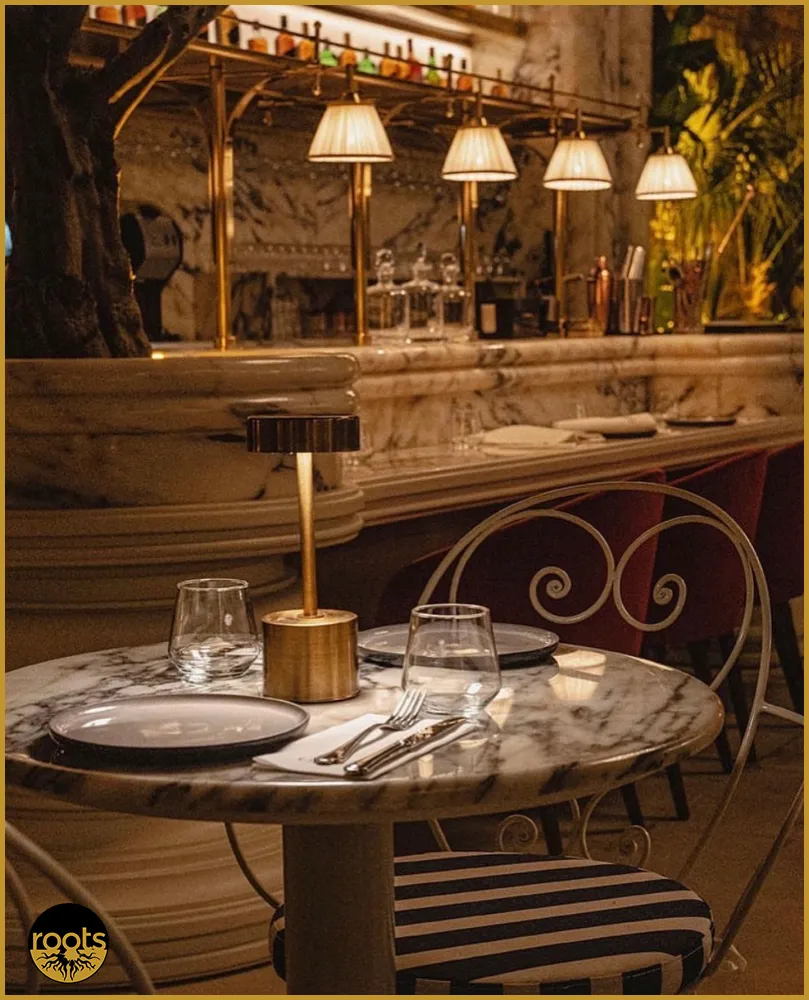
Architectural Restaurant Furniture and Restaurant Garden Furniture: Choices That Add Value to Your Venue
If you own a restaurant, cafe, hotel or any food and beverage business, one of the most important elements that determines the atmosphere of your venue is undoubtedly furniture. Both the architectural restaurant furniture used indoors and the restaurant garden furniture placed outdoors directly affect your guests' comfort, experience and the bond they establish with your brand. This guide has been prepared to help you make the right furniture choice, to enable you to find the most suitable solutions for your needs and to maximize the long-term benefits of your investment.
What Are Architectural Restaurant Furniture and Garden Furniture?
Architectural restaurant furniture refers to furniture groups that are compatible with the interior designs of businesses, with high aesthetic concerns and functionality. These include items such as tables, chairs, benches, bar stools, display cabinets and service units. The choice of furniture should reflect the overall concept of the venue, its decoration style and its target audience.
Restaurant garden furniture, on the other hand, are types of furniture used in the open areas, terraces, gardens or courtyards of restaurants, resistant to weather conditions and aesthetically suitable for outdoor spaces. This category may include: outdoor tables and chairs, sun loungers, seating groups, umbrellas, coffee tables and poufs.
What Is It For?
Correctly chosen furniture, for a business:
- Increases Customer Comfort: Comfortable and ergonomic furniture encourages guests to stay longer in your venue, which can indirectly increase your turnover.
- Strengthens the Aesthetics of the Venue: Furniture complements the overall ambience and decoration style of the venue, offering visual appeal.
- Provides Functionality: Different seating arrangements and table types help optimize the use of the venue. For example, individual tables for small groups, long tables for large groups or corner sofas for intimate settings.
- Reflects Brand Identity: The style, colors and materials of the chosen furniture give a message about your brand's identity and values.
- Offers Durability and Longevity: Furniture produced especially for commercial use is more resistant to intensive use and possible damage.
Who Is It Suitable For?
Architectural restaurant furniture and garden furniture are ideal for a wide range of businesses:
- Restaurants and Cafes: All food and beverage venues with different concepts (luxury, bistro, regional, thematic, etc.).
- Hotels: For lobby areas, restaurants, terraces and garden sections.
- Bars and Clubs: For the indoor and outdoor seating areas of nightlife venues.
- Patisseries and Dessert Shops: To create seating areas where guests can spend pleasant time.
- Destination Wedding and Event Venues: Stylish and comfortable furniture solutions that can be used in open and closed areas.
- Offices and Co-Working Spaces: Aesthetic and functional furniture for relaxation and social areas.
Which Needs Does It Meet?
These furniture categories are designed to meet the basic needs of your business:
- Creating Seating Capacity: Provides seating units in the number and type appropriate to the capacity of your venue.
- Planning Table Layout: Allows for table configurations that ensure guest flow and efficient use of the venue.
- Spatial Partitioning: Different atmospheres can be created within the venue or areas can be separated with different seating groups.
- Aesthetic and Design Integrity: Offers a striking and coherent appearance compatible with the overall architectural style of the venue.
- Durability and Ease of Maintenance: Furniture produced with materials suitable for commercial use is long-lasting despite intensive use and easy to clean.
In Which Situations Should It Be Preferred?
Architectural restaurant furniture and garden furniture should be primarily preferred in the following situations:
- When Opening a New Business: Choosing the right furniture while creating the initial concept of the venue reduces future renovation and replacement costs.
- When Renewing or Renovating the Venue: To revive the existing atmosphere and give it a more modern look or one suitable for your concept.
- When Seeking Solutions Suitable for Seasonal Changes: Especially garden furniture increases the potential of the venue by making outdoor use possible.
- When Aiming to Improve the Customer Experience: Comfortable and aesthetic furniture directly affects customer satisfaction.
- When Wanting to Strengthen the Brand Image: Furniture is an important marketing tool that reflects the quality and care of your brand.
In What Ways Does It Differ from Its Alternatives?
Although there are different furniture options on the market, specially designed architectural restaurant and garden furniture have the following advantages:
- Suitability for Commercial Use: They have much higher durability, resistance to scratches and wear compared to household furniture.
- Ergonomics and Comfort: They are designed to provide comfort even during long periods of sitting.
- Aesthetic and Design Diversity: They offer a wide range of designs that can adapt to different architectural styles and concepts.
- Resistance to Weather Conditions (For Garden Furniture): They are produced from materials specially treated against sunlight, rain, humidity and temperature changes.
- Modularity and Easy Installation: Some models offer the possibility of making different arrangements according to the space, and their installation is generally more practical.
Material Types and Properties
The choice of materials used in restaurant furniture is of great importance both aesthetically and functionally. Here is a comparison of some commonly used material types:
| Material Type | Durability | Indoor/Outdoor Architectural Use | Cost (Average) | Prominent Features |
|---|---|---|---|---|
| Wood (Solid, Veneer over Solid, MDF, etc.) | High (Varies by Type) | Ideal for indoor spaces, requires special treatments for outdoor use. | Medium - High | Natural and warm appearance, high workability. May be sensitive to humidity and insects. |
| Metal (Iron, Aluminum, Stainless Steel) | Very High | Suitable for both indoor and outdoor spaces. | Medium - High | Ideal for sturdy, modern and industrial looks. May have disadvantages of rusting (depending on coating) and weight. |
| Plastic and Polypropylene | Medium - High | Particularly suitable for outdoor spaces, UV-protected models should be preferred. | Low - Medium | Lightweight, easy to clean, variety of colors. May fade or become brittle under the sun. |
| Rattan (Natural and Synthetic) | Medium - High (Synthetic is more durable) | Natural rattan for indoor or sheltered outdoor areas. Synthetic rattan is suitable for all kinds of outdoor areas. | Medium - High | Ideal for bohemian and tropical designs. Synthetic ones require less maintenance. |
| Wicker and Bamboo | Medium | Generally for indoor spaces or sheltered areas. Sensitive to humidity and extreme weather conditions. | Low - Medium | Offers a natural and rustic look. Requires maintenance. |
| Upholstered (Fabric, Faux Leather, Genuine Leather) | Medium (Depending on the material and coating used) | Generally for indoor spaces. Special waterproof and UV-resistant fabrics are required for outdoor use. | Medium - High | Provides extra comfort and a luxurious look. May stain and is harder to clean. |
What Should Be Considered Before Purchasing?
To facilitate your decision-making process and make the right investment, it is important to pay attention to the following points:
- Size and Layout of the Space: Make sure the furniture is of a scale and shape suited to your space. Furniture that is too large or too small can make the space impractical.
- Purpose and Intensity of Use: Consider how long and how intensively the furniture will be used. Choose durable products specially designed for commercial use.
- Concept and Design of the Space: The furniture you choose should be in harmony with the overall aesthetic understanding of your space. Determine a style that matches your brand identity.
- Material Quality and Ease of Maintenance: Long-lasting and easy-to-clean materials will reduce your maintenance costs.
- Ergonomics and Comfort: The comfort of your guests is critical for their feedback and repeat visits. Review details such as the seat depth of the chairs, back support and table heights.
- Safety Standards: It is important that furniture used especially in public areas complies with safety standards. Sharp corners should be avoided and material quality should be solid.
- Budget Planning: Determine a budget by considering both the initial purchase cost and the maintenance and repair expenses that may arise in the long term.
- Supplier Reliability and Warranty Terms: Obtain information about the warranty period of the products, delivery terms and the supplier's customer service.
Frequently Asked Questions (FAQ)
In general, it can be said that aluminum and high-quality synthetic rattan are the most durable materials against outdoor conditions. Aluminum does not rust and is lightweight, while synthetic rattan is specially treated against UV rays and moisture. Solid wood can also be quite durable with proper maintenance, but it requires more care.
Although it varies depending on the material, cleaning with mild soapy water and a soft cloth is generally recommended. Abrasive cleaners and hard brushes should be avoided. Special rust removers can be used for possible rust on metal furniture. For upholstered outdoor furniture, special fabric cleaners should be used and the manufacturer's instructions should be followed.
Comfort is one of the cornerstones of the customer experience. When your guests spend time comfortably in your space, they leave happier and are more likely to return. Features such as the ergonomic structure of the chairs, seat height and depth, and back support make a difference in long-term use. Comfortable furniture also raises the perceived quality of your space.
Over time, the sun's UV rays can cause the colors of furniture to fade, the material to expand and crack, and its structure to deteriorate. Especially on plastic, fabric and painted surfaces, products without UV protection wear out quickly. UV-protected products ensure that colors stay vibrant and the life of the material is extended.
The main difference is the processing of the materials used and their levels of durability. Outdoor furniture is produced from materials more resistant to weather conditions (moisture, UV rays, temperature changes, rain) and with special coatings. Indoor furniture, on the other hand, is more focused on aesthetics and comfort and is generally not exposed to such external factors. Some materials can be used both indoors and outdoors, but may require additional protection for outdoor use.
Conclusion
Choosing the right architectural restaurant furniture and restaurant garden furniture is a strategic investment for the success of your space. Offering both an aesthetic appearance and providing your guests with a high level of comfort will increase the competitiveness of your business. By meticulously evaluating all the details, from material selection to design, from durability to maintenance, you can reach furniture solutions that will add value to your space and provide satisfaction for many years.











































































