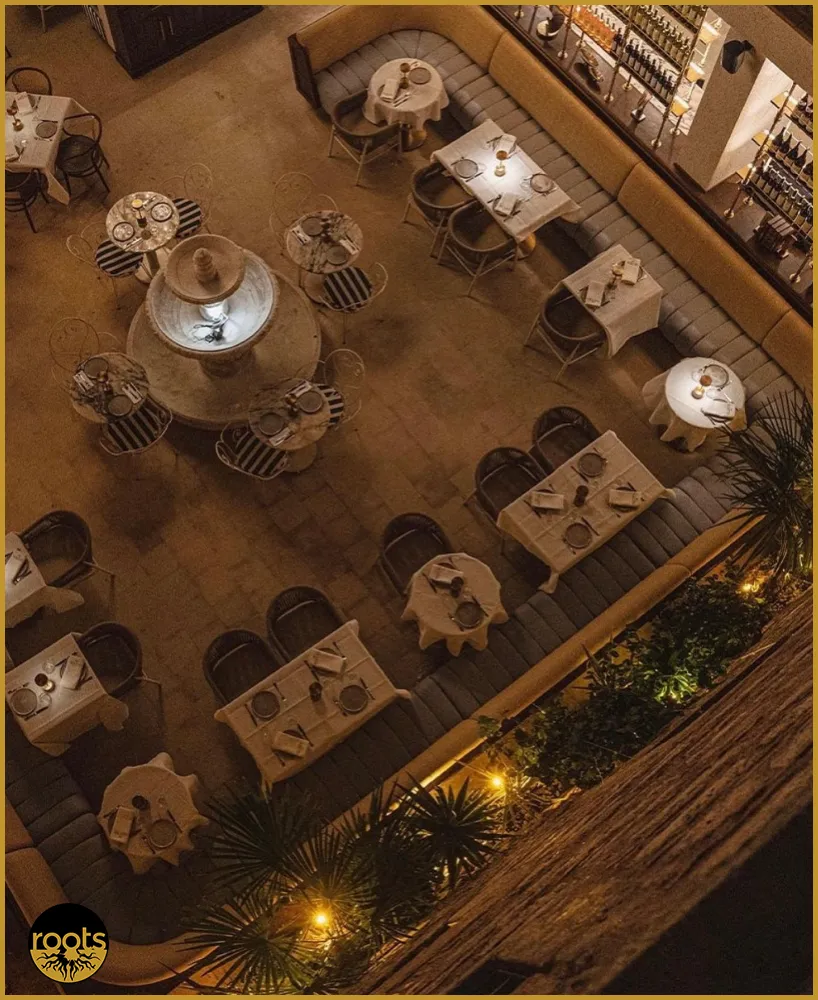
Architectural Restaurant and Garden Furniture: Reflect the Identity of Your Space
The atmosphere of your restaurant is one of the most important elements that directly affects your guests' experience. Choosing the right architectural restaurant furniture and restaurant garden furniture that highlights both the elegance of indoor spaces and the invitingness of outdoor spaces plays a critical role in creating this atmosphere. A choice that considers functionality, durability and purpose of use as much as aesthetics brings satisfaction and success in the long term.
Why Architectural Restaurant and Garden Furniture?
Architectural furniture goes beyond merely providing seating or service areas. By integrating with the overall design concept of the space, it gives it a character and identity. Choosing furniture suited to your restaurant's style, concept and target audience strengthens your brand image and offers an unforgettable customer experience.
- Complementing the Space Design: Architectural furniture creates harmony by emphasizing or complementing the architectural features of the space.
- Comfort and Ergonomics: It offers your guests an environment where they can sit comfortably for a long time and have a pleasant time.
- Durability and Longevity: Especially in areas exposed to intensive use such as the restaurant sector, furniture made from durable materials provides cost efficiency.
- Aesthetic Value: It enriches the overall appearance of the space, increases its visual appeal and reflects the prestige of your brand.
- Functionality: Designs that facilitate service flow, offer storage solutions or allow different seating arrangements can be preferred.
Who Is It Suitable For?
Architectural restaurant and garden furniture is ideal for the following businesses and needs:
- Restaurants and Cafes: For both indoor areas and outdoor spaces such as gardens, terraces and verandas.
- Hotels and Holiday Resorts: For lobbies, restaurant areas, poolside and garden relaxation areas.
- Corporate Companies with Dining Areas: For employee relaxation areas and events.
- Event Venues and Country Gardens: For private receptions, weddings and organizations.
- Private Residences: For those who want to create a restaurant-quality seating area in their garden or terrace.
Which Needs Does It Meet?
The right furniture choice meets a range of essential needs:
- Seating Areas: Chairs, armchairs, benches and seating groups in various capacity and comfort levels.
- Dining and Service Areas: Tables in different sizes, service units and bar counters.
- Relaxation and Conversation Areas: Social areas created with comfortable armchairs, poufs and coffee tables.
- Outdoor Comfort: Garden furniture that is weather-resistant, easy to clean and resistant to UV rays.
- Storage Solutions: Integrated or additional storage units to keep materials organized.
In Which Situations Should It Be Preferred?
- When you want to modernize or renew the aesthetics of the existing space.
- When you want to reflect your brand identity and concept more strongly.
- When you aim to offer your guests a more comfortable and unforgettable experience.
- When you need furniture that will withstand intensive use, is long-lasting and requires easy maintenance.
- When you want to create a cohesive design in indoor and outdoor spaces.
Material Options and Features
Restaurant and garden furniture can be produced from various materials suited to different needs and budgets. The choice of material directly affects the durability, maintenance, aesthetics and cost of the furniture.
| Material Type | Durability | Indoor/Outdoor Use | Cost (General Comparison) | Ease of Maintenance | Aesthetics/Style |
|---|---|---|---|---|---|
| Solid Wood (Teak, Teak, Acacia) | High (Resistant to water and insects thanks to its natural oil content) | Suitable for both indoor and outdoor use (Long-lasting outdoors with proper care) | High | May require regular oiling and varnishing. | A classic, rustic, natural and warm look. |
| Metal (Aluminum, Iron, Stainless Steel) | Very High (Resistant to corrosion and weather conditions, especially aluminum and stainless steel) | Ideal especially for outdoor use. Can be used indoors in an industrial or modern style. | Medium - High (Varies by material and design) | Generally easy to clean, stain-resistant. Iron furniture must be coated against rust. | Modern, industrial, minimalist, stylish. |
| Synthetic Rattan (Polyrattan) | High (Resistant to UV rays, water, stains and fading) | Very suitable especially for outdoor use. | Medium | Easily cleaned with soapy water. | A modern and elegant look similar to natural rattan. |
| Plastic (Polypropylene, Polycarbonate) | Medium - High (Weather-resistant, lightweight, wide range of color options) | Suitable for both indoor and outdoor use. | Low - Medium | Very easy to clean. | Modern, colorful, economical, lightweight. |
| Concrete and Ceramic | High (Resistant to wear and weather conditions) | Popular for outdoor applications. Can also be used indoors on tables in an industrial or modern style. | Medium - High | Care should be taken against stains, special cleaners may be required. | Industrial, modern, minimalist, raw. |
What Sets It Apart from Alternatives
Architectural restaurant furniture may have the following features that differ from standard furniture:
- Design Focus: Designed with aesthetic concerns, specific to the space or in line with a particular style.
- Scale and Proportion: Can be produced in custom dimensions compatible with the architectural structure and dimensions of the space.
- Integrated Solutions: Solutions that integrate with the space both aesthetically and functionally, such as seating areas combined with wall units.
- Material Quality and Technology: Can be made more durable and functional using special coatings, nanotechnologies or advanced production techniques.
- Emphasis on Customer Experience: Beyond being just a place to sit, they have details that enhance guest comfort and interaction with the space.
Things to Consider Before Purchasing
To choose the right architectural restaurant and garden furniture, it is important to pay attention to the following points:
- Concept and Style of the Venue: Determine a style that suits your restaurant's overall design and target audience. Such as modern, classic, rustic, industrial or minimalist.
- Area of Use: Determine whether the furniture will be used indoors or outdoors. Outdoor furniture must be resistant to weather conditions.
- Material Quality and Durability: Choose materials that will withstand intensive use, are easy to clean and long-lasting.
- Comfort and Ergonomics: For your guests' comfort, consider seat depth, back support and cushion quality.
- Size and Capacity Planning: Choose furniture that fits the dimensions of your venue, does not restrict movement space and provides the required capacity.
- Maintenance and Cleaning: Find out how easy the maintenance of the furniture you choose is. In intensive venues such as restaurants, quick cleaning options are important.
- Budget: Without compromising on quality and durability, research the most suitable solutions within your determined budget.
- Warranty and Service: Find out the warranty conditions and possible service options from the manufacturer or supplier.
- Environmental Factors (For Outdoors): Check the resistance properties against sunlight, rain, humidity and wind.
Frequently Asked Questions (FAQ)
Which material is more durable for garden furniture?
What are the ideal height and dimensions for restaurant tables?
What are the main features that distinguish indoor and outdoor furniture?
How do cleaning and maintenance requirements vary by material?
Choosing the right furniture that will enhance the character and functionality of your restaurant or dining area is a long-term investment. You can make informed decisions by taking into account the information in this guide to strengthen the atmosphere of your venue and offer your guests an unforgettable experience.











































































