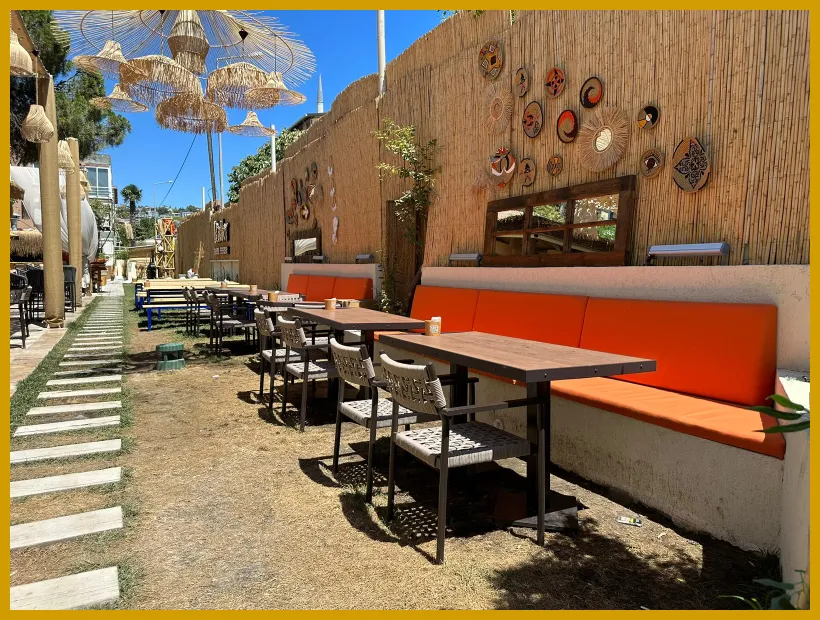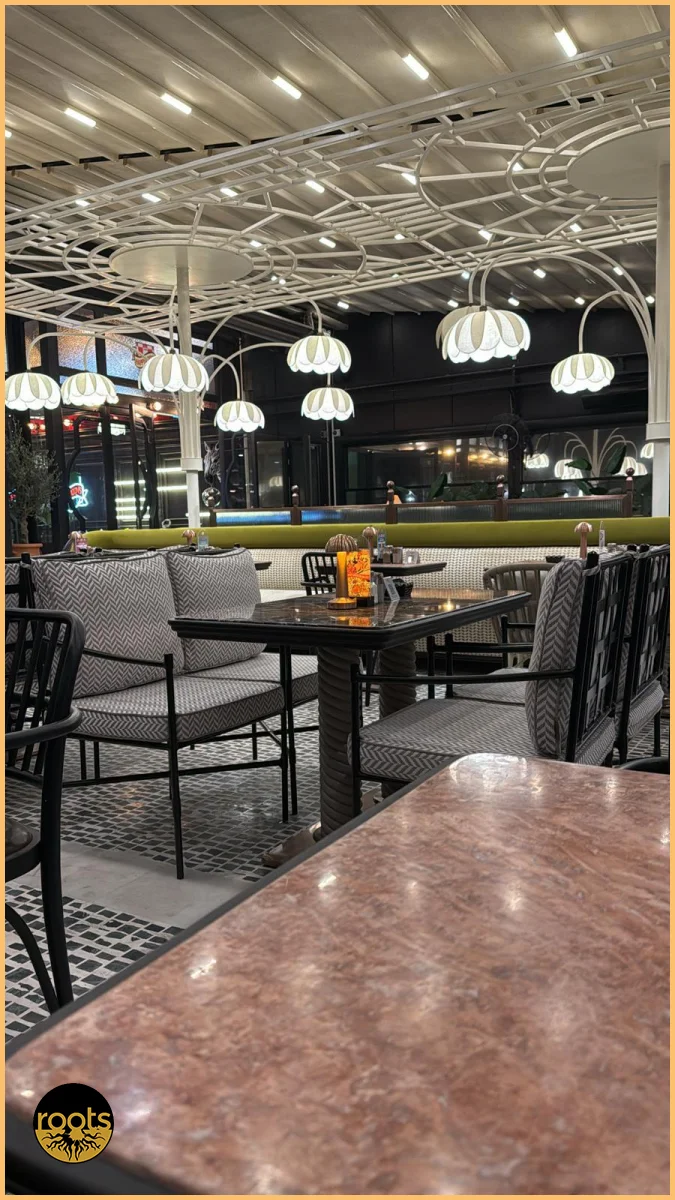
ARCHITECTURAL CAFE FURNITURE and Its Impact on Space Identity
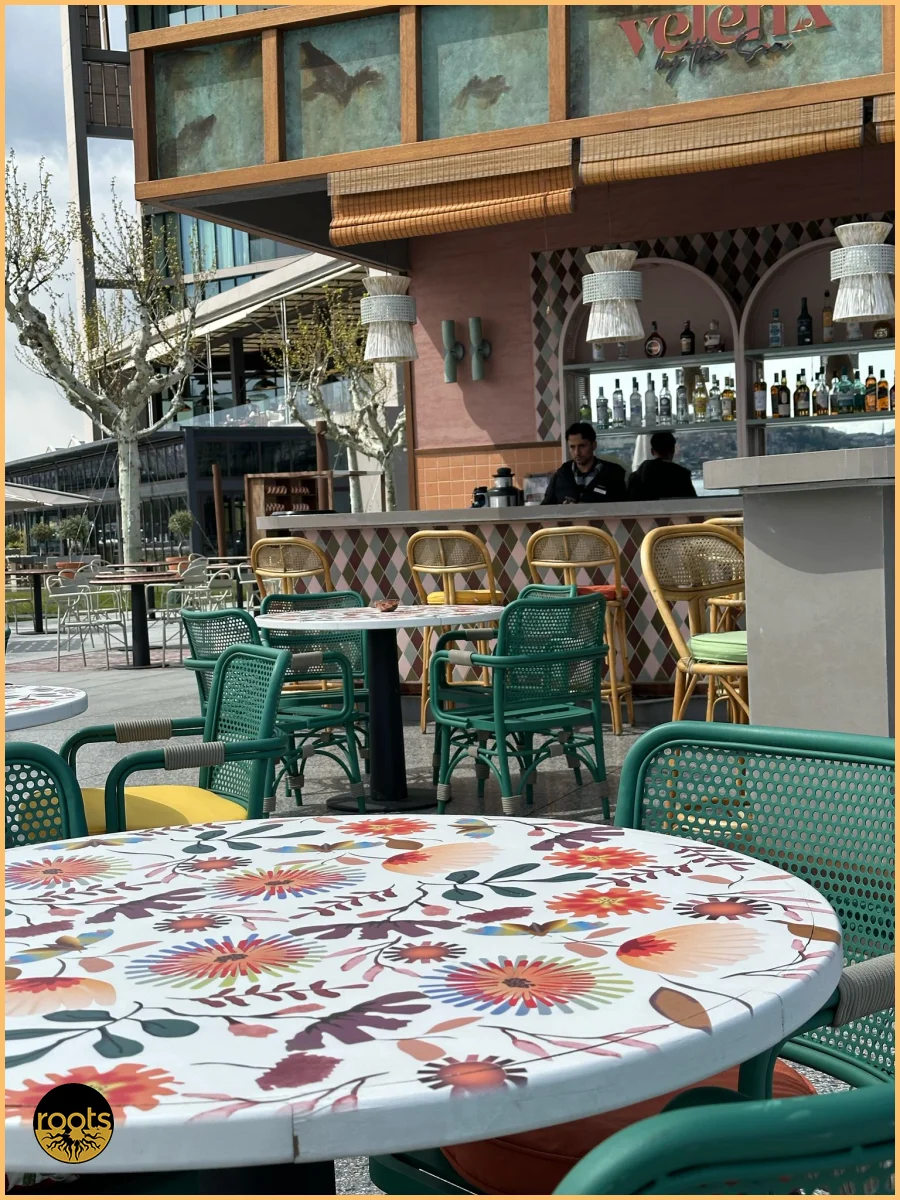
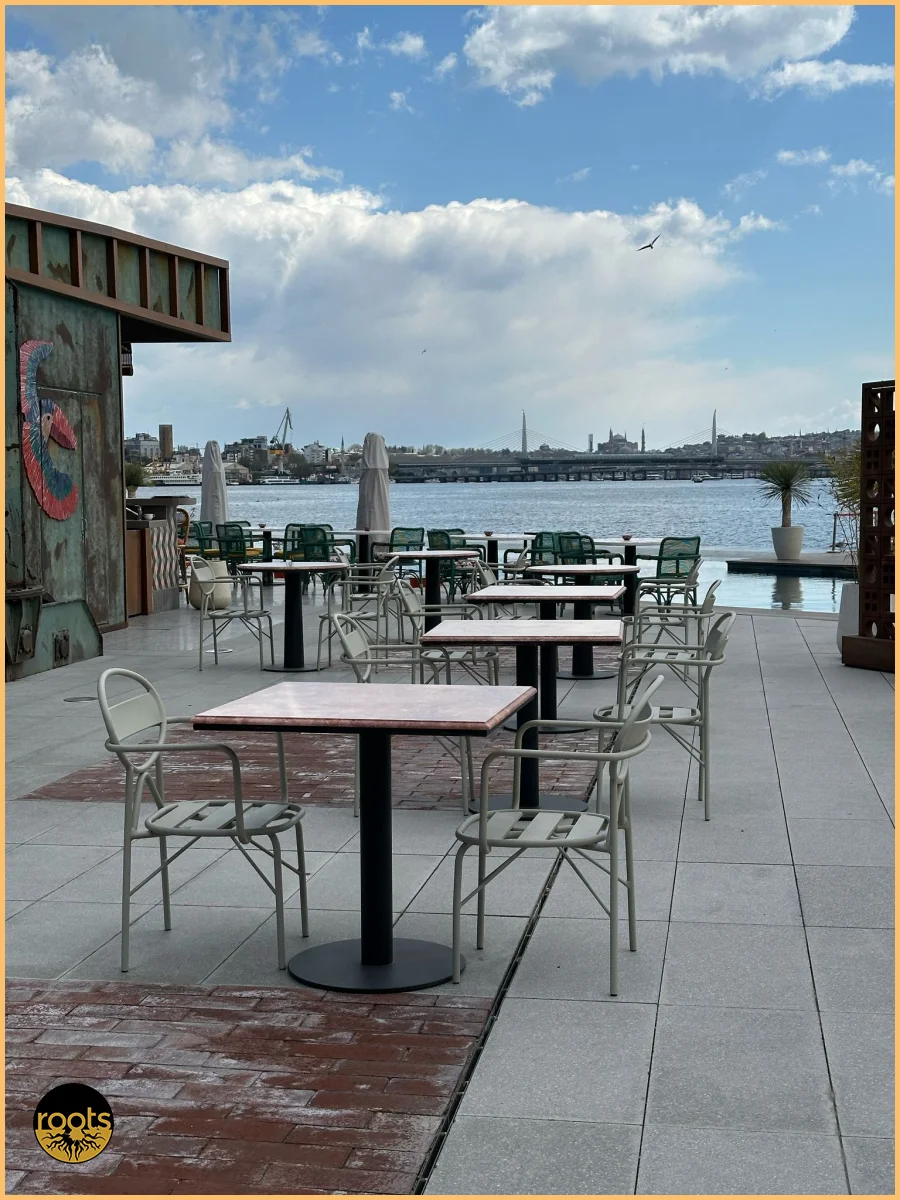
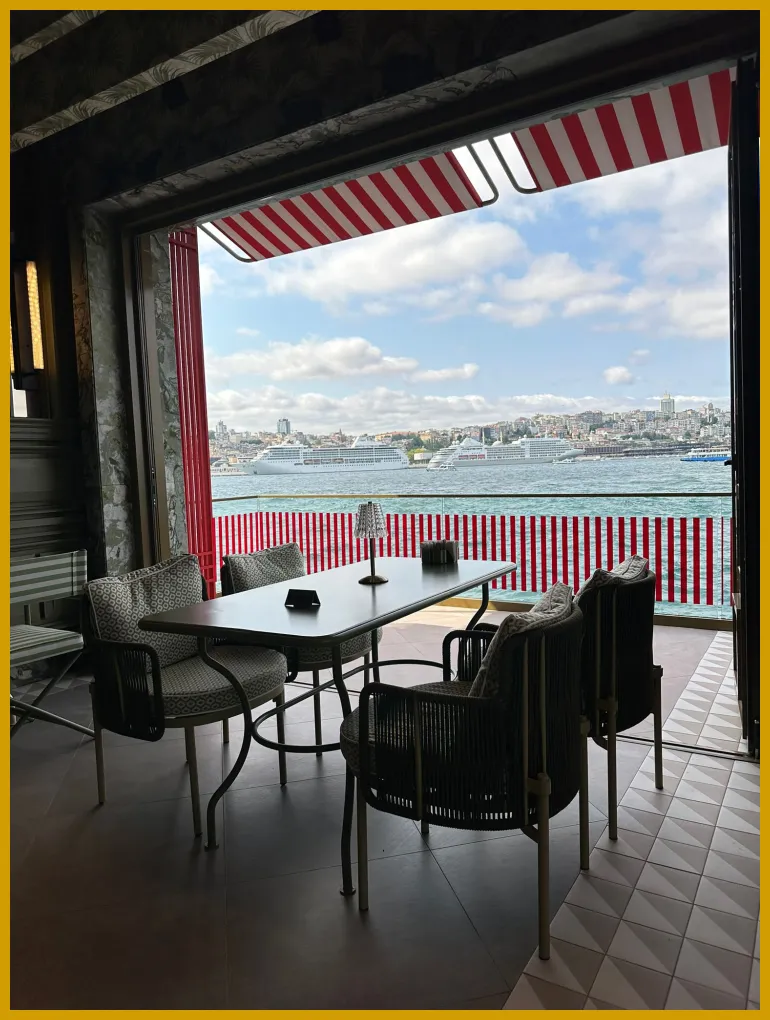
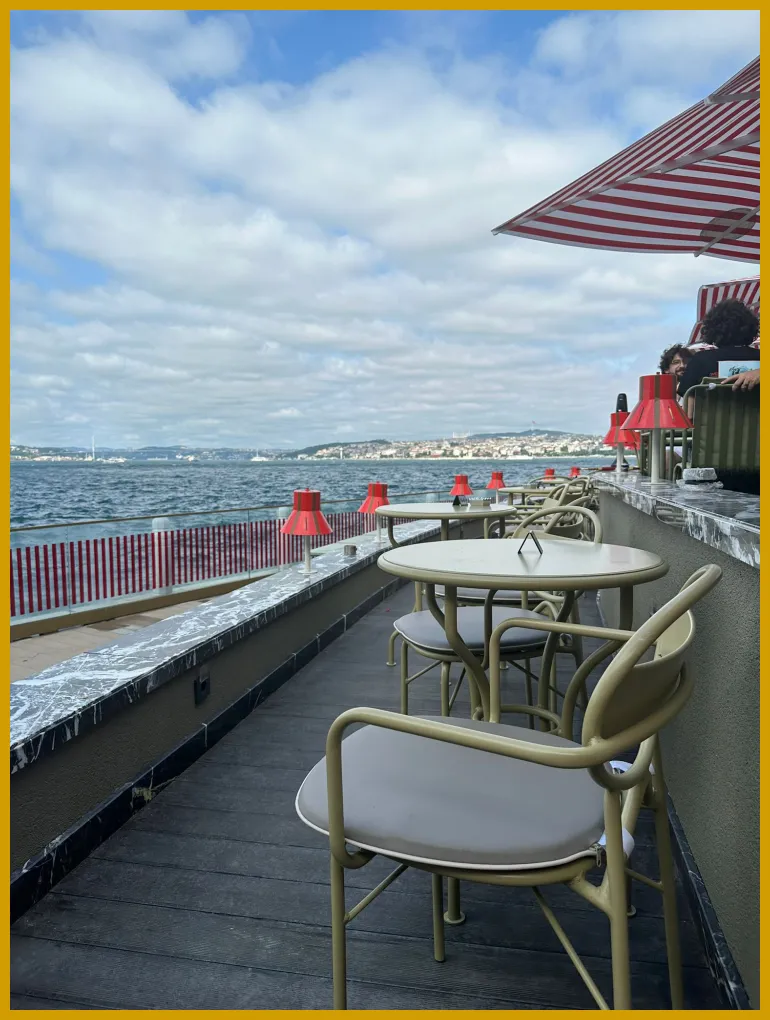
When stepping into a cafe, the first element that draws attention is the atmosphere of the space. The fundamental building block of this atmosphere is architectural cafe furniture. Architectural furniture are not merely tools that enable the act of sitting, but also strategic design elements that shape the spirit of the space, the stance of the brand and the customer experience. What sets them apart from standard furniture is that ergonomics, aesthetics and long-lasting use are blended with a specific engineering and design discipline.
Who Are Architectural Furniture Suitable For?
These furniture are ideal not only for those opening a new business, but for all operators who want to modernize their existing space and manage customer circulation more efficiently. They are a necessity especially for the following segments:
- Concept Businesses: Cafes that have a specific theme and want to support this theme with their furniture.
- Long-Term Investors: Operators who aim to buy once and maintain durability for years instead of constantly changing furniture.
- Spaces with Limited Area: Boutique businesses that want to optimize every centimeter of the area with architectural solutions.
- Corporate Chains: Large structures that want to reflect their brand identity at the same standard in every branch.
Why Should Architectural Solutions Be Preferred Over Standard Furniture?
Household furniture is not suitable for the high-traffic use of commercial spaces. Architectural cafe furniture is produced to be resistant to being sat on and stood up from thousands of times, spilled liquids, cleaning chemicals and varying weather conditions. These products are designed by taking into consideration many technical details, from the acoustics of the space to light reflection. They differ from their alternatives especially with the durability of their connection points and the certification level of the material used.
| Material Type | Durability Level | Area of Use | Cost Axis |
|---|---|---|---|
| Solid Wood | High (Requires maintenance) | Indoor | Medium - High |
| Metal / Aluminium | Very High | Indoor and Outdoor | Medium |
| Compact Laminate | High (Scratch-resistant) | Outdoor / Garden | Medium |
| Marble / Natural Stone | High (Heavy and Stylish) | Indoor | Upper Segment |
| Polypropylene (Plastic) | Medium - High | Outdoor / Fast Food | Economical |
Critical Points to Consider Before Purchasing
Focusing only on appearance during the decision-making stage can lead to increased operating costs in the future. Here is what you need to pay attention to:
- Ergonomics and Seating Duration: If you want fast turnover (take-away focused), you should choose harder and more compact furniture; if you want customers to spend a long time (3rd generation coffee shops), you should choose softer and more supportive furniture.
- Cleanability: When choosing fabric, textures that do not hold stains, can be easily wiped, or are suitable for commercial use with a high "martindale" test should be preferred.
- Stackability: Especially in outdoor furniture, being able to stack products at the end of the day or during seasonal transitions provides a great advantage for storage.
- Floor Compatibility: The glides on the furniture legs must be of a structure that will not damage the floor type (parquet, marble, concrete).
- Weight Balance: The furniture should be heavy enough not to fly in the wind but light enough for staff to move during cleaning.
Frequently Asked Questions
Generally no. The varnish, glue and fabric types used in indoor furniture are not resistant to sunlight (UV) and moisture. For outdoor use, kiln-dried woods or electrostatically powder-coated metals must be chosen.
While the standard dining table height is around 75 cm, bar tables are between 105-110 cm. The difference between the chair and the table surface being 25-30 cm provides comfortable seating.
If the architectural structure of your venue does not allow standard dimensions or if you want to create a unique brand identity, custom production is advantageous. However, ready-made modular architectural furniture is more practical in terms of fast delivery and spare parts supply.
In conclusion, the choice of ARCHITECTURAL CAFE FURNITURE is an investment that directly affects a business's operational efficiency and customer satisfaction. The right material selection, design compatible with the physical conditions of the space, and functionality suited to the purpose of use will reduce your costs in the long term while increasing the value of your business. When making a choice, the most accurate approach will be to base your decision on the architectural integrity of the space and the expectations of your target audience, beyond trends.