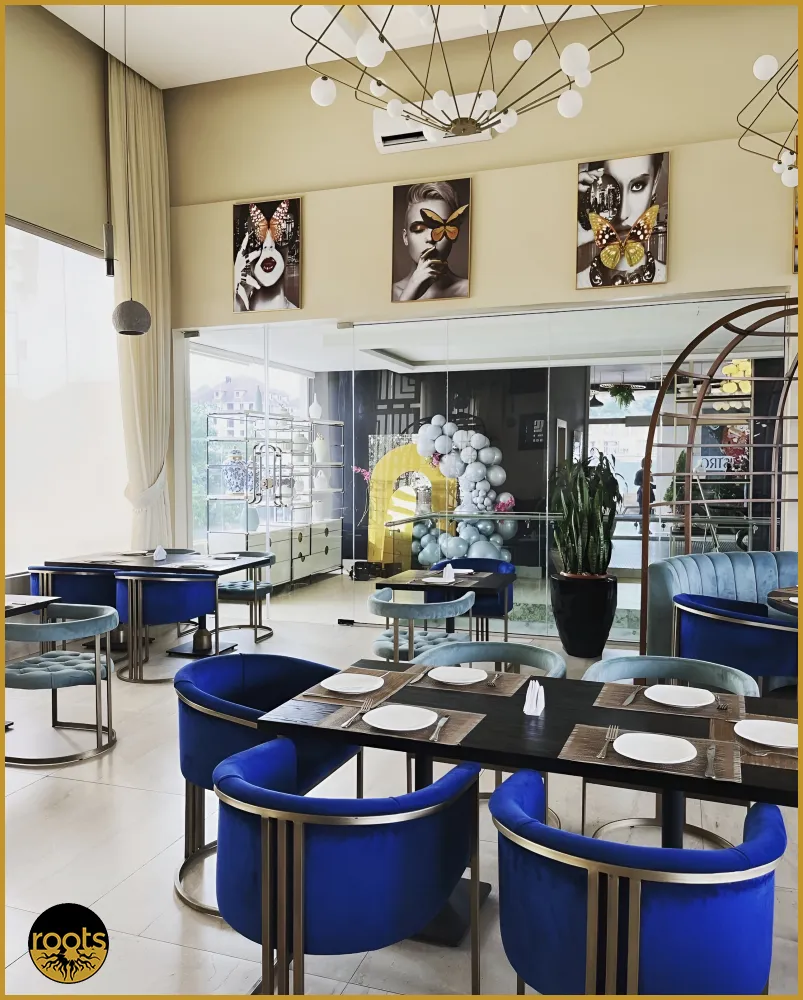
Cafe Interior Designs: Create the Space of Your Dreams
Opening a cafe is not just about serving delicious coffees; it is also about creating an atmosphere that will make your guests feel special and have a pleasant time. Cafe interior design forms the foundation of this atmosphere and plays a critical role in the success of your business. The right design increases customer loyalty, strengthens your brand identity and provides a competitive advantage.
This guide has been prepared to answer all the questions on your mind during the cafe interior design process, to help you evaluate different options and to enable you to make informed decisions. Whether you are setting up a cafe from scratch or want to renovate your existing space, this information will directly support your decision-making process.
What Does Cafe Interior Design Do?
Effective cafe interior design serves several main purposes:
- Reflecting Brand Identity: Design visually communicates your brand's story, values and target audience. Choosing a modern, vintage, rustic or minimal style determines your brand's personality.
- Improving Customer Experience: Comfortable seating areas, ergonomic arrangements, appropriate lighting and smooth circulation areas encourage guests to stay longer in your space.
- Increasing Functionality: Kitchen layout, service areas and cashier arrangement that enable staff to work efficiently optimize operational flow.
- Creating Atmosphere: Colors, materials, lighting and decorative elements come together to create a warm, inviting or energetic environment.
- Providing Competitive Advantage: A unique and memorable design helps you attract customers by making you stand out from other cafes.
Who Is Cafe Interior Design Suitable For?
Cafe interior design is suitable for anyone in the following situations:
- Entrepreneurs Opening a New Cafe: Those who want to create a brand identity from scratch and create the first impression that appeals to the target audience.
- Those Who Want to Renovate Their Existing Cafe: Business owners who want to modernize their outdated or dysfunctional space, increase customer satisfaction or attract attention with a new concept.
- Those Who Want to Make a Concept Change: Those who plan to change the spirit and target audience of their business and want to reflect this change in the space.
- Those Who Want to Increase Customer Traffic: Cafe owners who aim to attract more customers by offering a more attractive and comfortable environment.
Which Needs Does It Meet?
A well-designed cafe interior meets various needs of both the business owner and the customers:
- For Customers: Comfort, aesthetic appeal, functionality (free Wi-Fi, power outlets), opportunity for social interaction, a pleasant break area.
- For Business Owners: Operational efficiency, brand awareness, customer satisfaction, increased revenue potential, durable and easy-to-maintain materials, budget control.
In Which Situations Should Cafe Interior Design Be Preferred?
Cafe interior design is especially important in the following situations:
- During the Concept Determination Phase: While establishing the basic identity and target audience of the business.
- When Arranging the Space for the First Time: When establishing a new business, to maximize the potential of the space.
- In Areas with Intense Competition: To stand out from competitors and make a difference.
- When Customer Complaints Increase: If there are problems with the comfort, flow or aesthetics of the space.
- When There Is a Decline in Customer Traffic: To attract attention again by increasing the appeal of the space.
- When the Existing Area Is Not Functional: If the service flow, seating arrangement or work areas are not efficient.
Different Cafe Interior Design Styles
There are many different styles in cafe interior design. Here are some of the most popular:
1. Industrial Style
A style where raw materials (concrete, brick, metal) are at the forefront, usually with open ceilings, spacious and airy. It is completed with lighting elements and vintage objects.
2. Minimalist Style
Characterized by few items, clean lines and a neutral color palette. Functionality and simplicity are at the forefront.
3. Scandinavian Style
Focuses on light colors (white, gray, wood tones), natural materials and functionality. It creates a spacious, bright and friendly atmosphere.
4. Vintage / Retro Style
Inspired by past eras. Old furniture, retro accessories, nostalgic colors and patterns are used.
5. Bohemian Style
Carries influences from different cultures. It is enriched with colorful textiles, plants, handmade objects and decoration elements with a free spirit.
6. Rustic Style
A warm and friendly style where materials such as natural wood, stone and metal are used intensively. It reflects a rural atmosphere.
Material Selection: Durability, Area of Use and Cost
Material selection in cafe interior design is of vital importance for both aesthetic appearance and long-term durability. A table comparing different material types is presented below:
| Material Type | Durability | Interior Architectural Use Area | General Cost (Reference) |
|---|---|---|---|
| Wood (Solid) | High (with good maintenance), there is a risk of scratching and staining. | Floor, wall coverings, furniture, table, shelf. | Medium - High |
| Wood (Veneer / MDF) | Medium, may be sensitive to moisture and scratching. | Furniture, cabinets, decorative panels. | Low - Medium |
| Metal (Iron, Steel, Aluminum) | Very High, measures against rust may be required. | Furniture frames, lighting fixtures, shelving systems, accessories. | Medium - High |
| Concrete (Decorative / Polished) | Very High, varnish is required against staining. | Floor, walls, table surfaces, counters. | Low - Medium |
| Ceramic / Porcelain Tile | Very High, resistant to wear and water. | Floor, walls (especially kitchen and restroom areas). | Low - Medium |
| Marble / Granite | High, careful use is required against staining and scratching. | Table surfaces, counters, bar counters, floor (luxury areas). | High |
| Fabric (Upholstery) | Medium - High (varies by frequency of use and type), protection against staining is important. | Sofa, chair upholstery. | Low - High |
| Leather / Faux Leather | Medium - High, may be sensitive to scratches. | Sofa, chair upholstery. | Medium - High |
Note: Costs may vary depending on the quality of the material, brand, workmanship and region. This table provides a general reference.
Seating Arrangements and Space Flow
The right seating arrangement and space flow are essential for customers to spend time comfortably and move easily within the space. Arrangements for different needs are as follows:
- Individual Work Areas: Quiet tables suitable for focusing, with access to power outlets, for customers who come alone.
- Comfortable Corners for Social Groups: Large tables, corner sofas and seating arrangements suitable for group conversations.
- Quick Service Areas: Bar stools or small, single tables are ideal for those taking a quick coffee break.
- Circulation Areas: Corridors of sufficient width should be left so that staff can move easily while serving and customers can move easily to the restroom or exit.
- Kitchen and Bar Access: It is important that the kitchen and bar areas are in strategic locations that service staff can easily reach and where customers are not disturbed.
The Role of Lighting
Lighting can completely change the atmosphere of a space. The right lighting should be both functional and aesthetic:
- General Lighting: This is the basic lighting that illuminates the space overall and provides a sufficient light level.
- Task Lighting: These are lights focused on specific areas, such as reading lights on tables and lights above the bar.
- Accent Lighting: This is lighting that highlights decorative objects, plants or architectural details.
- Ambient Lighting: These are lights that enrich the atmosphere, such as candles, colored bulbs or specially designed pendants.
Adjustable lighting systems for different time periods and times of day are a great option for changing the mood of the space.
Aspects That Differentiate from Alternatives
A comprehensive cafe interior design takes it beyond being just "a coffee shop" and turns it into an experience point for customers. The main elements that set it apart from others are as follows:
- Original Concept: It offers a theme, story or identity specific to the venue, rather than being limited to a standard menu and seating area.
- Customer Focus: The design is made by considering not only aesthetics but also customer comfort, ergonomics and needs.
- Functional Efficiency: By combining aesthetic concerns with operational needs, the design both increases staff efficiency and organizes customer flow.
- Brand Consistency: It reinforces brand awareness by providing strong visual harmony between the logo, colors, menu design and interior.
- Long-Term Investment: With quality material selection and correct planning, it creates a durable, easy-to-maintain venue that defies time.
What Should Be Considered Before Purchasing?
There are some important points to consider before starting a project for cafe interior design or receiving this service:
- Budget Planning: Create a detailed budget including all design, material, furniture and labor costs. Allocate a margin for unexpected expenses.
- Target Audience Analysis: Choose a design style and atmosphere suitable for the customer profile your venue will appeal to.
- Physical Characteristics of the Venue: Consider constraints and advantages such as the dimensions and shape of the existing space, natural light intake, columns and utility points.
- Functionality Requirements: Determine seating arrangements and work areas suitable for your cafe type (for example, quick service, long sessions, meeting area, etc.).
- Permits and Licenses: Make sure the design complies with local regulations, fire safety standards and other legal requirements.
- Professional Support: Working with an experienced interior architect or designer can make the process more efficient and prevent mistakes.
- Material Quality and Maintenance: Learn about the durability, ease of cleaning and longevity of the materials to be used.
- Lighting Planning: Research both functional and atmosphere-creating lighting solutions for different areas of the venue.
- Acoustic Arrangement: Evaluate whether sound-absorbing materials or arrangements will be used to control noise.











































































