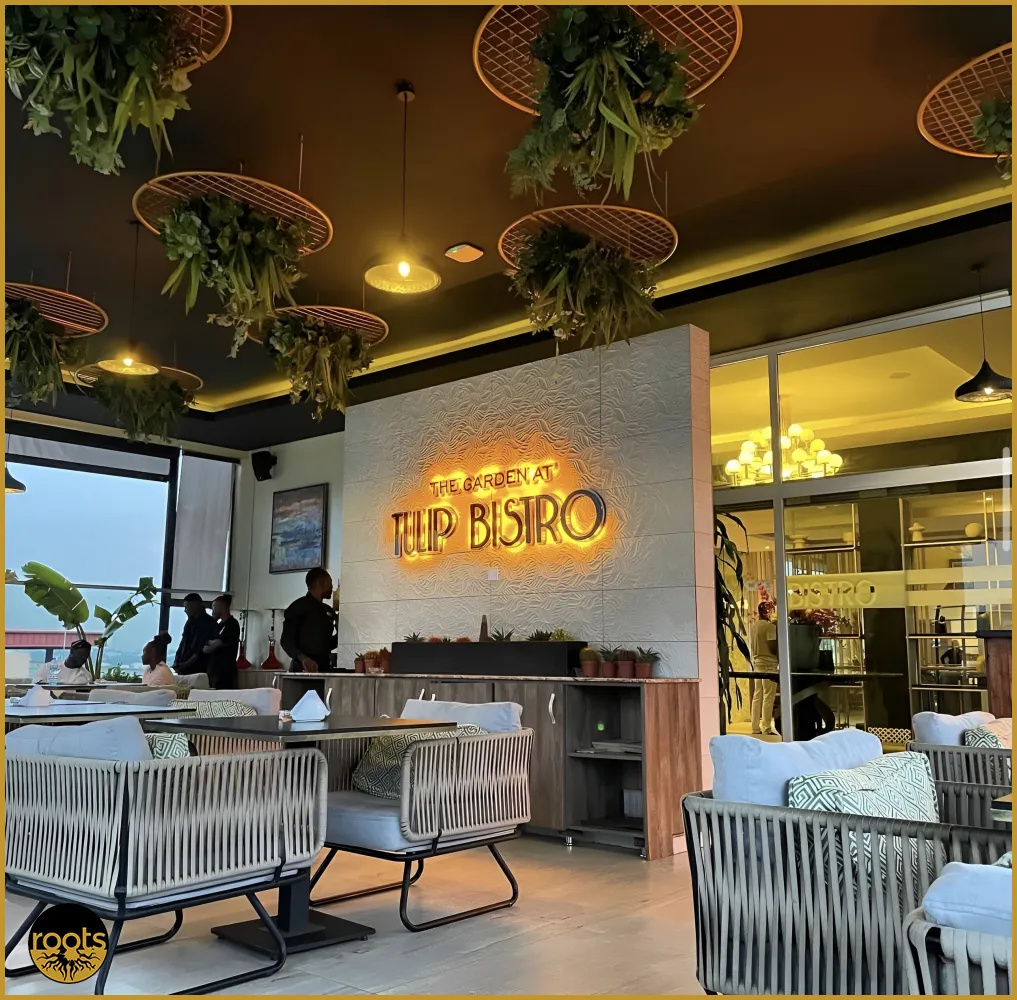
CAFE INTERIOR DESIGNS: Create the Space of Your Dreams
Cafe interior design plays a critical role in the success of a business. It not only offers an aesthetic appearance but also gives your customers an unforgettable experience, attracts them to the space and ensures they stay for a long time. The right interior design reflects your brand's identity, appeals to your target audience and helps you stand out from the competition. This comprehensive guide presents everything you need to know about CAFE INTERIOR DESIGNS - CAFE INTERIOR DESIGNS, with details that will make your decision-making process easier.
What Is Cafe Interior Design and Why Is It Important?
Cafe interior design is the planning, arrangement and decoration of the area in a cafe where customers are physically present. This process covers many details, from wall colors to furniture selection, from lighting arrangement to the use of plants. Good interior design:
- Increases the functionality of spaces.
- Raises customer satisfaction.
- Strengthens brand awareness and image.
- Can increase the average length of stay and the amount spent.
- Gives the space a unique identity by determining its atmosphere.
Who Are CAFE INTERIOR DESIGNS Suitable For?
This content and the information presented are highly useful for the following groups:
- Entrepreneurs planning to open a new cafe.
- Business owners who want to renew the concept of their existing cafe.
- Those considering getting professional support for cafe design.
- Anyone who wants to learn about cafe design trends and practices.
Which Needs Does It Meet?
A comprehensive cafe interior design aims to meet various needs:
- An Aesthetic and Attractive Appearance: Creating a visually pleasant space that will attract customers' attention.
- Functionality and Usability: Providing comfortable and efficient use for both customers and staff.
- Reflecting Brand Identity: Creating an atmosphere suited to the cafe's concept, values and target audience.
- Improving Customer Experience: Ensuring guests have a pleasant time by offering comfortable seating areas, appropriate lighting and a memorable atmosphere.
- Maximizing the Potential of the Space: Using the area in the most efficient way and creating sections that serve different purposes.
In Which Situations Should Cafe Interior Design Be Preferred?
Investing in cafe interior design is ideal for the following situations:
- Opening a New Cafe: To create a professional and eye-catching space from the very beginning.
- Restructuring an Existing Cafe: To modernize spaces that have aged and lost popularity over time and to expand the customer base.
- Concept Change: When moving toward a different theme or target audience.
- Gaining a Competitive Advantage: To stand out and get ahead of other cafes in the area.
- Reducing Customer Complaints: To resolve issues such as insufficient seating space and poor lighting.
How Does the Cafe Interior Design Process Work?
Successful cafe interior design requires a meticulous planning and implementation process:
- Determining the Concept: The theme on which the cafe will be based, who its target audience is and the nature of the services to be offered are determined. Different concepts such as modern, rustic, industrial and vintage can be preferred.
- Spatial Planning: The dimensions of the area are measured, and a detailed layout plan is drawn up considering elements such as customer flow, service areas, kitchen, restrooms and seating arrangements.
- Choosing Style and Color Palette: Colors, textures and materials suited to the concept are determined.
- Furniture and Lighting Selection: Furniture that combines comfort, durability and aesthetic elements, and lighting solutions that complete the atmosphere of the space are selected.
- Decoration Details: Final touches are made to the space with wall decorations, plants, accessories and other decorative elements.
- Implementation: Bringing the planned design to life by professional teams.
Popular Cafe Interior Design Concepts
- Modern and Minimalist: Clean lines, neutral colors, functional furniture and a spacious atmosphere.
- Industrial: Loft-style spaces where materials such as raw brick, metal details, wood and concrete are used together.
- Rustic: Natural wood, stone details, warm colors and a friendly atmosphere.
- Vintage and Retro: Furniture, accessories and color palettes that carry traces of past eras.
- Bohemian: Ethnic patterns, vivid colors, different textures and a relaxed aesthetic.
- Scandinavian: Light colors, natural wood, simple furniture and functionality.
Things to Consider in Cafe Interior Design
For a successful cafe design, attention should be paid to the following points:
- Target Audience Analysis: It must be clearly determined who the design will appeal to.
- Acoustics of the Space: Keeping noise under control ensures that customers find a comfortable environment for conversation.
- Lighting Planning: General lighting, task lighting and ambient lighting should be used in a balanced way.
- Furniture Selection: Furniture that is both aesthetic and comfortable, durable and easy to clean should be preferred.
- Material Selection: Durability, aesthetics, cost and ease of maintenance should be taken into consideration.
- Customer Traffic: A comfortable flow should be ensured within the space, and transitions between seating areas and service areas should be smooth.
- Accessibility: Arrangements should be made so that individuals with disabilities can move comfortably.
- Design of Restrooms: Meticulous attention should be given to cleanliness and comfort.
Comparison in Material Selection
The main materials used in cafe interior designs differ in terms of their durability, areas of use and costs. Here is a comparative table of popular materials:
| Material Type | Durability | Interior/Exterior Architectural Use | Cost (General Assessment) |
|---|---|---|---|
| Wood (Solid) | High (When maintained) | Generally interior, requires special treatment for exterior. | Medium-High |
| MDF / Particleboard (Coated) | Medium (Sensitive to moisture and impacts) | Interior only. | Low-Medium |
| Metal (Iron, Steel, Aluminum) | Very High | Interior and exterior (varies by coating). | Medium-High |
| Natural Stone (Marble, Granite) | Very High | Interior and exterior. | High |
| Concrete (Decorative) | Very High | Interior and exterior. | Low-Medium |
| Ceramic / Porcelain | High (Against scratches and impacts) | Interior and exterior. | Low-Medium |
| Glass | Medium (Fragility) | Generally interior (Tempered glass is suitable for exterior). | Medium |
| Fabric (Upholstery) | Variable (Depending on fabric type) | Interior only. | Low-High |
Frequently Asked Questions
What Should Be Considered Before Purchasing?
Paying attention to the following points when working with cafe interior design or the professionals who will manage this process will ensure the project's success:
- Determining a Budget: A clear budget should be created before starting the project and this budget should be adhered to.
- Professional Support: Working with an interior architect or designer ensures the process proceeds more professionally and smoothly.
- Reference Check: Reviewing the previous work of the designer or implementing companies helps you understand whether their vision is compatible with yours.
- Detailed Contract: A contract should be made that includes all details such as the work to be done, delivery dates, costs and payment plan.
- Communication: Maintaining continuous and open communication with the designer or team ensures expectations are understood correctly.
- Flexibility: Being open to small changes or suggestions that may arise during the design process can lead to better results.
A correct cafe interior design not only creates a space that looks beautiful, but also reflects the spirit of your business and enables you to establish a strong bond with your customers. The information presented in this guide will guide you on your journey to turn your dream cafe into reality.











































































