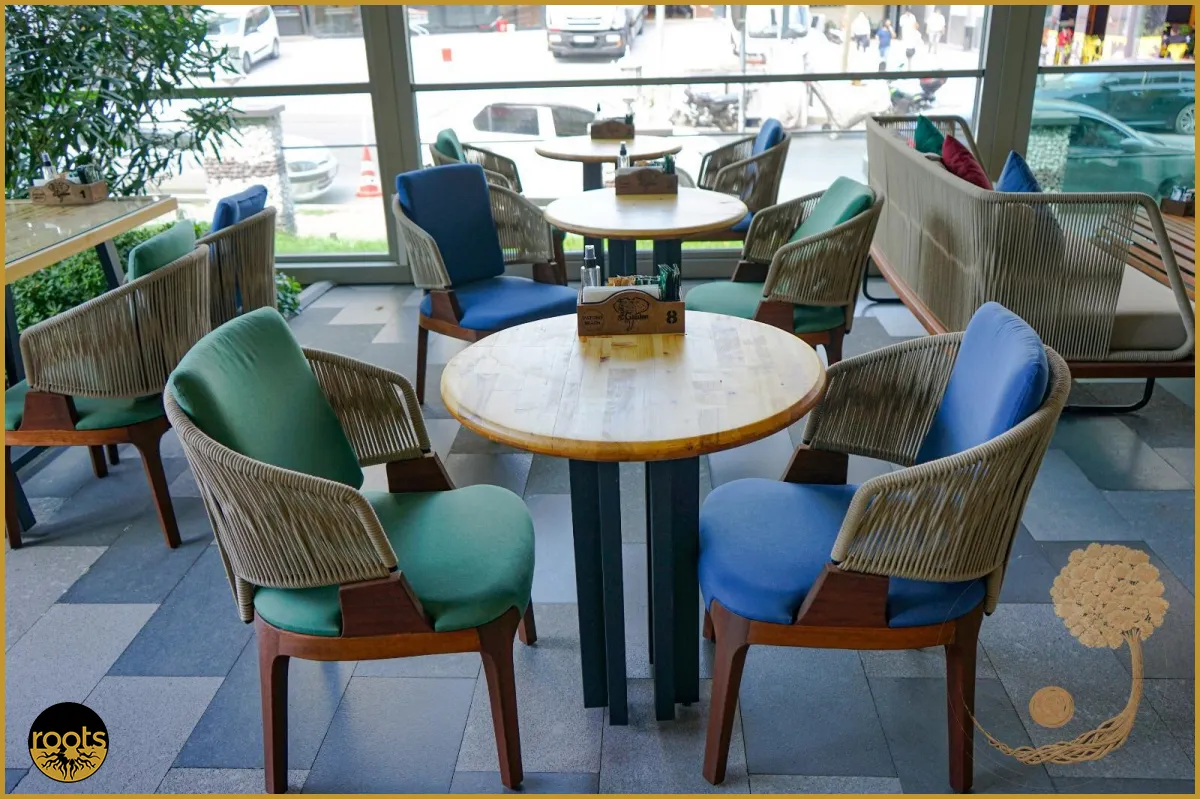
Concept cafe designs: Interior Architectural Cafe Designs
Opening a cafe is not only about offering delicious drinks and food, but also about providing visitors with an unforgettable experience. At this point, concept cafe designs and interior architectural cafe designs come into play. A design that reflects the spirit of the space, appeals to the target audience and strengthens the brand identity is one of the keys to success.
What Is a Cafe Concept and Why Is It Important?
A cafe concept is an identity that determines the overall atmosphere of the space, the products offered, its target audience and its design language. A concept cafe offers visitors more than an ordinary cafe experience: a meeting point shaped around a specific story or theme. This uniqueness allows you to stand out in the competitive cafe sector and helps you build a loyal customer base.
The Concept Creation Process
The following steps should be followed to create a successful cafe concept:
- Target Audience Analysis: Who do you want to serve? Students, art lovers, business people, families? Your target audience's expectations and lifestyle form the basis for shaping the concept.
- Brand Identity and Values: What will be the core values of your cafe? Warmth, innovation, sustainability, luxury? These values should manifest themselves at every stage of the design.
- Choosing the Core Theme: It can be shaped around a theme such as a specific era, an art movement, nature, books or music. The theme determines the overall atmosphere and decoration of the space.
- Menu and Service Alignment: The concept should also be in harmony with the menu offered and the quality of service. For example, a concept focused on organic and healthy eating will be more meaningful in a space designed with natural and ecological materials.
How Should Interior Architectural Cafe Designs Be?
Interior architectural cafe designs are the most important element that brings the concept to life. The space, shaped by an architect's vision, should appeal to visitors' senses and offer them comfort and inspiration. A well-designed cafe should be not only aesthetic but also functional.
Functional Areas of the Space and Their Arrangement
Every cafe space needs specific functional areas:
- Entrance and Welcome Area: This is the first area that greets the customer. It should reflect the concept and be inviting.
- Seating Areas: Seating arrangements for different needs are important. Variety should be offered, such as comfortable armchairs, work desks and group areas.
- Service Area (Bar/Counter): It should be both efficient for staff and aesthetic for customers.
- Kitchen and Preparation Areas: They should be designed to optimize the workflow.
- Restrooms: They should be clean, well-maintained and in harmony with the concept.
- Storage Areas: They are critical for order and cleanliness.
What Needs Does It Meet and Who Is It Suitable For?
Concept cafe designs meet various needs:
- Social Need: It offers a space where people can come together, socialize, chat and meet up.
- Individual Need: It creates calm and inspiring environments for those who want to spend personal time reading, working or relaxing.
- Aesthetic and Cultural Need: It offers a visual feast for those interested in art, design and different cultures.
- Gourmet Experience Need: It appeals to the palate with specialty coffees, unique flavors and innovative menus.
Such designs can appeal to a wide audience such as young professionals, students, art lovers, tourists, local people and people belonging to a specific cultural group.
When Should It Be Preferred?
Concept cafe designs are an ideal choice in the following situations:
- Differentiating in a Competitive Market: When you want to stand out from the crowd in the sector and create your own niche.
- Targeting a Specific Audience: When you want to appeal to a group with a specific lifestyle or area of interest.
- Increasing Brand Awareness: When you want to create a memorable brand image by offering a unique space and experience.
- Building Long-Term Customer Loyalty: When you want visitors to come not only to drink coffee but also to experience the atmosphere of the space.
- Creating a Creative and Inspiring Environment: When you want to create a space with positive energy for employees and visitors.
In What Ways Does It Differ from Alternatives?
Concept cafe designs differ from traditional or standardized cafes in the following ways:
- Unique Theme and Story: Beyond being an ordinary venue, it is shaped around a specific theme or story.
- Personalized Atmosphere: Every detail is carefully selected and designed to support the concept.
- Customer Experience Focus: Not only the product but the venue itself offers an experience.
- Design for the Target Audience: It is specially designed to appeal to a specific audience.
- A Sensory Effect: It creates an atmosphere enriched with visual, auditory and even olfactory elements.
Considerations in Material Selection and Comparison
The materials used in cafe design directly affect both the aesthetics and the durability of the venue. Cost and maintenance are also important factors.
| Material Type | Durability | Interior/Exterior Architectural Use | Cost | General Comments |
|---|---|---|---|---|
| Wood | Medium (Varnished and treated wood is more durable) | Both interior and exterior (Special treatments are required for outdoor use) | Medium - High | Creates a natural and warm atmosphere. May require maintenance. |
| Natural Stone (Marble, Granite, etc.) | High | Both interior and exterior | High | Offers a luxurious and sophisticated look. It is heavy and may require special installation. |
| Metal (Stainless Steel, Iron) | High | Both interior and exterior (Depending on the coating) | Medium - High | Ideal for a modern, industrial or minimalist look. |
| Concrete (Decorative Plaster, Pressed Concrete) | High | Both interior and exterior | Medium | Popular in industrial, modern and minimalist designs. Can be used on floors and walls. |
| Brick (Decorative) | Medium - High | Mostly interior (Special coatings may be required for exterior facades) | Medium | Used in rustic, industrial and vintage styles. |
| Glass | Medium (Potential for fragility) | Both interior and exterior (Depending on the type) | Medium - High | Adds brightness and spaciousness to the venue. Can be used in partitions and table tops. |
| Textile Products (Fabrics, Leather) | Low - Medium (Depending on the area of use) | Mostly interior | Medium - High | Provides a layer of comfort and aesthetics. Used for upholstery and curtains. |
Considerations Before Purchasing
Before starting a concept cafe design project or purchasing such a service, it is important to pay attention to the following points:
- Get Professional Support: Working with an experienced interior architect or designer ensures that the concept is brought to life correctly.
- Budget Planning: Plan design, material, labor and decoration costs in detail.
- Physical Characteristics of the Venue: Consider factors such as the size, shape, lighting and ventilation of the existing venue.
- Legal Permits and Regulations: Research local regulations regarding construction, renovation and operating licenses.
- Functionality and Ergonomics: It is important that the venue not only looks beautiful but is also easy and efficient to use.
- Ease of Maintenance and Cleaning: Easy maintenance of the selected materials and design solutions reduces operating costs.
- Brand Consistency: Make sure the design is fully compatible with your brand's identity, mission and vision.
- Technological Integration: If necessary, technological infrastructure such as electricity, internet and lighting should be considered during the design process.
Frequently Asked Questions
A successful concept cafe design not only beautifies the space but also enriches the customer experience and makes significant contributions to your brand's long-term success. With detailed planning, correct material selection and a professional perspective, you can turn the space of your dreams into reality.











































































