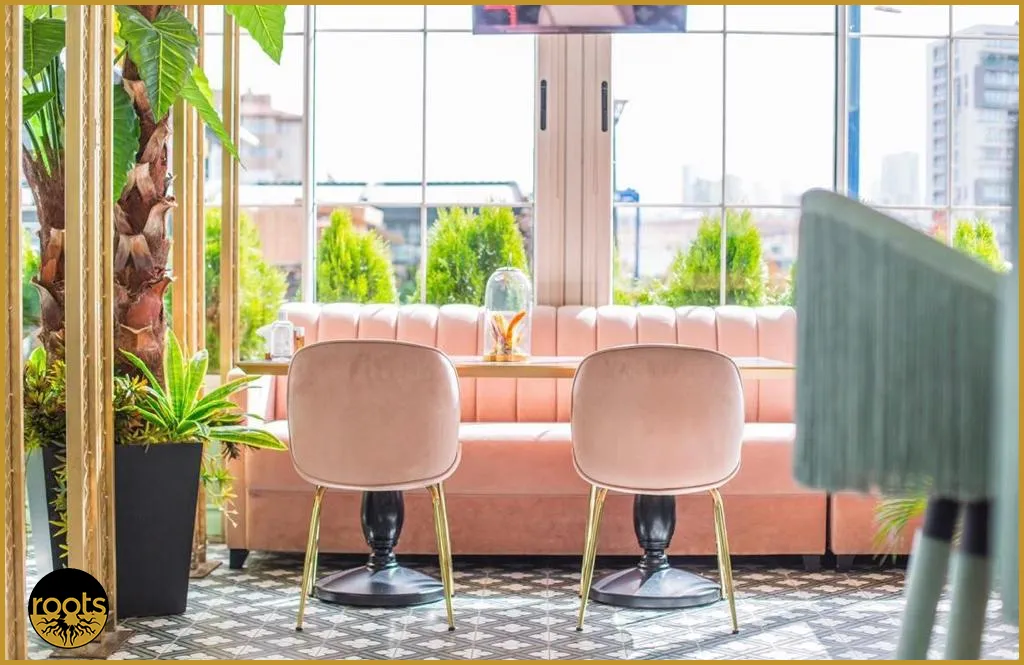
Cafe Interior Design: A Comprehensive Guide from Concept to Implementation
Opening a cafe or renovating your existing space requires not only offering delicious products but also providing your customers with an unforgettable experience. This is where cafe interior design and interior architecture come into play. A well-designed space attracts your target audience, strengthens your brand identity, and plays a critical role in the success of your business.
What Is Cafe Interior Design and Why Is It Important?
Cafe interior design is the process of planning and implementing the aesthetic, functional, and atmospheric elements of a food and beverage venue. This process covers many details, from the overall concept of the space to furniture selection, from lighting arrangements to the color palette. A successful interior design;
- Improves the Customer Experience: A comfortable, inviting, and pleasant environment encourages customers to stay longer and come back.
- Strengthens Brand Identity: Design creates a unique identity by reflecting your brand's values, target audience, and the products it offers.
- Increases Operational Efficiency: A cleverly planned layout enables your staff to work more efficiently and optimizes customer flow.
- Provides a Competitive Advantage: A unique and attractive design helps you stand out from your competitors and draw attention.
Who Is It Suitable For?
Cafe interior design services are highly suitable for the following situations and people:
- Entrepreneurs Opening a New Cafe: Those who want to create a functional and aesthetic design that suits their brand identity, starting from the initial concept of the venue.
- Those Who Want to Renovate Their Existing Cafe: Business owners who want to modernize their old, outdated, or no-longer-appealing spaces and adapt to current trends.
- Those Who Want to Increase Customer Satisfaction: Those who aim to improve the atmosphere of the venue so that customers have a more enjoyable time.
- Those Who Want to Reach a Wider Audience: Businesses that want to adopt versatile design approaches capable of attracting customers from different age groups or interests.
- Those Who Want to Maximize the Potential of Their Space: Those who want to make a small area more functional or make a large area warmer and more inviting.
What Needs Does It Meet?
Cafe interior design meets many fundamental needs of your business:
- Aesthetics and Visual Appeal: It ensures the venue gains a striking and unforgettable appearance.
- Comfort and Functionality: It creates a layout where customers can sit comfortably, movement is not restricted, and staff can serve easily.
- Optimization of Space Flow: It ensures that all areas, from customer entry and exit to service areas and restrooms, are in a logical and fluid order.
- Brand Communication: It conveys the brand's message and values to visitors through colors, materials, and the overall atmosphere.
- Functional Space Planning: It ensures the efficient separation and arrangement of the ordering area, seating groups (dim corners, communal tables, etc.), kitchen, and service areas.
- Creating Atmosphere: It creates an atmosphere suited to the feeling the venue wants to convey (intimate, modern, classic, lively, etc.).
In Which Situations Should It Be Preferred?
Cafe interior design should be seen as a strategic investment in the following situations:
- When Establishing a New Business: To correctly determine the initial identity of the venue and make a strong start.
- When Experiencing Customer Loss: If customer loss is occurring because the venue has become outdated or lost its appeal.
- After Competitor Analysis: In cases where nearby competitors have modern and attractive spaces and you want to gain a competitive advantage.
- When Doing Rebranding: If the goal is for your business to gain a new identity by updating its vision and mission.
- To Leverage the Potential of the Venue's Location: To reveal the potential of a venue located in a good spot but with weak interior design.
Things to Consider in Cafe Design
The fundamental elements to consider for a successful cafe design are as follows:
- Concept Determination: The type of your venue (coffee house, cafe with bistro, thematic cafe, etc.), your target audience and the message you want to convey should be clarified.
- Functionality and Flow: A layout that facilitates customer and staff movement and optimizes ordering and service processes should be planned.
- Lighting: General lighting, accent lighting and decorative lighting elements should be used in balance. It is important to make maximum use of daylight.
- Color and Material Selection: Colors and textures that suit the brand identity and will make the venue more inviting or energetic should be chosen.
- Furniture Selection: Furniture that is both aesthetic and comfortable, long-lasting and compatible with the overall concept of the venue should be preferred.
- Acoustics: Solutions (sound insulation materials, fabrics, etc.) that will keep the noise level of the venue under control should be considered.
- Indoor Planting and Decoration: Live plants and artistic objects can add warmth and character to the venue.
Material Options and Comparison
Materials used in cafe interiors play an important role in terms of both aesthetics and durability. Here is a comparison of some commonly used material types:
| Material Type | Durability | Interior/Exterior Architectural Use | Cost (Average) | Features |
|---|---|---|---|---|
| Wood (Solid, Solid Veneer) | High (Depends on maintenance) | Generally Interior (Exterior with special treatments) | Medium - High | Natural, warm, aesthetic. Available in different tones and textures. May be sensitive to scratches and moisture. |
| Metal (Steel, Aluminum, Iron) | Very High | Interior and Exterior | Medium - High | Ideal for modern, industrial and minimalist designs. Durable and easy to maintain. |
| Concrete (Polyurethane Coating, Polished Concrete) | Very High | Interior and Exterior | Medium | Offers an industrial, minimalist and modern look. Resistant to wear and impacts. |
| Ceramic and Porcelain (Floor, Wall) | Very High | Interior and Exterior | Low - Medium | Hygienic, easy to clean. Resistant to water and stains. Offers a wide range of patterns and colors. |
| Fabric and Upholstery Materials (Armchair, Cushion) | Medium - High (Depends on Type) | Generally Interior | Low - High | Provides comfort. Adds color and texture to the venue. Easy-to-clean and stain-resistant options should be preferred. |
| Glass (Tabletops, Partitions) | Medium (Fragility is a concern) | Interior | Low - Medium | Makes the venue look more spacious. Easy to clean. Safety can be increased with anti-shatter films. |
Our Aspects That Differ from Alternatives
Getting professional support in cafe design allows you to go beyond an ordinary understanding of a venue. By producing solutions specific to the needs of your business, we ensure that your venue:
- Gains a Unique Character: We create a memorable atmosphere that sets you apart from your competitors.
- Offers a Customer-Oriented Experience: We design spaces where your customers will feel comfortable and special and will want to stay for a long time.
- Increases Your Profitability in the Long Term: In addition to aesthetic appeal, we maximize the return on your investment by combining functionality and durability elements.
- Provides Professional Process Management: We manage all processes from the idea stage to the end of implementation in cooperation with you and transparently.
What Should Be Considered Before Purchasing?
Before starting a cafe design project or deciding to work with a designer, it is important to pay attention to the following points:
- Budget Planning: A realistic budget covering design, renovation and furniture expenses should be created.
- Target Audience Analysis: Clearly determining who your venue will appeal to directly affects design decisions.
- Current Condition of the Space: It is important to have information about the physical characteristics of the existing structure, the condition of the installations and permits.
- Brand Identity: Your brand's colors, logo and overall message should guide the design process.
- Communication: Establishing open and regular communication with the designer ensures that expectations are understood correctly.
- References and Portfolio: Reviewing the previous work of the designer or team you are considering working with gives an idea about style and quality.
- Contract Details: A clear contract should be made regarding matters such as delivery times, payment plan and revision rights.











































































