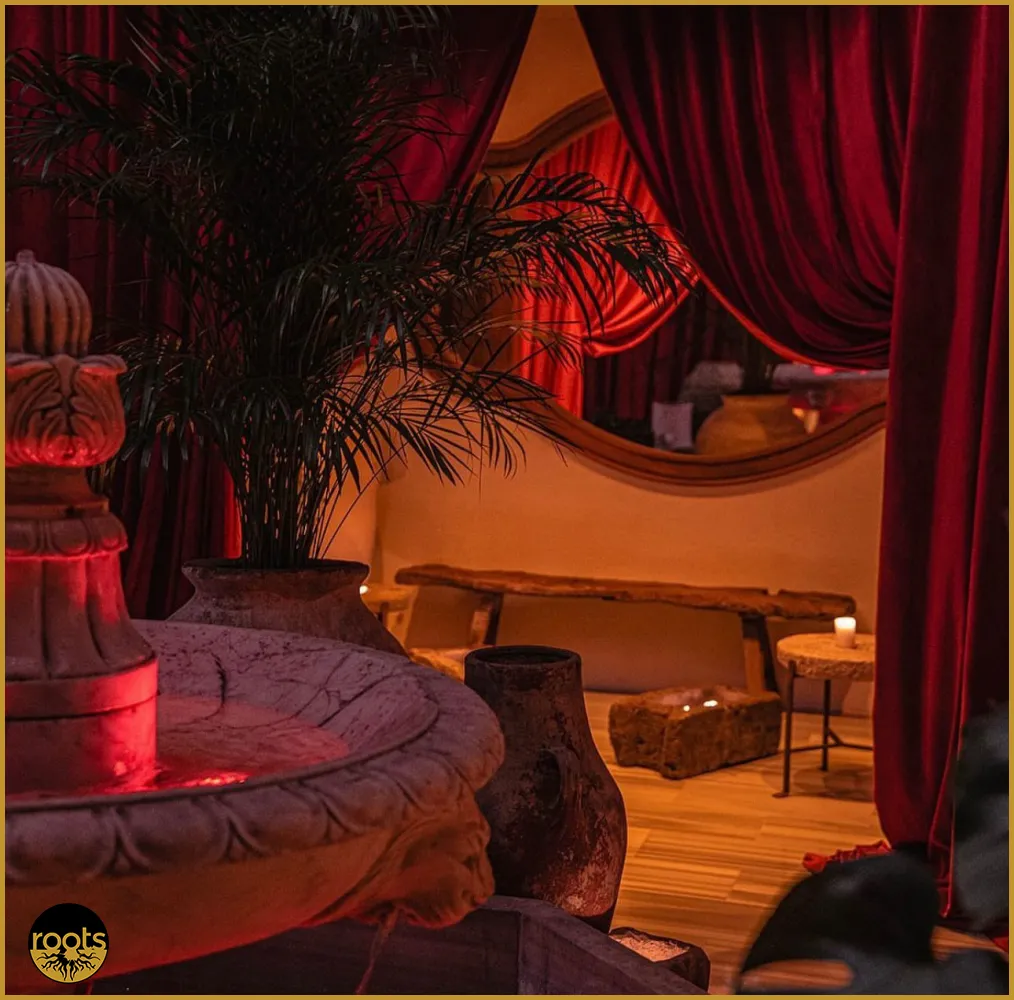
Restaurant Interior Architecture Designs: A Guide to Creating a Successful Venue
The success of a restaurant is directly related not only to the delicious food it offers but also to its impressive and functional interior design. Professional restaurant interior architecture designs, which shape the customer experience, reflect the brand identity and increase operational efficiency, are indispensable in today's competitive food and beverage sector.
In this comprehensive guide, you will find all the details to help you choose the most suitable interior design for your restaurant. We will cover what the product is, what it does, who it is suitable for, which needs it meets and many other important topics.
What Is Restaurant Interior Architecture Design and What Does It Do?
Restaurant interior architecture design is the planning and implementation process that covers both the aesthetic and functional aspects of a food and beverage venue. This process aims to organize the venue in a way that highlights its overall atmosphere, customer comfort, employee efficiency and brand identity.
It basically fulfills the following functions:
- Improving the Customer Experience: A pleasant atmosphere, comfortable seating areas and a smooth spatial layout ensure that customers stay longer and have a positive experience.
- Reflecting Brand Identity: The design visually expresses the brand's personality and values through colors, materials and furniture suited to the restaurant's concept (modern, rustic, classic, gourmet, etc.).
- Providing Operational Efficiency: Smart planning of elements such as kitchen layout, service areas, storage areas and customer flow enables employees to serve faster and more efficiently.
- Optimizing Space Usage: Making the best use of limited spaces both increases seating capacity and ensures that the venue is spacious and practical.
- Safety and Accessibility: The design must meet safety and accessibility standards such as identifying emergency exit routes, non-slip floor coverings and arrangements suitable for disabled access.
Who Is It Suitable For and Which Needs Does It Meet?
Restaurant interior architecture design appeals to a wide audience, from entrepreneurs planning to open a new restaurant to business owners who want to renovate their existing venues. The areas of need are as follows:
- Those Opening a New Restaurant: Those who want to create the right venue from the start by receiving professional support from the concept determination stage onward.
- Those Who Want to Renovate Existing Restaurants: Those who want to update their outdated decoration, make it more modern or increase customer satisfaction.
- Those Who Want to Try Different Concepts: Those who want to transform a restaurant into a thematic structure or rebrand with a new concept.
- Those Experiencing Operational Problems: Those who want to solve inefficiencies, cramped areas or customer flow problems within the venue.
- Those Who Want to Increase Customer Traffic: Those aiming to attract more customers by creating a more attractive and inviting atmosphere.
In Which Situations Should It Be Preferred?
A professional restaurant interior design should definitely be preferred in the following situations:
- When you want the restaurant to be perceived not only as food but also as an experience venue.
- When you aim for the venue to have a unique identity and a memorable atmosphere.
- When you want to ensure that the kitchen and service areas are designed in an efficient and ergonomic way.
- When you want to optimize seating capacity by maximizing the potential of the existing space.
- When you want to minimize errors during the renovation or remodeling process and use the budget correctly.
- When you want to create aesthetic elements that will meet the expectations of your target audience and attract them to your venue.
In Which Aspects Does It Differ from Its Alternatives?
Restaurant interior design means much more than just a decoration style or a furniture selection process. Its main differences are as follows:
- Comprehensiveness: Rather than focusing solely on aesthetic appearance, it addresses all details such as the functionality of the space, material selection, lighting, acoustics, ventilation, customer flow and staff operations with a holistic approach.
- Professional Expertise: Expert interior architects offer solutions tailored to you with their knowledge of spatial analysis skills, material knowledge, ergonomics principles and current trends.
- Budget Management: Although the initial investment cost may seem high, in the long term it provides cost effectiveness by preventing material waste, increasing operational efficiency and raising customer satisfaction.
- Concept Focus: It creates a consistent and strong brand identity that is in harmony with the overall concept of the space.
- Customer Experience Focus: It creates spaces that are not only pleasing to the eye but also make guests feel comfortable, safe and special.
Material Selection and Features
The materials used in restaurant designs are of great importance in terms of both aesthetic appearance and durability and functionality. Here are some commonly used material types and their comparison:| Material Type | Durability | Interior/Exterior Architectural Use | Cost (Average) | Features and Notes |
|---|---|---|---|---|
| Natural Stone (Marble, Granite) | Very High | Both Interior and Exterior (Specially processed) | High | Aesthetic, prestigious, hygienic, stain-resistant, may give a cold feel. |
| Wood (Solid, Veneer, Composite) | Medium-High (Depends on maintenance) | Both Interior and Exterior (With special coating and protection) | Medium-High | Warm atmosphere, natural appearance, flexible design possibilities, may be sensitive to scratches and water. |
| Ceramic and Porcelain | High | Both Interior and Exterior (Depending on the model) | Low-Medium | Various patterns and textures, easy to clean, scratch-resistant, water and stain resistant, non-slip surface options available. |
| Concrete (Polyurethane, Epoxy Coating) | Very High | Both Interior and Exterior | Medium | Industrial and modern appearance, durable, stain-resistant, hygienic with seamless application. |
| Metal (Stainless Steel, Iron) | Very High | Both Interior and Exterior | Medium-High | Modern, industrial, durable, maintenance-free, can look elegant or plain depending on the design. |
| Glass (Tempered, Laminated) | Medium-High (Depending on the area of use) | Mainly Interior (Also used for exterior facades) | Medium | Transparency, feeling of spaciousness, modern appearance, special glass resistant to breakage is preferred. |
| Textile Products (Fabric, Leather) | Medium (Depends on use and maintenance) | Interior | Medium-High | Comfortable seating areas, variety of colors and textures, stain-resistant and easy-to-clean fabrics are important. |
On the Cost axis, while the most affordable options are generally ceramic and porcelain products, natural stones and custom-designed woodwork may be more costly. In terms of Durability, natural stones, metals and specially coated concretes stand out. Suitability for use in interior and exterior architecture is related to how resistant the material is to weather conditions and external factors.
Things to Consider Before Purchasing
The main points you should pay attention to when receiving restaurant interior design services or making an investment in this direction are as follows:- Concept Determination: Who is your target audience? Which cuisine will you offer? What should the overall atmosphere of your venue be? You must have clear answers to these questions.
- Budget Planning: Create a realistic budget for design, renovation, furniture, lighting, decoration and possible unexpected expenses.
- Physical Condition of the Space: Analyze in detail elements such as the dimensions of the existing space, columns, utility points, and window and door positions.
- Professional Support: Working with an interior architect or design office that is experienced in its field and has strong references increases your project's chances of success.
- Functionality and Ergonomics: A layout should be planned not only to look beautiful, but also so that the kitchen team can work comfortably, the service staff can move quickly, and customers can spend comfortable time.
- Lighting Design: Correct lighting greatly affects the ambiance of the space. A balanced use of general lighting, task lighting and accent lighting is important.
- Acoustics and Sound Insulation: Appropriate sound insulation materials and techniques should be used, especially in crowded venues, so that sound is not disturbing.
- Material Selection: The right materials should be selected to meet your expectations for durability, ease of cleaning, hygiene and aesthetics.
- Regulations and Permits: Make sure that the renovation and design process complies with the relevant local regulations and building permits.
- Flexibility and Modularity: It can be beneficial for the space to have a degree of flexibility for possible future changes or events.
Frequently Asked Questions
The cost of restaurant interior architecture design depends on many factors: the size of the space, the complexity of the concept, the quality of the selected materials, the designer's experience and the scope of the project (whether it is design only or includes implementation, etc.). After a detailed survey and needs analysis, a customized price offer can be presented to you.
The renovation period varies depending on the scope of the project. While a simple decoration update takes a few weeks, a comprehensive redesign and renovation can take several months. This process also depends on factors such as permit processes, material supply times and labor.
Concept selection is shaped by your target audience, your location, the cuisine you will offer and your personal preferences. An interior architect can guide you in this direction and propose a customized concept, also taking into account trends and innovations that will appeal to your target audience's tastes.
Yes, various design techniques can be used to make the space look larger in small venues. Light colors, mirrors, correct lighting, smart storage solutions, transparent or slim furniture and arrangements that optimize spatial flow help in this regard.
The kitchen is the heart of the restaurant. An efficient kitchen design speeds up food preparation processes, reduces operational errors, ensures employee safety and helps maintain hygiene standards. It is a factor that directly affects customer satisfaction.











































































