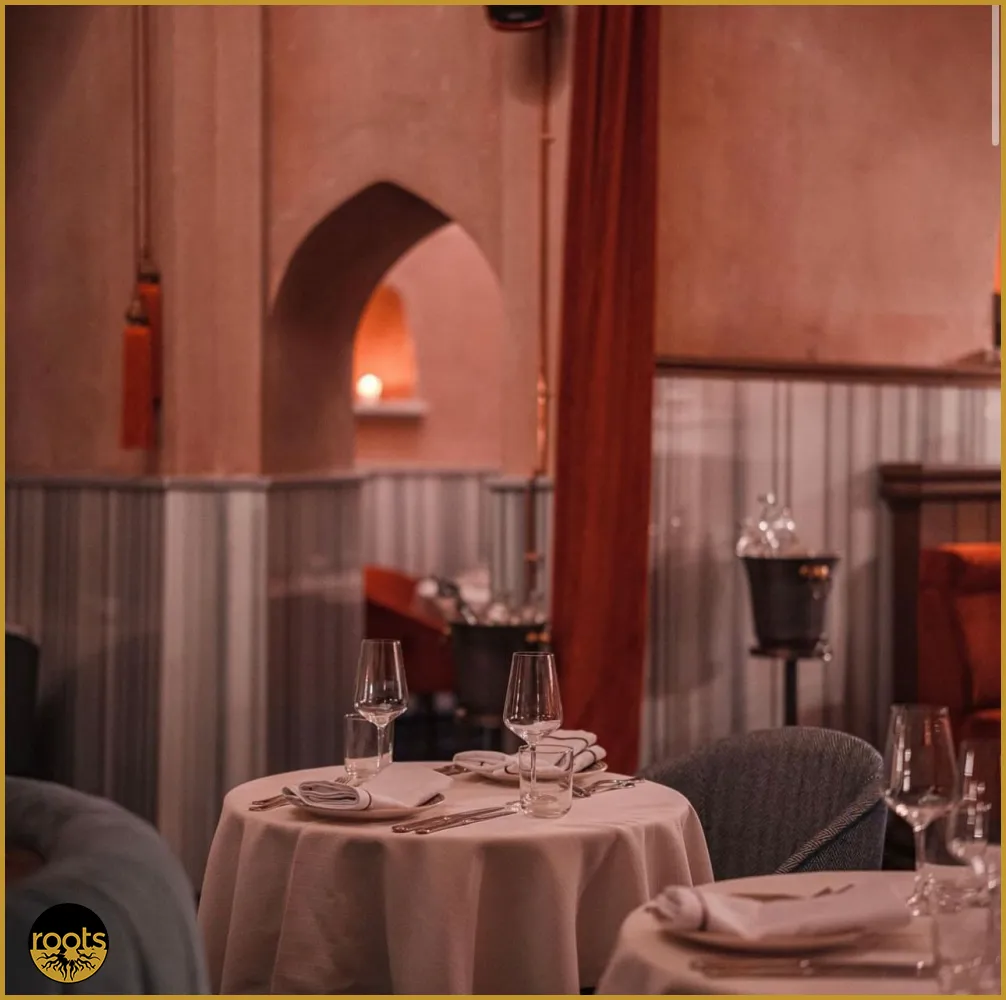
Concept and Functionality in Interior Architecture Restaurant Designs
The success of a restaurant is directly related to the atmosphere it offers its guests as much as the flavors it serves. Interior architecture restaurant designs do not pursue only an aesthetic concern; they also transform operational efficiency, customer circulation and brand identity into a physical form. The right interior design helps a business build a loyal customer base by integrating the experience it offers.
The restaurant interior design process begins by analyzing the physical boundaries of the space, the targeted culinary culture and the expectations of the target audience. In a modern gastronomy venue, ergonomics, lighting and acoustics form the cornerstones of the design. Creating spaces where customers feel comfortable and staff can achieve the highest efficiency with the least effort is the most fundamental goal of a professional interior architecture touch.
Who Are Restaurant Interior Designs Suitable For?
Professional design solutions are a necessity not only for businesses that are about to open, but for all entrepreneurs who want to modernize their existing structure. Customized design processes are of great importance for the following profiles:
- New Entrepreneurs: Those who want to establish their brand identity on solid foundations from day one.
- Chain Restaurants: Brands that aim to provide a standard atmosphere and operational flow across branches.
- Those Changing Concept: Businesses that update their existing menu and target audience.
- Boutique Cafes and Gastropubs: Small businesses that want to achieve maximum efficiency and a characteristic stance in limited spaces.
Critical Points to Consider in the Design Process
Before deciding on the design of a restaurant, it should be considered that the space not only looks "beautiful" but also "works". Here are the main criteria you should pay attention to during the decision-making process:
Operational Flow: The distance between the kitchen and the service area, the movement paths of the waiters and the customer entry-exit routes must not overlap. A correctly planned layout directly increases service speed.
Lighting Strategy: Maximum use of daylight should be ensured, and in the evening hours a balance of dimness or liveliness appropriate to the spirit of the venue should be provided. Lighting is a technical detail that affects the colors and appetizing appeal of the food.
Acoustic Arrangement: Customers must be able to communicate comfortably among themselves without hearing the conversations at the next table. Sound-absorbing panels or soft-textured surfaces should be placed strategically to prevent noise pollution.
Material Selection and Comparison
The durability, cleanability and cost of the materials used in restaurant designs affect long-term operating expenses. The following table evaluates frequently preferred material types from different perspectives:
| Material Type | Area of Use | Durability | Maintenance/Cost Level |
|---|---|---|---|
| Natural Stone / Marble | Bar counter, floor, tabletop | High (But prone to staining) | High Cost / Delicate Maintenance |
| Industrial Epoxy | Floor, kitchen passages | Very High | Low Cost / Easy Cleaning |
| Solid Wood | Table, wall cladding, ceiling | Medium (Sensitive to temperature and humidity) | Medium-High Cost / Periodic Maintenance |
| Stainless Steel | Open kitchen, service counters | Highest | Medium Cost / Hygienic and Long-Lasting |
What Sets It Apart from Alternatives: Why Professional Design?
The difference between standard decoration ideas and interior architecture restaurant designs is the holistic approach. Professional design does not only arrange furniture; it solves every detail, from the ventilation capacity of the space to compliance with fire regulations, within a technical project. Businesses that decorate with their own means generally face problems such as insufficient lighting, poor acoustics or inefficient kitchen planning and have to confront more renovation costs in the long run.
Frequently Asked Questions
Costs vary depending on the square meterage of the space, the quality of the selected material, kitchen technologies and the depth of the architectural implementation (plumbing renovation, etc.).
To create a perception of depth in small spaces, mirrors, light color palettes and vertical storage/display units should be used. Minimalist and functional furniture makes the space look more spacious.
The kitchen is the heart of a restaurant. Approximately 25%-40% of the total area should be allocated to kitchen and preparation areas. The dining area design should be set up according to service exit points in a way that supports this operation.
In conclusion, restaurant interior designs are one of the most strategic investments that determine the commercial life of a business. A space set up with the right materials, light and planning becomes not just a place to eat, but an experience point that guests will want to return to. Before purchasing and project planning, the future growth potential of the business and the comfort expectations of its target audience must definitely be analyzed.











































































