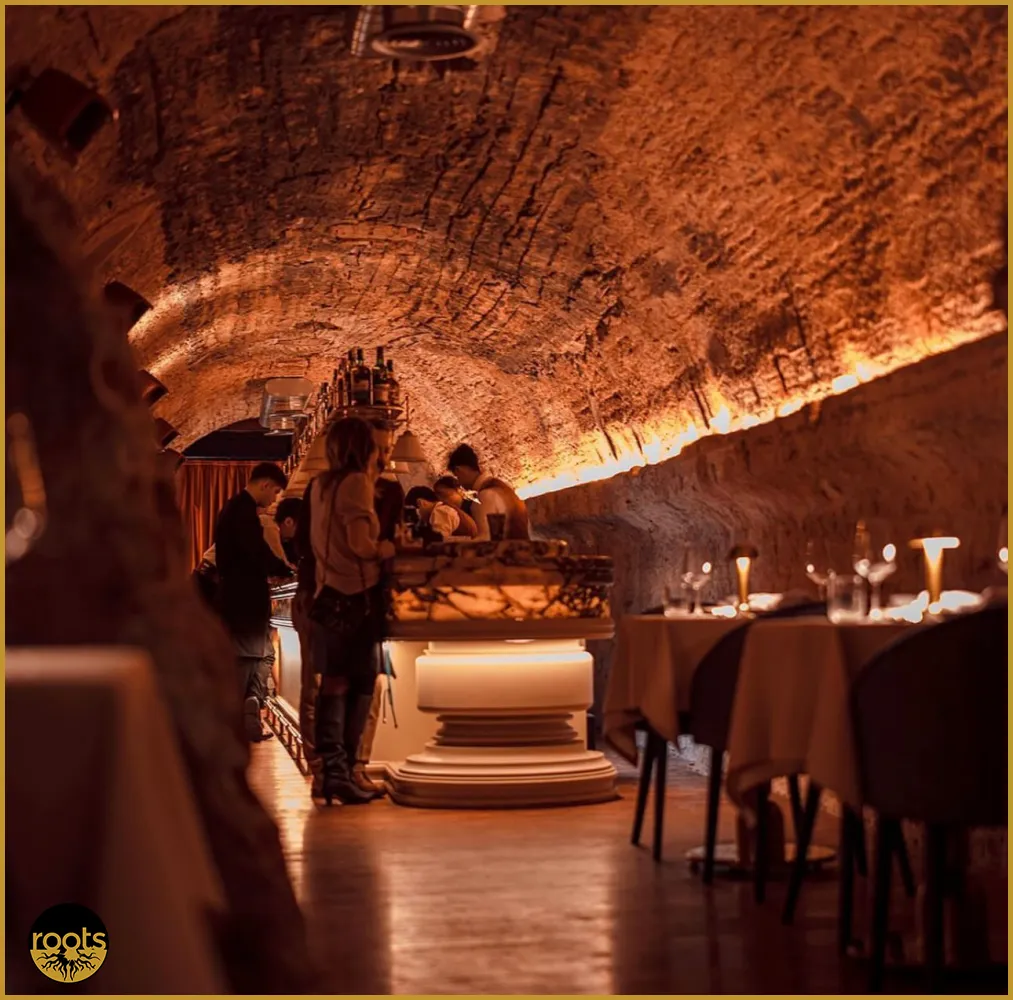
Vision and Strategy in Restaurant Interior Designs
The success of a restaurant is directly related to the atmosphere in which the menu is served as much as the menu itself. Interior architecture restaurant designs do not pursue only an aesthetic concern; they are also an engineering work that determines the operational speed of the business, staff efficiency and, most importantly, customer satisfaction. A professional interior design optimizes the comfort guests feel from the moment they enter the venue and increases the venue's preferability.
Main Contributions of Interior Architecture Design to the Business
In restaurant projects, the design process aims to meet the following basic needs while creating the identity of the venue:
- Customer Psychology and Experience: The color palette, textures and lighting affect customers' appetite, length of stay and sense of belonging to the venue.
- Operational Efficiency: Correct planning of service routes and optimizing the route of waiters between the kitchen and tables directly increases service speed.
- Acoustic Comfort: Sound insulation and echo control ensure privacy between tables and a peaceful dining experience even during busy hours.
- Brand Identity: Design is the strongest language that tells whether a business is "fast food" or "fine dining" without speaking.
Who Is Restaurant Interior Design Suitable For?
A comprehensive design process appeals to a wide audience, from entrepreneurs taking their first step into the sector to experienced operators who want to modernize their existing venue. Professional interior architecture support plays a critical role especially in the following situations:
- If a new brand concept is being created.
- If there is a decrease in customer traffic at the existing venue and renewal is required.
- If there are coordination problems between the kitchen and service areas.
- If energy efficiency and technical infrastructure have become outdated.
Material Selection and Durability Criteria
In restaurant designs, material selection should focus on hygiene and durability as much as aesthetics. Materials used in commercial venues must be suitable for the "high traffic" load. The following table compares the features of some frequently preferred material types:
| Material Type | Area of Use | Durability | Cost Axis | Maintenance Need |
|---|---|---|---|---|
| Solid Wood | Tables, Decorative Panels | Medium - High | High | Requires regular maintenance |
| Natural Stone (Marble/Granite) | Bar Counters, Flooring | Very High | High | Stain protection required |
| Stainless Steel | Kitchen, Modern Details | Top Level | Medium - High | Low / Hygienic |
| Microcement / Epoxy | Floor Coating | High | Medium | Very Low |
| Fabric / Upholstery (Commercial Type) | Booths, Chairs | Medium | Variable | High (Stain resistance required) |
Points to Consider Before Purchasing and Implementation
Considering the following points before investing in an interior architecture project ensures that the process progresses healthily:
- Space Analysis: The existing building's structural systems, utility outlets and ventilation capacity must be meticulously examined.
- Target Audience Identification: The design must respond not only to the owner's taste but also to the expectations of the targeted customer base.
- Budget and Time Management: How long the project will take and the cost items at each stage must be planned transparently.
- Official Regulations: Fire regulations, municipal licensing requirements and hygiene standards are an inseparable part of the design.
Design Approaches That Make a Difference
The biggest difference between ordinary decoration and professional restaurant interior design is the solution-oriented approach. For example; while the industrial design style provides a sense of spaciousness with open ceilings, the minimalist approach draws the focal point entirely to the food. The style to be chosen must be compatible with the culinary culture (e.g., Far Eastern, Italian or Traditional Turkish Cuisine).
Frequently Asked Questions
1. How long does a restaurant design process take on average?
Although it varies depending on the size of the space and the scope of the project, the concept design and implementation project stages are generally completed in 4 to 8 weeks. The implementation (construction) process is added to this period depending on the complexity of the project.
2. Why is lighting design so important?
Lighting affects the colors of the food and its appetizing appeal. In addition, dimmable smart lighting systems should be preferred to change the mood of the space at different times of the day (such as lunch and dinner).
3. What approach should be followed in small square-meter spaces?
In small spaces, the space is made to look spacious through strategies such as functional furniture, creating a perception of depth through the use of mirrors, and using vertical areas for storage/decoration.
4. Does the use of sustainable materials in design increase costs?
Although the initial cost is somewhat higher, energy-efficient lighting and durable natural materials pay for themselves in the long run by reducing operating costs.
In conclusion, interior architecture restaurant designs are the fundamental building block for the sustainable success of a business. A properly planned space; from the kitchen to the service area, from lighting to material selection, must offer flawless integrity in every detail. Working with an expert perspective in this process will increase the return on investment and strengthen your brand's position in the sector.











































































