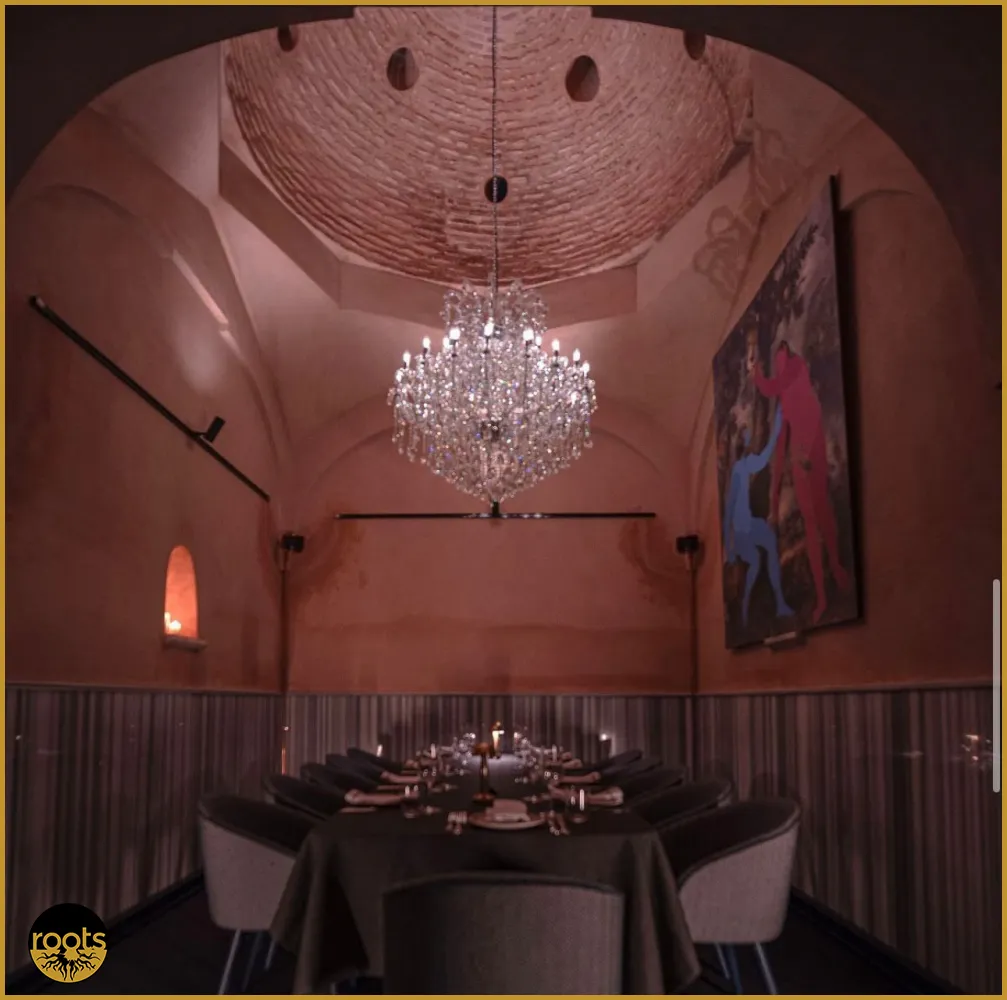
The Role of Interior Architecture Restaurant Designs in Business Success
The success of a restaurant is directly related not only to the quality of the dishes served but also to how guests feel in that space. Interior architecture restaurant designs are the most fundamental element that creates the identity of a venue, increases operational efficiency and builds customer loyalty. A professional interior design does not pursue only an aesthetic concern; it also incorporates many technical details, from the acoustics of the space to the balance of light, from kitchen operations to the optimization of waiter routes.
Who Are Restaurant Interior Designs Suitable For?
This service appeals to a wide audience, from entrepreneurs planning to open a new business to experienced operators who want to modernize their existing venue. In particular, it aims to meet the following needs:
- Chain restaurants that want to reflect their brand identity onto the physical space.
- Businesses offering boutique and niche cuisine that aim to create a special atmosphere.
- Venues that want to increase their capacity by using their existing space more efficiently.
- Fast-food or "casual dining" concepts that want to optimize customer circulation and service speed.
Critical Points to Consider in the Design Process
Before purchasing a restaurant design or starting the project phase, the following points should be emphasized for the sustainability of the venue:
- Functionality: However important aesthetics may be, the distance between the kitchen and the service area must not restrict the movement of staff.
- Lighting Strategy: A lighting plan that can create different ambiances for daytime and evening hours and that reflects the colors of the food accurately is essential.
- Acoustic Comfort: Sound insulation and acoustic arrangement should be implemented so that customers can hear each other comfortably while background noise is minimized.
- Air Quality: A powerful and quiet ventilation system that prevents kitchen odors from leaking into the dining area is an inseparable part of the design.
Material Selection and Comparative Analysis
The selection of materials used in restaurants affects both cost and long-term comfort of use. Durability and hygiene come first in commercial spaces.
| Material Type | Area of Use | Durability | Cost Axis |
|---|---|---|---|
| Natural Stone (Marble/Granite) | Bar counter, entrance area | High (Low stain resistance) | High |
| Industrial Epoxy | Kitchen, floors | Very High | Medium |
| Solid Wood | Tables, decorative panels | Medium (Requires maintenance) | High |
| Ceramic/Porcelain | Floors and wet areas | High | Low - Medium |
| Metal Details (Brass/Steel) | Lighting, separators | Very High | Medium - High |
How It Differs from Alternative Design Approaches
The biggest difference between a standard decoration application and a professional restaurant interior design is "flow management." While ordinary decorations focus only on visual elements, professional interior architecture projects analyze customer psychology, the effect of colors on appetite and the ergonomics of the space with scientific data. This means less need for renovation and higher customer satisfaction in the long term.
Frequently Asked Questions
1. What determines restaurant design costs?
Costs vary depending on the square meterage of the venue, the quality of the selected materials, kitchen technologies and the level of detail of the concept to be applied. Correct budget planning is possible with a detailed survey and project design carried out at the beginning.
2. I have a small space, how can I make it look larger?
Light color palettes, strategic use of mirrors and minimal furniture designs make small spaces feel more spacious. In addition, decorative elements with vertical lines make the ceiling height feel greater.
3. How long does the design process take?
While the concept phase usually takes 2-4 weeks, the implementation period can vary between 2 and 6 months depending on the scope of the project. In cases requiring fast installation, modular designs can be preferred.
4. Can I include my existing furniture in the new design?
Yes, with "upcycling" techniques, your existing furniture can be made suitable for the new concept. This both provides a cost advantage and preserves the authenticity of the space.
Pre-Purchase Evaluation Checklist
Before deciding to work with an interior architecture office or a design package, it would be useful to check the following list:
- Does the office have a portfolio in a similar concept (for example, Steakhouse, Cafe or Fine-Dining)?
- Are technical installation (electrical, mechanical, ventilation) details included in the proposed project?
- Do the materials to be used have certificates suitable for commercial use?
- Is the design compliant with local regulations and fire legislation?
- Is revision or support service offered after project delivery?
A correct restaurant design is not just an expense item, but the most important investment in the future of your business. A comfortable and functional space that reflects the spirit of the venue ensures that your guests come back not only to eat, but to relive that experience.











































































