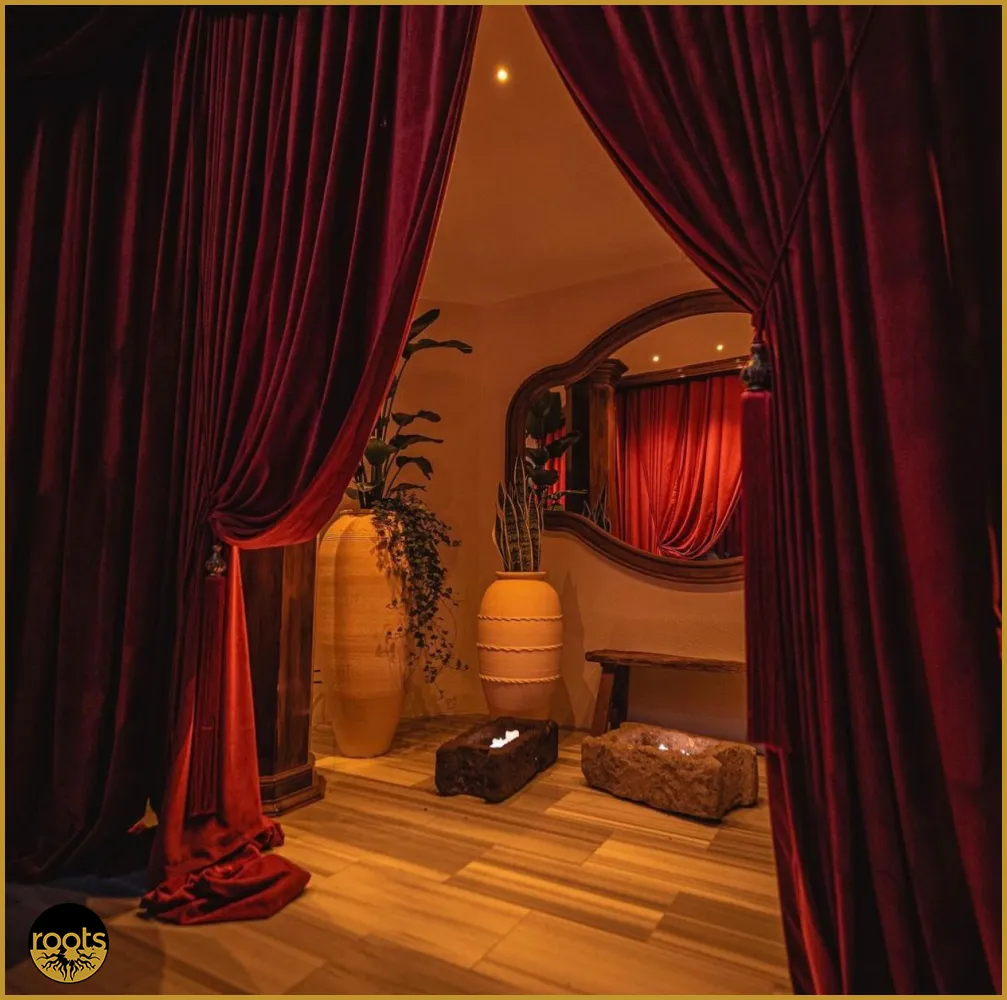
INTERIOR ARCHITECTURE RESTAURANT DESIGNS - RESTAURANT INTERIOR DESIGNS: A Comprehensive Guide from Concept to Implementation
In the success of a restaurant, the atmosphere of the space plays as critical a role as the flavor of the food. Customers do not only want to satisfy their hunger, they also want to have a pleasant experience. At this point, restaurant interior designs come into play. Successful interior architecture reflects brand identity, enhances customer comfort and supports operational efficiency. This guide aims to help you make the right decisions for your business by covering all stages of the restaurant design process.
What Does Restaurant Interior Design Do?
Restaurant interior architecture is not limited to aesthetic concerns. The interior design of a space fulfills the following core functions:
- Reflecting Brand Identity: Design visually communicates the restaurant's concept, target audience and values. A luxury fine-dining restaurant and a casual cafe require different design languages.
- Improving Customer Experience: Comfortable seating areas, appropriate lighting, smooth circulation paths and pleasant acoustics increase how long customers stay and their satisfaction.
- Ensuring Operational Efficiency: Optimizing elements such as the connection between the kitchen and the service area, the movement areas of waiters and storage areas directly affects service speed and staff efficiency.
- Managing Spatial Perception: The use of colors, materials and light can help the space be perceived as larger, more intimate or more spacious.
- Supporting Hygiene and Safety: Easily cleanable surfaces, good ventilation and safe floor coverings provide a healthy environment for both customers and staff.
Who Is It Suitable For?
Restaurant interior design services appeal to a wide audience, from entrepreneurs planning to open a new restaurant to business owners who want to renew the atmosphere of their existing spaces. These services include:
- Restaurants to be newly established (cafe, bistro, fine-dining, fast-food, etc.)
- Those who want to change the concept of their existing restaurants
- Those who want to modernize and renovate their spaces
- Businesses aiming for high customer satisfaction and return rates
- Restaurant chains that want to increase operational efficiency
Which Needs Does It Meet?
Effective restaurant interior architecture meets a range of core needs:
- Aesthetic and Functional Spaces: Creating spaces that are both pleasing to the eye and serve their intended use.
- Customer-Oriented Design: Creating an atmosphere where customers will be comfortable, have a pleasant time and want to come back.
- Spatial Planning: Optimizing different areas (dining area, bar, kitchen, restrooms, waiting area).
- Material and Color Selection: Creating color palettes with durable and hygienic materials suited to the concept of the space.
- Lighting Design: Developing lighting strategies that support the atmosphere and functionality of the space.
In Which Situations Should It Be Preferred?
Restaurant interior designs should especially be preferred in the following situations:
- When Opening a New Restaurant: Getting professional support to create the right concept and atmosphere from the start prevents problems that may arise later.
- When Changing Concept: If you plan to change the target audience or the service offered, the space must also adapt to this change.
- When Seeking a Competitive Advantage: A unique and memorable space design is of great importance for differentiating and standing out.
- When Experiencing a Decline in Performance in Existing Spaces: If there is a decline in customer satisfaction or occupancy rates, the space may need to be renewed.
- When Experiencing Spatial Problems: A professional perspective is essential for solving existing spatial problems such as narrow areas, poor flow and insufficient light.
Material Selection in Restaurant Design: Durability, Aesthetics and Cost
Since the restaurant environment is subject to intensive use, material selection is of great importance. A comparison of different material types on the axis of durability, indoor and outdoor use and cost is presented below:
| Material Type | Durability | Indoor/Outdoor Use | Cost (Average Assessment) | Highlights |
|---|---|---|---|---|
| Wood (Natural and Processed) | Medium - High (Increases with protection) | Both indoor and outdoor (with appropriate treatments) | Medium - High | Natural and warm atmosphere, aesthetic variety. |
| Natural Stone (Marble, Granite, etc.) | High | Both indoor and outdoor | High | Luxurious and prestigious appearance, long-lasting. |
| Ceramic and Porcelain Tile | High | Both indoor and outdoor | Low - Medium | Wide range of patterns and colors, easy to clean, stain-resistant. |
| Concrete (with Polyurethane Coating) | High | Both indoor and outdoor | Medium | Modern and industrial appearance, durable. |
| Metal (Stainless Steel, Iron, etc.) | High | Both indoor and outdoor | Medium - High | Used in modern, industrial or classic designs, durable. |
| Synthetic Materials (Dekton, Corian, etc.) | Very High | Both indoor and outdoor | High | Stain-resistant, scratch-resistant, resistant to UV rays, hygienic. |
| Glass (Tempered, Laminated, etc.) | Medium - High (Varies by type) | Generally indoor (outdoor with special applications) | Medium | Illuminates the space, creates a feeling of spaciousness, provides aesthetic details. |
In What Ways Does It Differ from Alternatives?
The advantages of receiving an interior architecture service differ from attempts you would make on your own or from standard solutions. Professional interior architecture designs:
- Originality and Personalization: By focusing on the unique needs of your space and your brand identity, it offers tailor-made designs far from one-size-fits-all standard solutions.
- Functionality and Flow Optimization: It focuses not only on aesthetics but also on the operational efficiency of the restaurant. It plans elements such as the kitchen, service area and customer traffic in the most appropriate way.
- Technical Knowledge and Experience: Thanks to technical knowledge and industry experience in subjects such as construction, materials science, lighting and acoustics, it produces long-lasting, safe and accurate solutions.
- Cost Control and Savings: By avoiding incorrect material choices, preventing unnecessary expenses and ensuring the work is planned correctly, it provides cost savings in the long term.
- Compliance with Trends and Innovation: While following current design trends, it also offers innovative ideas that will give the space a unique identity.
What Should Be Considered Before Purchasing?
When you decide to work with a professional on restaurant interior architecture, you should pay attention to the following points in order to choose the right partner and manage the process successfully:
- Portfolio and References: By examining the designer's previous work, evaluate their style and its suitability for your vision. If possible, get references from their previous clients.
- Communication and Understanding: It is important how well the designer listens to you, how well they understand your expectations and how well they give you feedback. Good communication is the foundation of a successful project.
- Proposal and Contract Details: Make a contract in which all details such as the scope of service, fees to be paid, payment plan, delivery dates and possible revisions are clearly specified.
- Budget Planning: Talk openly with your designer about your budget. The designer will help you find the best solutions within your budget.
- Workflow and Delivery Processes: Get clear information about which stages the project will go through, when feedback is expected from you and how deliveries will be made.
Frequently Asked Questions
How long does the restaurant interior design process take?
The length of the design period varies depending on the size and complexity of the project, the condition of the existing space and revisions. For an average restaurant design, the part from concept to implementation details can take from a few weeks to a few months. The implementation process, on the other hand, can be much longer depending on the scale of the project.
What kind of design approach is followed for different restaurant concepts?
Every restaurant concept tells a different story. For example, while warmer, wooden and rustic elements are preferred for an Italian restaurant, more minimalist, geometric lines and different textures can be used for a modern Asian fusion restaurant. The designer analyzes the concept in depth and shapes the space accordingly.
What is the effect of lighting on the restaurant atmosphere?
Lighting is one of the elements that most affect the atmosphere of a space. By using different lighting levels and types (general lighting, task lighting, accent lighting), you can strengthen the warmth, intimacy and aesthetics of the space. Soft and warm lights generally create a more inviting environment, while brighter and focused lights are used to highlight specific areas.
Is it costly to renovate the decoration of an existing restaurant?
The cost of decoration renovation varies greatly depending on the scope of the change made. While small touches, paint and textile changes can be relatively cost-effective, replacing floor coverings, purchasing new furniture or completely changing the space layout may require a higher budget. A professional designer can offer the most effective solutions within your existing budget.











































































