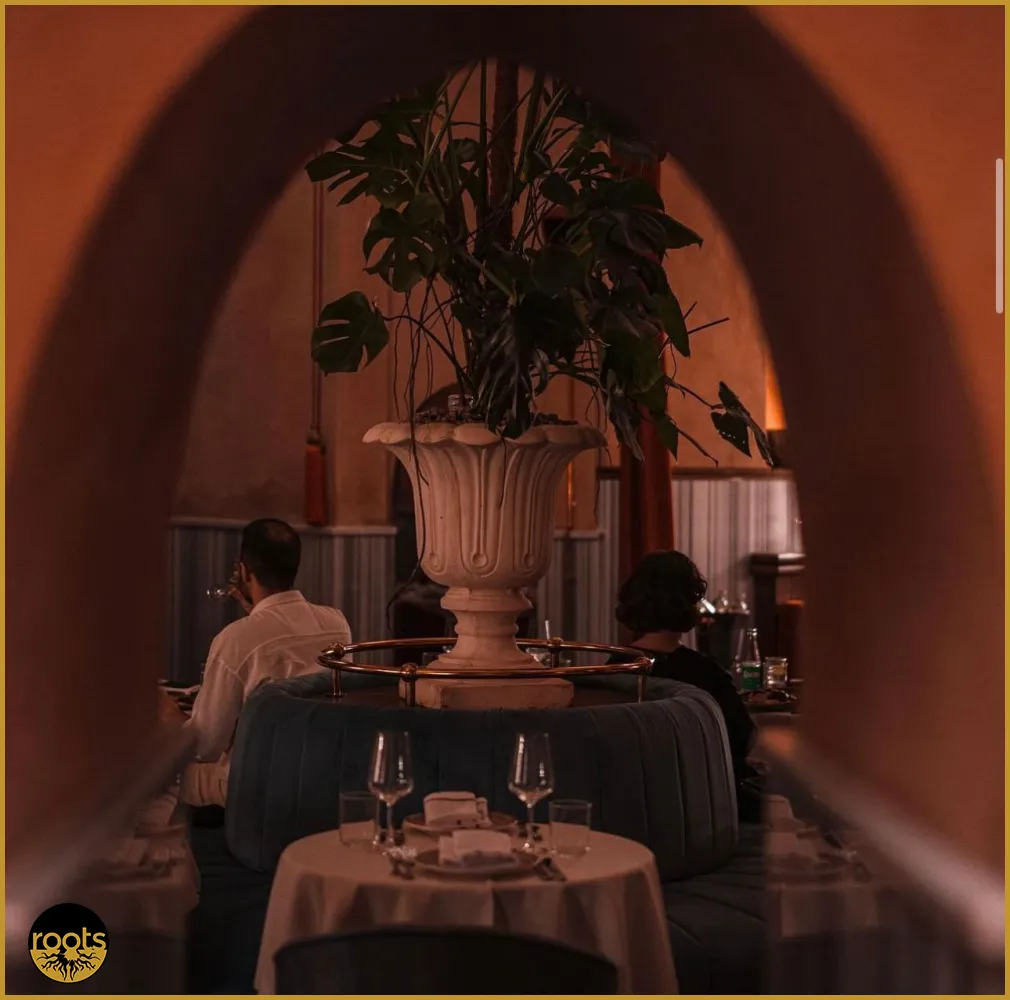
What Is Restaurant Interior Architecture Design?
Restaurant interior architecture design is a planning and implementation process that encompasses all elements of a dining venue, reflecting not only its aesthetic appearance but also its customer experience, operational efficiency and brand identity at the highest level. This process covers a wide range, from the color palette that determines the atmosphere of the venue to lighting solutions, from seating arrangements to material selection.
What Does Restaurant Interior Architecture Design Do?
Effective restaurant interior architecture design serves many critical functions:
- Enriches the Customer Experience: A comfortable and inviting atmosphere allows guests to spend more time in the venue, increases their satisfaction and raises the likelihood of repeat visits.
- Strengthens Brand Identity: The design should be in harmony with the restaurant's concept (for example; luxury, rustic, modern, ethnic) and should visually tell the brand's story.
- Increases Operational Efficiency: Smart planning of the kitchen, service area and seating arrangement facilitates staff movement, increases service speed and prevents unnecessary clutter.
- Maximizes the Potential of the Venue: Making the best use of the space increases seating capacity and therefore revenue potential.
- Creates a Psychological Effect: Colors, light and textures directly affect customers' mood, appetite and overall feelings in the venue.
Who Is Restaurant Interior Architecture Design Suitable For?
Restaurant interior architecture design appeals to a wide audience, from those establishing a new business to those who want to renovate their existing venues:
- New Restaurant Investors: Those creating a venue from scratch and wanting to offer the right concept, functionality and aesthetics together.
- Existing Restaurant Operators: Those who want to update the atmosphere of their venues, increase customer satisfaction, solve operational problems or adapt to changing trends.
- Cafe, Bistro, Bar and Other Gastronomy Operators: Dining venues other than restaurants also need a unique identity and a comfortable atmosphere.
- Architecture and Interior Architecture Offices: Professionals who want to offer their clients a service specialized in restaurant design.
Which Needs Does It Meet?
Restaurant interior architecture design meets many aesthetic and functional needs of a business:
- Aesthetic Needs: The venue being visually attractive, memorable and in harmony with the brand's identity.
- Functional Needs: Organizing customer flow, enabling service staff to work efficiently, optimizing kitchen and service areas.
- Customer Comfort: Comfortable seating areas, appropriate acoustic level, sufficient and correct lighting, clean and accessible restrooms.
- Spatial Needs: Using the space with maximum efficiency, seating arrangements that can appeal to different customer groups (individuals, couples, groups).
- Psychological Needs: Creating an atmosphere that makes guests feel comfortable, safe and happy.
When Should It Be Preferred?
Restaurant interior architecture design should be preferred in the following situations:
- When Establishing a New Business: Starting out with a correct and professional design from the beginning prevents problems that may arise later.
- When Renovating an Existing Venue: To modernize venues that have become outdated, worn or lost their functionality over time.
- When Making a Concept Change: When moving toward a different type of cuisine or target audience, making the atmosphere of the venue suitable for this.
- When Wanting to Make a Difference in Competition: In order to differentiate from competitors, attract more customers and raise brand value.
- When You Want to Reduce Customer Complaints: To eliminate customer dissatisfaction caused by reasons such as spatial inadequacies, discomfort or a poor atmosphere.
The Basic Elements of Restaurant Interior Architecture
Successful restaurant interior architecture includes the following basic elements working in harmony with each other:
- Concept and Theme: The vision that determines the overall identity of the venue, suited to the cuisine type, target audience and the brand's story.
- Layout Plan (Planning): Planning of areas such as table and chair arrangement, service routes, kitchen and bar access in the most efficient way.
- Seating Arrangement: Arrangements that appeal to different customer groups, are comfortable and optimize the capacity of the venue.
- Lighting Design: A layered approach that directly affects the ambience of the venue, including general, task and accent lighting.
- Use of Color and Texture: Color and material combinations that determine the mood of the venue and create appetite-stimulating or relaxing effects.
- Acoustic Management: Bringing noise under control to provide a comfortable conversation environment.
- Material Selection: Choices made by considering factors such as durability, aesthetics, ease of maintenance and cost.
- Decoration and Accessories: Visual elements that complete the concept of the venue and add character.
- Kitchen and Service Areas: Ergonomic and functional areas designed to ensure operational efficiency.
- Restroom Design: Clean, functional and aesthetically considered areas that reflect the overall quality of the venue.
Things to Consider in Material Selection
In restaurant designs, material selection is critically important in terms of both aesthetics and long-term cost and durability. Here is a comparison of some commonly used materials:
| Material Type | Durability | Area of Use (Indoor/Outdoor) | Cost | Notes |
|---|---|---|---|---|
| Natural Stone (Marble, Granite) | Very High | Indoor and Outdoor (with special treatments) | High | Aesthetic and prestigious appearance; may require care against scratching and staining. |
| Wood (Solid, Veneer, Composite) | Medium-High (varies by type and application method) | Mainly Indoor (special products available for outdoor use) | Medium-High | A warm and natural atmosphere; may be sensitive to moisture and fire. Requires maintenance. |
| Concrete (Polished, Decorative) | High | Indoor and Outdoor | Medium | A modern and industrial look, durable and easy to maintain. |
| Ceramic and Porcelain Tile | High | Indoor and Outdoor | Low-Medium | Wide range of patterns and colors, easy to clean, resistant to scratching and staining. |
| Metal (Stainless Steel, Iron) | High | Indoor and Outdoor | Medium-High | Used for modern, industrial or classic looks. Protection against corrosion may be required. |
| Lamina / Laminate | Medium | Indoor | Low-Medium | Cost-effective, wide range of pattern options, moderately resistant to scratching and impacts. Must be protected from moisture. |
| Acrylic / Composite Panels | Medium-High | Indoor and Outdoor | Medium | Hygienic, stain-resistant, modern look; its bendable structure allows for creative designs. |
Frequently Asked Questions
In What Ways Does It Differ from Its Alternatives?
Unlike standard or careless designs, professional restaurant interior architecture designs stand out in the following ways:
- Comprehensiveness: It does not focus only on visual beauty; it also addresses all elements such as operational efficiency, customer psychology, brand alignment and long-term sustainability with a holistic approach.
- Custom Solutions: Every business has its own unique concept, target audience and budget. Professional design offers from-scratch solutions for these specific needs.
- Technical Knowledge and Experience: Technical knowledge and industry experience in subjects such as lighting, acoustics, materials science and ergonomics ensure that the space works in the best way possible both aesthetically and functionally.
- Risk Reduction: By avoiding mistakes such as wrong material selection and inadequate planning, the aim is to protect the investment and optimize operating costs.
- Creating Brand Value: By offering not just a dining area but also a brand experience, it increases customer loyalty and positive feedback.
Things to Consider Before Purchasing
Before deciding to receive an interior architecture design service or to invest in this area, it is important to pay attention to the following points:
- Portfolio Review: Examine in detail the previous restaurant and food-and-beverage venue projects of the designer or firm. Do their styles and achievements align with your expectations?
- Reference Check: If possible, obtain references from their previous clients and learn about the success of the projects, process management and results.
- Communication and Understanding: In the first meetings with the designer, how well you can express yourself and how well they understand your vision are important. Good communication is fundamental to the success of the project.
- Proposal and Contract Details: Request a detailed proposal and contract that clearly shows what the service you will receive covers (concept development, architectural drawings, material lists, implementation follow-up, etc.) and how the costs are calculated.
- Budget Planning: In addition to the cost of the design service, make comprehensive budget planning that also includes the construction, furniture, lighting and decoration expenses to be implemented.
- Timeline: Learn which stages the project will go through and the estimated duration for each stage. This is important for your own operational planning.
- Legal Permits and Licenses: Obtain clear information on who will carry out the permits and licensing processes that architectural projects must obtain from the relevant municipalities.
Final Evaluation
Restaurant interior architecture is a strategic investment that plays an important role in the success of a business. A well-designed venue not only offers a visual feast, but also increases customer satisfaction, raises brand value and optimizes operational efficiency. Therefore, before starting a restaurant design project, conducting comprehensive research, clarifying your needs and working with a reliable professional will lay the foundation for your future success.











































































