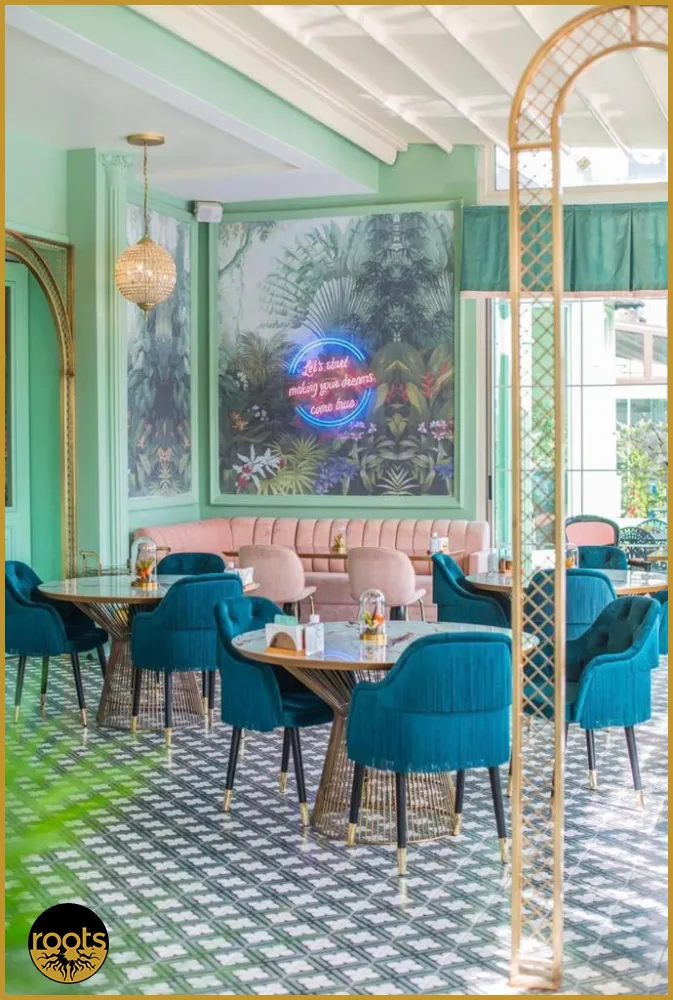
Cafe Interior Design: Touches That Bring Your Venue to Life
One of the cornerstones of success in cafe management is the unique experience you offer your guests. One of the most important elements of this experience is undoubtedly the venue's interior design and overall cafe design. The right interior architecture approach not only offers an aesthetic appearance, but also increases customer satisfaction, strengthens your brand identity and directly affects your business's profitability. This guide has been prepared to help you find answers to all your questions about cafe design and to support your decision-making process.
What Is Cafe Interior Design and Why Is It Important?
Cafe interior design is the planning and decoration of the interior space of a coffee shop or cafe in an aesthetic, functional and user-friendly way. This process covers furniture selection, color palette, lighting, floor coverings, wall decorations and general arrangement that determine the atmosphere of the venue. An effective cafe design; by creating the ambiance of the venue, it ensures that visitors relax, socialize and have a pleasant time. At the same time, it creates an environment that reflects your business's identity, appeals to your target audience and provides a competitive advantage.
Who Is Cafe Design Suitable For?
- Entrepreneurs planning to open a new cafe.
- Business owners who want to renew the atmosphere of their existing cafe and make it more attractive.
- Cafe owners who want to strengthen their brand identity and customer experience.
- Professionals who want to create businesses with different concepts (for example, boutique cafe design, modern cafe design, luxury cafe design).
- All types of businesses aiming to offer their users a unique and unforgettable experience.
Which Needs Does It Meet?
A comprehensive cafe interior design study meets the following needs:
- Space Efficiency: The most efficient use of the kitchen, service area and seating arrangement.
- Customer Comfort: Offering comfortable seating groups, appropriate table heights and a spacious atmosphere.
- Creating Brand Identity: Adopting a unique design language that reflects your business's values and target audience.
- Creating Atmosphere: Offering a pleasant, relaxing or energetic environment that suits customers' expectations.
- Functionality and Durability: Choosing materials suitable for intensive use, easy to clean and long-lasting.
- Hygiene and Safety: Providing easily cleanable surfaces and a safe working area.
In Which Situations Should It Be Preferred?
Cafe interior design and a special cafe design should especially be preferred in the following situations:
- Opening a New Venue: To determine the right vision from the very beginning when establishing a cafe from scratch.
- Renovating an Existing Venue: To modernize venues that are outdated, worn out or no longer appeal to the target audience.
- Concept Change: When you change your business's concept (for example, a bookstore cafe or an art gallery cafe) or add a new concept.
- Gaining Competitive Advantage: To stand out in a highly competitive environment and differentiate yourself from your competitors.
- Improving Customer Experience: To ensure that your customers spend more time in the venue, return and provide positive feedback.
In What Ways Does It Differ from Its Alternatives?
Although there are different cafe design approaches on the market, a professional interior design service stands out in the following ways:
- Custom Solutions: Rather than ready-made templates, it is designed specifically for your business's needs and vision.
- Experience and Expertise: Interior architects have expertise in how to use spaces in the best way both aesthetically and functionally.
- Material and Technical Knowledge: They have knowledge and experience in choosing the most correct materials in terms of durability, cost and aesthetic harmony.
- Time and Cost Efficiency: With an expert touch, time and potential cost losses are prevented by avoiding incorrect choices.
- Covering the Entire Process: It handles the entire process from concept to implementation, down to the details, with a holistic approach.
Materials Used in Cafe Design and Their Features
The choice of materials used in cafe design directly affects the general ambiance, durability and maintenance of the venue. The following table compares some commonly used material types:
| Material Type | Durability | Interior/Exterior Architectural Use | Average Cost | Advantages | Disadvantages |
|---|---|---|---|---|---|
| Wood (Natural/Processed) | Medium - High | Mainly Interior (some types exterior) | Medium - High | A natural and warm appearance, easy to process, adapts to various styles. | May be sensitive to moisture and scratches, may require regular maintenance. |
| Metal (Iron, Steel, Aluminum) | High | Interior and Exterior | Medium - High | Ideal for modern, industrial and minimalist designs, very durable. | May be heavy, may feel cold, may require precautions against rust. |
| Concrete and Microcement | Very High | Interior and Exterior | Medium | Suitable for modern, industrial and minimalist style, easy to clean, durable. | It is a hard surface, may feel cold, may stain (requires protection). |
| Natural Stone (Marble, Granite, etc.) | Very High | Interior and Exterior | High | Offers a luxurious and prestigious appearance, extremely durable. | Heavy and expensive, its porous structure may cause staining. |
| Ceramic and Porcelain Tile | High | Interior and Exterior | Low - Medium | Wide range of patterns and colors, resistant to water and stains, easy to clean. | May be fragile, grout lines may require cleaning. |
| Glass | Medium - High (tempered glass) | Interior and Exterior | Medium | Makes the space feel airy, reflects light, provides a modern look. | May be fragile, may leave fingerprints, may require special cleaning. |
Things to Consider Before Purchasing
Before starting an interior design cafe project or making changes to your existing space, paying attention to the following points will ensure your project succeeds:
- Determining a Budget: Set a clear budget and look for the best solutions within this budget.
- Target Audience Analysis: Understand well whom you serve or want to serve. The design should match the expectations of your target audience.
- Space Dimensions and Potential: Consider the physical characteristics of the space, its daylight intake and flow.
- Determining a Concept: Clarify the overall concept of the space (for example, minimalist, industrial, vintage, bohemian, etc.).
- Functionality Requirements: Prioritize the functionality of the kitchen area, service flow, restrooms and seating arrangement.
- Lighting Plan: Proper lighting greatly affects the atmosphere of the space. Plan both general and accent lighting.
- Material Selection: Consider durability, ease of maintenance and cost as well as aesthetics.
- Getting Professional Support: Working with an interior architect or designer will make the process more efficient and successful.
Frequently Asked Questions (FAQ)
In summary,
A successful cafe interior design does not only create a space that looks beautiful; it is also a strategic investment that directly affects functionality, customer experience and business success. Adopting a professional approach to maximize the potential of your space and meet the expectations of your target audience will be the right decision in the long term.











































































