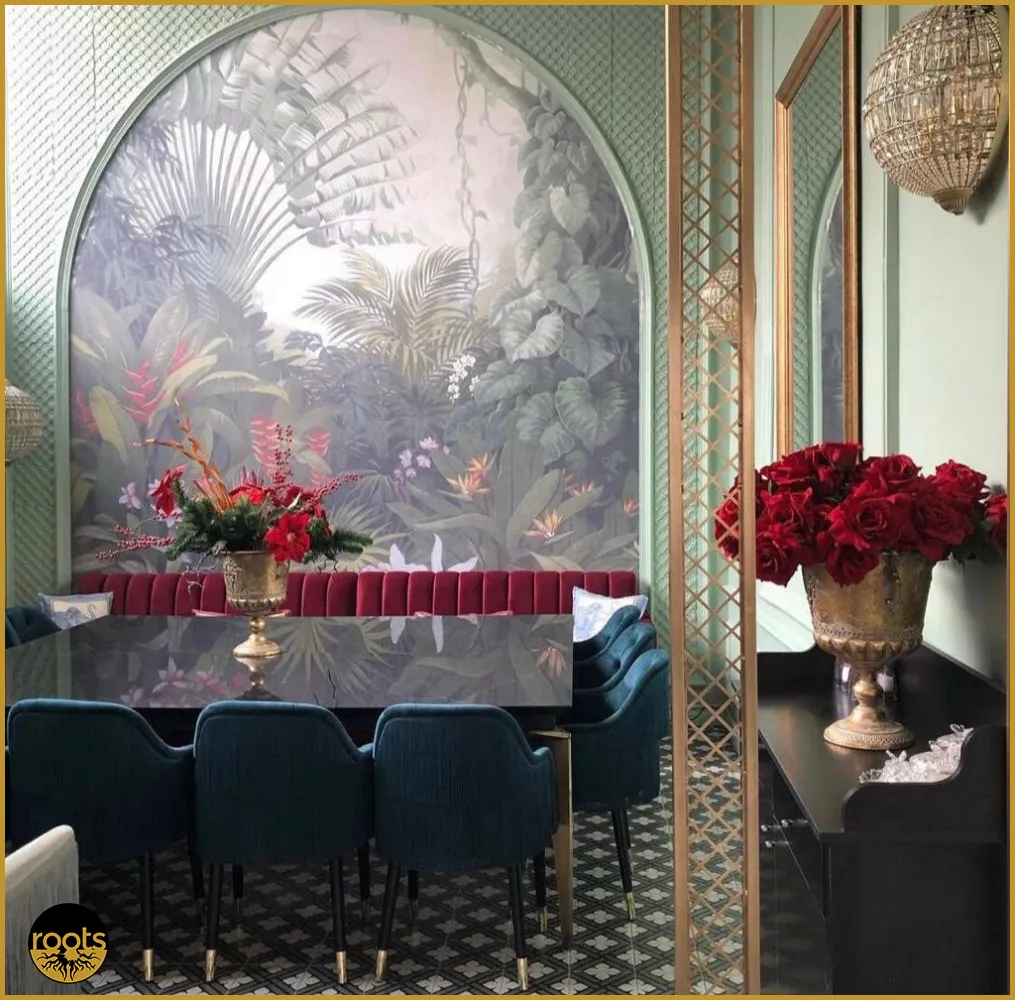
INTERIOR DESIGN CAFE DESIGNS - CAFE DESIGN: Ways to Attract Your Customers
Cafe interior design is not merely an aesthetic concern but a critical element that directly affects the functionality, atmosphere and brand identity of the space. A successful cafe design both offers your customers an unforgettable experience and contributes significantly to the commercial success of your business.
Why Is Cafe Interior Design So Important?
A cafe is more than a place where coffee or food is served; it is a living space where people socialize, work, relax and socialize. Interior design forms the foundation of this experience:
- Customer Experience: A comfortable and inviting atmosphere encourages customers to stay longer and come back.
- Brand Identity: The design should reflect your brand's values, story and target audience.
- Functionality: It is important for staff to work comfortably, for customer flow to be orderly and for hygiene standards to be maintained.
- Competitive Advantage: An original and eye-catching design enables you to stand out in the crowded cafe market.
- Social Media Impact: Aesthetically pleasing spaces serve as natural advertising by encouraging customers to share.
What Should Be Considered in Cafe Design?
A comprehensive cafe design process requires the evaluation of many factors together:
1. Determining the Concept and Theme
This is the first step that determines the overall atmosphere of the space. Who is your target audience? What type of cafe are you opening (for example, modern, vintage, rustic, minimalist)? The answers to these questions will affect everything from the color palette to be used to the furniture selection.
2. Space Planning and Flow
It is essential that customer and staff flow be seamless. The layout of seating, the bar area, and the location of the kitchen and restrooms should optimize the use of the space. Making the best use of the physical characteristics of the space is the key to efficient operation.
3. Lighting
Lighting directly affects the atmosphere of the space. The use of natural light, soft artificial lighting that creates a warm and inviting ambiance (for example, pendants, wall sconces) and task lighting (such as the bar area) should be used in a balanced way.
4. Color Palette and Material Selection
Colors affect emotions. While warm colors give intimacy and energy, cool colors can evoke a calmer and more modern feel. Material selection is important in terms of durability, aesthetics and ease of maintenance.
5. Furniture and Seating Layout
Furniture that is both comfortable and suitable for the space should be selected. Offering different seating options (bar stools, armchairs, tables) can meet various customer needs.
6. Decoration and Accessories
Wall decorations, plants, paintings and other decorative elements complete the character and story of the space. However, not going overboard is important for a spacious and balanced look.
7. Acoustics
The sound level within the space is an important factor affecting the customer experience. Disturbing noise can be prevented with appropriate material selection and sound insulation.
Types of Materials Used in Cafe Design
Different materials bring different characteristics to cafe design. Here are some common material types and their features:
| Material Type | Durability | Interior/Exterior Architectural Use | Cost (Overall Assessment) | Aesthetic Features |
|---|---|---|---|---|
| Wood (Solid, Veneer, MDF) | Medium-High (Depending on type and processing) | Interior (Special treatments required for exterior) | Medium-High | Warm, natural, rustic, modern |
| Metal (Stainless Steel, Iron, Aluminum) | High | Interior and Exterior | Medium-High | Industrial, modern, minimalist, stylish |
| Natural Stone (Marble, Granite, etc.) | High | Interior and Exterior | High | Luxurious, sophisticated, timeless, natural |
| Concrete (Polyurethane, Decorative) | High | Interior and Exterior | Medium | Industrial, modern, minimalist, raw |
| Ceramic and Tile | High | Interior and Exterior (Suitable type) | Medium | Various pattern, color and texture options, clean and modern |
| Glass (Tempered, Laminated) | Medium-High (Depending on quality) | Interior and Exterior (Suitable type) | Medium-High | Lightness, transparency, modern, sense of spaciousness |
| Fabric and Leather (Upholstery) | Medium (Depending on use and type) | Interior | Medium-High | Comfort, warmth, variety of colors and textures |
Who Is It Suitable For?
Professional cafe design services are ideal for the following groups:
- Entrepreneurs planning to open a new cafe.
- Business owners who want to enhance the atmosphere and customer satisfaction of their existing cafe.
- Cafe owners who want to reflect their brand identity more strongly.
- Those who want to make their spaces more functional and aesthetic.
What Needs Does It Meet?
Effective cafe design meets the following needs:
- Customer Attraction and Retention: An inviting space attracts more customers and increases the loyalty of existing customers.
- Operational Efficiency: A well-planned space allows your staff to work more comfortably and efficiently.
- Brand Awareness and Image: A unique design makes your brand memorable.
- Customer Comfort and Satisfaction: Comfortable seating areas, appropriate lighting and a pleasant atmosphere increase overall satisfaction.
- Social Media Sharing Potential: Aesthetic spaces encourage customers to advertise your business automatically.
How Does It Differ from Alternatives?
Unlike do-it-yourself projects or amateur designs, professional cafe designs offer the following advantages:
- Expertise and Experience: Designers have in-depth knowledge of the functionality and aesthetics of a space, current trends and user psychology.
- Optimum Space Utilization: Thanks to the ability to use space most efficiently, effective solutions are produced even in narrow or complex spaces.
- Brand Integration: The design captures the essence of your brand, creating a consistent corporate identity.
- Cost and Time Efficiency: The initial investment prevents costs and time loss caused by wrong choices in the long run.
- Compliance with Trends: By following current design trends, both modern and timeless spaces are created.
Frequently Asked Questions
What should I pay attention to before starting a cafe design?
First of all, it is important to clarify your target audience, cafe concept and budget. The current condition of the space, square meter measurements and any special requests you may have should also be shared with a professional designer.
Is interior design only about decoration?
No, interior design covers the overall planning of the space, its functionality, lighting, material selection, furniture layout and aesthetic elements. Decoration is a part of this whole.
Which design suggestions apply to a small cafe?
In small spaces, light colors, the use of mirrors, smart storage solutions, multi-functional furniture and a spacious arrangement should be prioritized. By using vertical space, storage and display opportunities can be increased.
How can I emphasize brand identity in the space?
You can skillfully use your brand's colors, logo, story and values throughout the design. For example, it is possible to bring brand identity to the forefront by using tones on the walls that match your brand colors, specially designed seating areas or menu boards.
Should I prefer any particular type of material?
Material selection depends entirely on your cafe concept, target audience, budget and the intended use of the space. For example, while concrete and metal stand out for an industrial cafe, natural wood and warm tones may be preferred for a boutique and intimate space. Durability and ease of maintenance are also important factors.
What Should Be Considered Before Purchasing?
When you decide to work with a professional on a cafe design process or while doing your own design, it is important to pay attention to the following points:
- Set a Clear Budget: Prepare a detailed budget that includes design, implementation, furniture, lighting and decoration items.
- Establish Open Communication with the Designer: Clearly express your requests, expectations and concerns. Try to understand the designer's vision.
- Review References: If you are working with a designer, review their previous projects to get an idea of their style and quality of work.
- Analyze the Space in Detail: Be informed about the current condition, potential and limitations of the space.
- Think Long Term: Ensure that the design takes into account not only today but also possible future changes.
- Do Not Put Functionality Ahead of Aesthetics: It is important for a cafe not only to look beautiful but also to be comfortable and functional.
A successful cafe interior design is more than just an aesthetic element; it is a strategic investment that reflects the spirit of your business, satisfies your customers and brings success in the long term. With the right planning, material selection and implementation, your space can turn into a meeting point where unforgettable memories are made.











































































