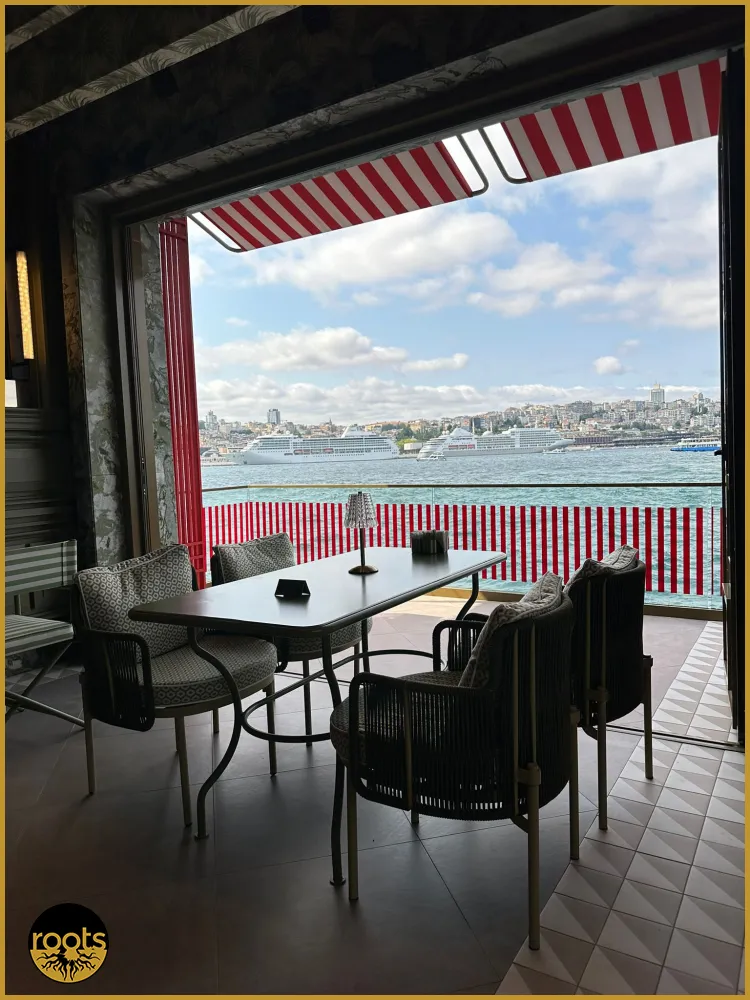
Restaurant Design and Styling: Add Value to Your Venue
Turn your dream restaurant into reality with Roots Design.
What Is Restaurant Design and Styling?
Restaurant design and styling is the process of planning and implementing a dining venue from both an aesthetic and a functional perspective. This process aims to create an unforgettable experience for customers, increase operational efficiency and reflect the brand's identity. From the atmosphere of the venue to furniture selection, from lighting to the color palette, every detail is an inseparable part of the overall experience you offer your guests.
A professional restaurant design does not only create a visually pleasing appearance; it also optimizes customer flow, facilitates the movement area of service staff and ensures harmony between the kitchen and service areas. As Roots Design, we offer tailor-made solutions by taking these critical elements into consideration.
Why Is Restaurant Design Important?
In the success of a restaurant, its atmosphere plays a major role alongside the delicious food it serves. A well-designed venue makes your customers feel special and comfortable, which increases the likelihood of them visiting again.
- Improves the Customer Experience: Comfortable seating areas, appropriate lighting and a pleasant ambiance encourage customers to spend more time in the venue.
- Strengthens Brand Identity: The design should reflect your restaurant's concept, values and the spirit of the cuisine it offers. This is critical in building brand loyalty.
- Increases Operational Efficiency: A cleverly planned layout enables your staff to serve faster and more effectively, facilitating coordination between the kitchen and service areas.
- Makes a Difference in Competition: In today's competitive dining sector, having a unique and attractive design is a great advantage for standing out.
Who Is It Suitable For?
Our restaurant design and styling services are suitable for dining businesses of every scale and concept:
- Restaurants about to open
- Operators who want to renovate their existing restaurant
- Venues planning a concept change
- Branch designs for chain restaurants
- Cafes, bars and bistros
- Fine-dining restaurants
- Quick service restaurants (QSR)
Which Needs Does It Meet?
Professional restaurant design offers solutions aimed at meeting the following core needs:
- Spatial Planning: The most efficient use of areas such as seating layout, service areas and kitchen placement.
- Aesthetics and Atmosphere: Creating the desired atmosphere with colors, materials, furniture and decorative elements suited to the venue's concept.
- Functionality: Creating a layout that facilitates customer and staff movement and minimizes operational disruptions.
- Lighting Design: The strategic use of both general lighting and accent lighting that determines the ambiance of the venue.
- Acoustic Solutions: Arrangements that control sound reverberation and noise to increase customer comfort.
- Ergonomics: Furniture and space designs that prioritize the comfort of both customers and staff.
When Should It Be Preferred?
Restaurant design and styling can be of critical importance in certain situations:
- When Opening a New Venue: To create a striking and functional venue from scratch that suits your concept.
- In Existing Venue Renovations: To increase competitiveness by updating a venue that has aged, become outdated or lost its functionality.
- When You Want to Strengthen Your Brand Image: To create an atmosphere that reflects your restaurant's identity and prestige and appeals to your target audience.
- When You Experience Operational Problems: In situations where staff circulation is difficult, customer flow is disrupted or the venue is used inefficiently.
- When Making a Concept Change: When you decide to change your venue's concept, a design suited to the new concept will provide a rebirth.
In What Ways Does It Differ from Alternatives?
Roots Design does not only focus on aesthetics in the field of restaurant design; it also brings together elements such as functionality, brand integration and sustainability. Unlike traditional approaches, we aim to transform your spaces beyond being works of art into successful business models.
- Comprehensive Analysis: Your venue's concept, target audience, budget and operational needs are analyzed in detail.
- Creative and Original Solutions: Innovative and memorable designs specific to each project are developed.
- Focus on Functionality: In addition to aesthetics, the most suitable arrangements are made for staff efficiency and customer comfort.
- Technological Integration: The flexibility to integrate modern technology solutions into the design when necessary.
- Customer Orientation: All design decisions are ultimately made to increase customer satisfaction and brand loyalty.
Material Options and Comparison
The materials used in restaurant design directly affect the overall appearance, durability and maintenance requirements of the venue. Here is a comparison of some commonly used material types:
| Material Type | Durability | Interior/Exterior Architectural Use | Cost (Relative) | Prominent Features |
|---|---|---|---|---|
| Natural Wood | Medium (Requires protection) | Interior (Special treatments required for exterior) | Medium - High | Gives a warm, natural and rustic feel. Offers various processing possibilities. |
| Marble/Granite | High | Interior and Exterior | High | It is a luxurious, elegant and durable material. Models resistant to staining and scratching are available. |
| Concrete (Decorative) | High | Interior and Exterior | Medium | Provides a modern, industrial and minimalist look. Application techniques are varied. |
| Metal (Stainless Steel, Iron, etc.) | High | Interior and Exterior | Medium - High | Can be used in industrial, modern or classic styles. It is durable and can be produced in various forms. |
| Ceramic/Porcelain Tile | High | Interior and Exterior (If the appropriate type is selected) | Low - Medium | Easy to clean, stain-resistant and offers a wide range of patterns/colors. Frequently used on floors and walls. |
| Fabric (Upholstery) | Medium (Depends on usage intensity) | Interior Only | Variable | Provides comfort and aesthetics. Special fabrics that are stain-resistant and easy to clean should be preferred. |
Material selection should be made considering your restaurant's concept, usage intensity and budget. For example, while materials with high durability are preferred in heavily used areas (floors, table surfaces), more flexible choices can be made for decorative objects.
Things to Consider Before Purchasing
Paying attention to the following points before receiving a professional restaurant design service or when starting a design project ensures that the process is more efficient and successful:
- Define a Clear Concept: Clarify what type of cuisine your restaurant will offer, your target audience, and the atmosphere you want to create.
- Create a Budget: Set a realistic budget that includes all items such as design, renovation, furniture, lighting, and decoration.
- Review References: Go over the design team's previous work, portfolios, and client reviews.
- Communication and Understanding: Observe how well the design team understands you and how much they take your requests into account.
- Detailed Planning: Request detailed projects such as spatial plans, material lists, and lighting schemes.
- Legal Permits and Regulations: Get information on compliance with the zoning and building regulations in your area.
- Implementation Process: Clarify who will be responsible during the process of bringing the design to life, the timeline, and possible setbacks.











































































